Planting
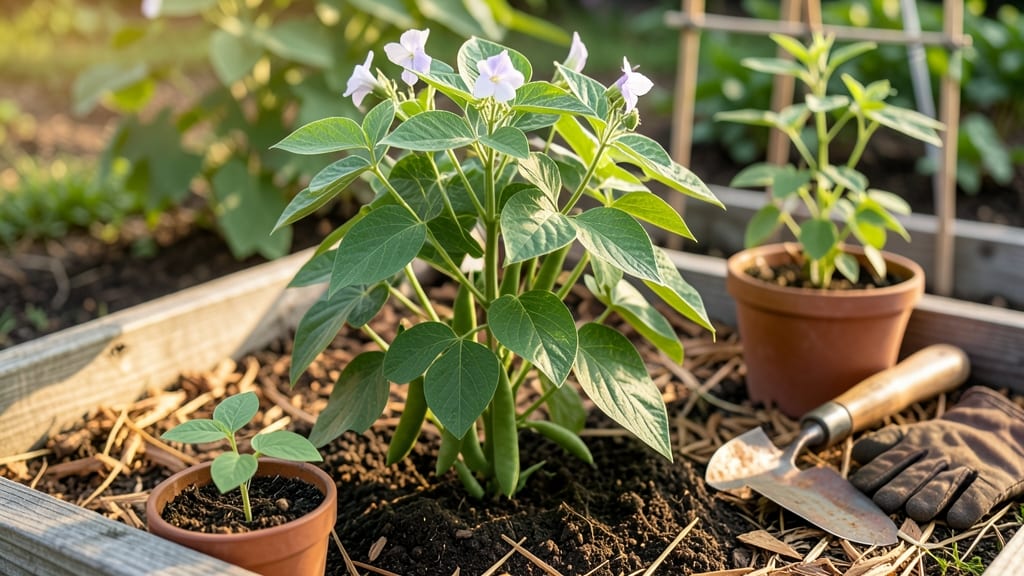
Planting green beans in your garden is easier than you think—just follow the right spacing, soil prep, and timing to turn a handful of seeds into a bushel of fresh, crisp pods.
Green beans are one of the easiest and most rewarding vegetables to grow—yet even experienced gardeners struggle with spacing, soil prep, and timing mistakes that lead to stunted plants or poor yields.
Whether you're a first-timer or a seasoned grower, getting these basics right means the difference between a meager harvest and a garden overflowing with homegrown goodness.
In this guide, I’ll walk you through everything you need to know: from testing your soil and spacing seeds just right to timing your planting for maximum yield in zones like 6a.
You’ll also learn how to avoid common pitfalls like overcrowding or watering too much, which can turn your beans into woody messes instead of tender, snackable pods.
By the end, you’ll have a step-by-step plan to plant your 🌱 green beans so they grow fast, stay healthy, and produce enough for fresh eating, freezing, or sharing with neighbors. Let’s get started!

Perfect green bean planting guide: soil, spacing & depth secrets for maximum yield
Green beans thrive when planted in the right conditions, and getting the soil, spacing, and depth right is the foundation for a bountiful harvest. I’ve learned the hard way that even small mistakes—like planting too deep or crowding seeds—can lead to stunted growth or poor pod production.
Let’s break down the science behind perfect planting to ensure your beans grow strong and productive.
First, focus on soil quality. Green beans prefer well-draining soil with a pH between 6.0 and 7.0. If your soil is heavy clay or sandy, amend it with compost or aged manure to improve fertility and structure.
I always test my soil before planting—it’s a game-changer for avoiding nutrient deficiencies that cause yellow leaves or weak vines.
Next, let’s talk planting depth. Seeds should be sown 1 to 2 inches deep, no deeper or they won’t sprout. Use your finger to create small furrows, drop the seeds in, and cover them lightly with soil.
A gentle pat with the back of a trowel ensures good seed-to-soil contact without compacting the earth too much.
Spacing is another critical factor. For bush beans, space seeds 4 to 6 inches apart in rows that are 18 to 24 inches apart. If you’re growing pole beans, you’ll need taller supports (like trellises or stakes) and can space seeds 3 to 4 inches apart in rows 24 to 30 inches apart. Overcrowding leads to competition for nutrients and increases disease risk.
Here’s a quick reference to get you started:
Don’t overlook companion planting—it’s a game-changer for pest control and growth. I always plant green beans near corn or cucumbers, as these plants create a natural barrier against pests like Mexican bean beetles.
Avoid planting them near onions or garlic, though, as these can stunt bean growth. If you’re short on space, try interplanting beans with radishes or lettuce, which mature quickly and free up room.
After planting, keep the soil consistently moist but not waterlogged. I water mine in the morning to reduce evaporation and fungal risks. Mulching with straw or grass clippings helps retain moisture and suppresses weeds, which is a huge time-saver for me.
Within 7 to 14 days, you should see tiny sprouts emerging—this is when the real magic begins!
One of my biggest lessons? Don’t rush planting. Wait until the soil temperature reaches at least 60°F—cold soil can delay germination or cause seed rot.
If you’re in a cooler climate, opt for cold-hardy varieties like ‘Blue Lake’ or ‘Kentucky Wonder,’ which tolerate slightly cooler conditions better than others.
Finally, mark your rows with bamboo stakes or labels to avoid disturbing the soil later. As your beans grow, watch for pests like aphids or spider mites—a strong spray of water or neem oil usually does the trick.
With the right setup, you’ll be harvesting crisp, tender pods in just 50 to 60 days!
🌱
When to plant green beans: best timing for your climate zone & variety
Timing your green bean planting is everything—get it wrong, and you'll end up with leggy, weak plants or stunted yields. Since green beans are cool-season crops, they thrive when soil temperatures hover between 60-75°F (15-24°C).
But here's the catch: warm-season varieties (like Blue Lake) can handle heat better than bush beans (like Contender), which bolt faster in hot weather. Let's break down the perfect planting windows for your zone.
First, check your last frost date—this is your golden rule. For most gardeners, that means planting 2-3 weeks after frost has passed.
In USDA Zones 3-5, aim for late April to early May, while Zones 6-8 can start as early as mid-March in protected beds. Zone 9+ gardeners? You can even plant in fall (September-October) for a second harvest before winter.
- 🌡️ Soil Temp Check: Use a soil thermometer—plant when soil reaches 60°F (15°C). Cold soil = slow germination.
- ❄️ Frost Rules: Cool-season beans (e.g., Kentucky Wonder) tolerate light frost (28-32°F/-2 to 0°C). Warm-season beans (e.g., Blue Lake) cannot handle frost.
- 📅 Succession Planting: Sow every 2 weeks until 6-8 weeks before first frost to extend harvests. Example: March 15, April 1, April 15 in Zone 5.
- ☀️ Heat Tolerance: Bush beans (e.g., Blue Lake) handle 85°F (30°C) better than pole beans (e.g., Rattlesnake).
- 🌱 Fall Planting: In Zones 7-10, plant late summer (August-September) for a fall harvest before frost.
If you're in a short-season zone (3-5), opt for bush beans—they mature faster (50-60 days) than pole beans (60-70 days). For longer growing seasons (6-10), pole beans are worth the extra time—they produce 3x more pods per plant and keep yielding until frost.
Pro tip: Stagger plantings every 2 weeks to avoid a glut of beans all at once.
One of the biggest mistakes I see? Planting too early when the soil is still cold. Green bean seeds won't germinate below 50°F (10°C), and even if they do, the seedlings will be weak and prone to disease.
Always wait until the soil is consistently warm—stick your finger in 2 inches deep. If it feels cool, wait a few more days. Another pitfall? Overcrowding seedlings by thinning too late. Thin to 4-6 inches apart when plants are 2-3 inches tall to avoid competition.
For container gardeners, start seeds indoors 4-6 weeks before your last frost date and transplant when soil is warm. Use 5-gallon pots for pole beans (they need support) and 3-gallon pots for bush beans. Place containers in full sun and keep soil moist—containers dry out faster than in-ground beds.
If you're in a hot, dry climate (Zone 9-10), use shade cloth (30%) during peak afternoon sun to prevent bolting.
Finally, don’t forget about succession planting—this is how I double my harvest! After your first planting, sow a second batch 2-3 weeks later (or even a third in warm zones).
For pole beans, you can even interplant with early crops like lettuce or radishes, which finish before the beans need full space. The key is to space plantings evenly so you’re harvesting fresh beans every 2-3 weeks all season long. 🌱