
Tools
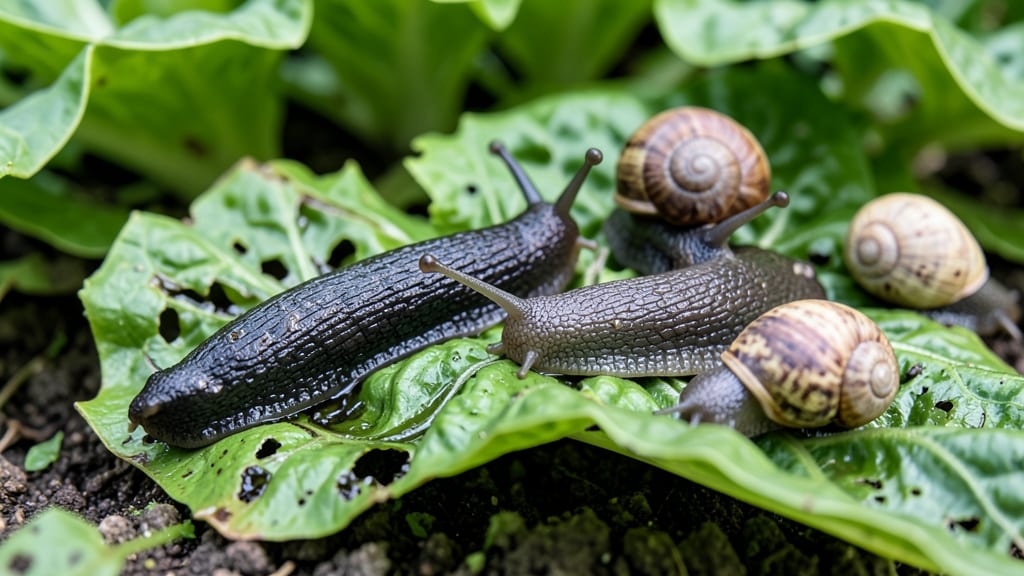
Ridding your garden of slugs and snails doesn’t have to mean reaching for harsh chemicals—especially when copper barriers offer a simple, long-term solution that actually works.
Waking up to chewed leaves and disappearing seedlings is every gardener’s nightmare. These slimy pests can turn your thriving plants into a midnight snack, but copper tape or strips create an invisible electric barrier they can’t cross. The best part? It’s safe for pets, kids, and your veggies.
Here’s the game-changer: copper doesn’t just repel slugs—it stops them in their tracks. Whether you’re protecting tender seedlings or prized hostas, this method cuts down on damage without the mess of traps or the guilt of pesticides. I’ll walk you through exactly how to install it for maximum effectiveness.
From choosing the right thickness to placing it just right, you’ll learn the simple tricks that make copper barriers your new go-to defense. Plus, I’ll share backup strategies for when you need extra protection—because even the best barriers can’t catch everything.
How copper barriers work against slugs and snails (science-backed explanation)
Slugs and snails leave behind a trail of destruction in gardens, but copper barriers offer a non-toxic, chemical-free solution that disrupts their slimy paths.
The secret lies in electrical conductivity—when these pests crawl over copper, they complete a circuit, delivering a mild but unpleasant static shock that sends them scurrying away.
This electrical deterrent works because slugs and snails have sensitive nervous systems that react to even tiny electrical currents. Unlike pesticides, copper doesn’t harm the environment or beneficial insects, making it a sustainable choice for organic gardeners.
The barrier acts as a physical and electrical fence, creating an invisible line that pests avoid.
Copper’s effectiveness depends on proper installation—it must be clean, dry, and properly grounded to work at its best. A 1-inch wide strip is typically sufficient, but thicker or longer barriers may be needed for large garden beds or high-risk areas. The metal must also be buried slightly into the soil to prevent slugs from tunneling underneath.
Here’s how copper compares to other slug deterrents in terms of ease of use, durability, and effectiveness—plus key considerations for DIY vs. pre-made options:
The thickness of copper matters—thinner strips (0.1mm) may not deliver enough shock, while thicker sheets (1mm+) provide better conductivity and longevity.
For container gardens, a 1-inch wide strip wrapped around the pot’s base works wonders, while raised beds may need a continuous loop with overlapping joints to block tunneling.
One common mistake is placing copper directly on the soil, which can corrode it over time. Instead, bury the bottom 1/4 inch into the ground and leave the top exposed for slugs to crawl over.
For high-moisture areas, ensure the copper stays dry—rust reduces its effectiveness. A light sanding before installation also boosts conductivity.
Copper barriers shine in vegetable gardens and ornamental beds where chemical solutions are unwanted. They’re especially useful for protecting young seedlings, hostas, and caladiums, which slugs adore.
While not 100% foolproof, when combined with other organic methods like diatomaceous earth or beer traps, copper creates a multi-layered defense that keeps your garden safe.
For maximum impact, pair copper with physical barriers like crushed eggshells or sharp gravel around plant bases. This dual approach confuses slugs and snails, making them less likely to cross your garden’s boundaries.
With the right setup, copper can reduce slug damage by up to 90%—proving it’s one of the most reliable organic solutions available.
🌱
Step-by-step guide: installing a copper barrier for maximum slug protection
Slugs and snails may seem harmless, but they can devastate your garden overnight. A copper barrier is one of the most effective organic solutions to keep these pests at bay.
The key lies in proper installation—placing it correctly ensures slugs get a mild electric shock when they cross, deterring them from entering your garden beds or pots.
Before you begin, gather your materials: copper tape or sheets (at least 1/16-inch thick), a measuring tape, scissors or a hacksaw, and a non-conductive adhesive like plastic tape or glue if needed.
The barrier should be continuous with no gaps, so plan your layout carefully around garden edges, raised beds, or individual pots.
Step-by-Step Installation Guide
-
Step 1: Clear the Area
Remove all debris, weeds, and mulch from the garden edge or pot perimeter. Slugs hide in dark, damp spots, so a clean surface ensures no pests are already present. -
Step 2: Measure and Cut
Measure the perimeter of your garden bed or pot circle. Cut the copper tape or sheet to fit, leaving a 2-inch overlap at corners for seamless connections. -
Step 3: Position Above Soil
Secure the copper 1 to 2 inches above soil level. Slugs won’t cross if the barrier isn’t touching the ground—this prevents them from bridging gaps with their bodies. -
Step 4: Seal Gaps
Overlap edges by 1/2 inch and use non-conductive tape to seal. Even a 1/8-inch gap can let slugs slip through—double-check corners and connections. -
Step 5: Bury Edges (Optional)
For extra protection, bury the bottom 1 inch of the copper into the soil. This creates a full barrier that slugs can’t climb over or dig under. -
Step 6: Test the Barrier
Drag a slug across the copper—if it recoils, the barrier is working. If not, adjust the height or check for gaps where pests could bypass it.
Common mistakes like placing the copper directly on the soil or leaving gaps can render your barrier useless. Always ensure the barrier is clean and dry—moisture reduces its effectiveness. For container gardens, wrap the copper around the pot’s base, leaving no exposed soil for slugs to access.
Once installed, monitor your barrier regularly. Over time, copper can degrade or accumulate dirt, so wipe it down with a damp cloth every few weeks. Combine this method with other slug deterrents like diatomaceous earth or garlic spray for a multi-layered defense against these persistent pests.
With a properly installed copper barrier, you’ll finally sleep soundly knowing your garden is safe from slug and snail attacks. Happy gardening! 🌱