
Companion Plants
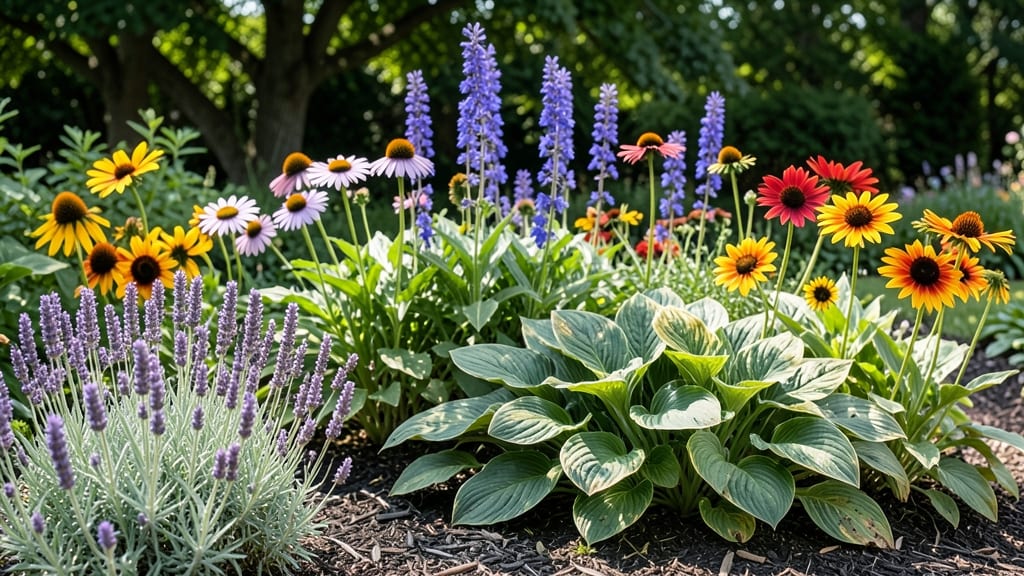
Growing popular garden plants that buzz with life all year isn’t just about pretty blooms—it’s about creating a thriving ecosystem that keeps your garden vibrant and full of color.
Want a garden that hums with bees, flutters with butterflies, and glows with hummingbirds? Pollinator-friendly plants do more than just attract wildlife—they support local ecosystems while giving you a year-round display of beauty and productivity.
From sun-loving perennials to shade-tolerant annuals, these top picks thrive in USDA Zones 3-9 and fit seamlessly into borders, containers, or wildflower meadows. Whether you’re a beginner or a seasoned gardener, these plants deliver low-maintenance charm and high-impact results.
Below, I’ll share the most popular pollinator magnets—ranked by season, bloom time, and ease of care—plus design tips to turn your yard into a buzzing paradise without the fuss.
Top 10 pollinator-friendly garden plants for every season
Creating a pollinator-friendly garden means choosing plants that provide food and habitat for bees, butterflies, and hummingbirds throughout the year. The key is selecting a mix of native perennials, annuals with long bloom times, and seasonal bloomers to ensure continuous nectar and pollen sources.
These plants not only support local ecosystems but also add stunning color and texture to your landscape.
Many gardeners overlook winter-blooming plants or early spring flowers, but these are critical for pollinators emerging from dormancy. A well-planned garden should include options for spring awakening, summer abundance, fall transition, and even winter interest.
Below, I’ve curated the top 10 plants that deliver year-round pollinator support.
🌱 Why this matters: A single bee colony can pollinate up to 300 million flowers in one season, directly impacting fruit, vegetable, and seed production. By planting these species, you’re not just beautifying your garden—you’re playing a vital role in biodiversity conservation.
Here’s a breakdown of my top picks, organized by bloom season to help you plan for continuous pollinator activity:
| Plant Name | Bloom Season | Pollinator Type | Sunlight Needs | Mature Height |
|---|---|---|---|---|
| Crocus (Spring) | Early Spring | Bees, Early Butterflies | Full Sun to Partial Shade | 3-6 inches |
| Bee Balm (Summer) | Summer to Early Fall | Bees, Hummingbirds, Butterflies | Full Sun | 2-4 feet |
| Coneflower (Summer-Fall) | Mid-Summer to Frost | Bees, Butterflies, Songbirds | Full Sun to Partial Shade | 2-5 feet |
| Goldenrod (Late Summer-Fall) | Late Summer to Fall | Bees, Butterflies, Wasps | Full Sun | 2-4 feet |
| Asters (Fall-Winter) | Fall to Early Winter | Bees, Butterflies, Moths | Full Sun to Partial Shade | 1-4 feet |
| Lavender (Spring-Summer) | Spring to Summer | Bees, Butterflies, Honeybees | Full Sun | 1-3 feet |
| Salvia (Spring-Fall) | Spring to Fall | Hummingbirds, Bees, Butterflies |
How to design a pollinator-friendly garden layout for maximum impactA pollinator-friendly garden thrives on more than just planting the right flowers—it’s about creating a continuous food source that keeps bees, butterflies, and hummingbirds visiting from spring through fall. The key is designing a layout that mimics nature’s diversity, offering shelter, water, and nectar-rich blooms in layers. Start by grouping plants by their bloom times to ensure year-round sustenance for pollinators. Begin with native plants—they’re the superstars of pollinator gardens because local insects have evolved to rely on them. Pair them with companion plants like lavender and borage, which repel pests naturally while attracting beneficial insects. For example, bee balm and coneflowers bloom in late summer when many other flowers fade, providing critical late-season nutrition. Layering plants by height adds texture and creates landing platforms for pollinators.
Don’t forget to include host plants for butterflies, like milkweed for monarchs, and early bloomers such as crocuses or bleeding hearts to kickstart the season. Place these near late-season bloomers like asters or goldenrod to ensure pollinators have a non-stop buffet. Use mulch to retain moisture and reduce weeds, which can smother young plants. A mix of perennials and annuals ensures blooms even in harsh winters. Add rock piles or dense shrubs for shelter from predators and harsh weather. These spots also provide overnight roosting for moths and bees. For example, lavender and rosemary double as culinary herbs and pollinator magnets. Group them near seating areas so you can enjoy the buzzing activity while tending to your garden. Avoid over-trimming—leave some wild corners with seed heads for late-season food. Test your layout’s effectiveness by observing which plants get the most visitors. If certain areas are overlooked, add more clusters of high-value blooms like purple coneflower or salvia. Rotate plants every few years to prevent soil depletion and keep the garden dynamic. With these strategies, your garden won’t just look beautiful—it’ll become a lifeline for pollinators** and a joy to maintain. 🌻 |