
Landscaping
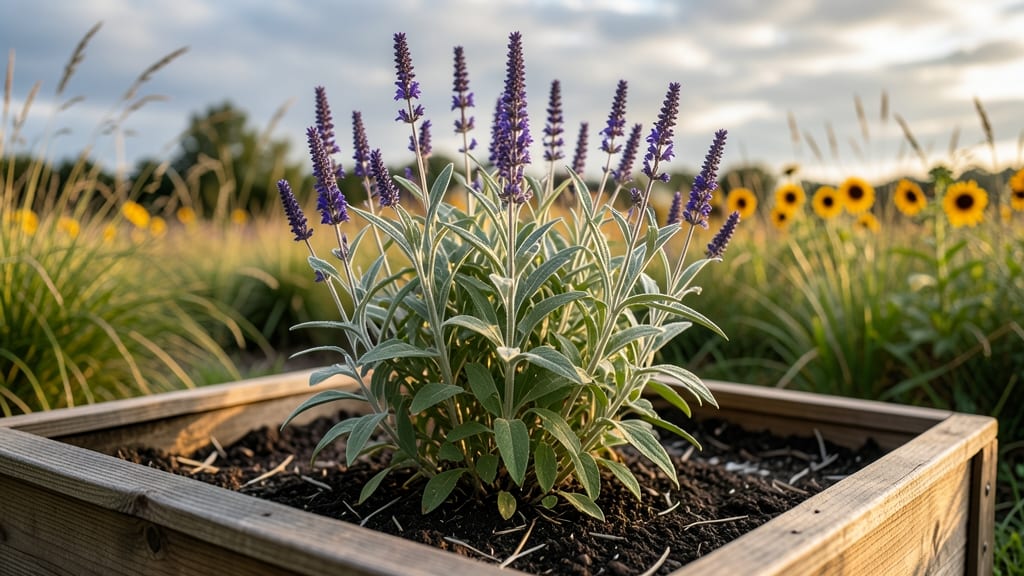
The ideal raised garden bed height depends on what you’re growing and how you plan to use it—whether for accessibility, drainage, or maximizing root space.
Struggling to decide how tall your raised garden bed should be? The right height can mean the difference between thriving plants and wasted space—or even poor drainage that stunts growth.
For most vegetables, a 6- to 12-inch height strikes the perfect balance between soil volume and ease of maintenance. But deeper-rooted plants like asparagus or fruit trees need beds that reach 18-36 inches to avoid root binding.
Below, I’ll break down the best heights for different plants, how height affects soil health, and how to adjust your design for better drainage and accessibility.

Optimal raised garden bed height by plant type and root depth
Choosing the right raised garden bed height isn't just about aesthetics—it directly impacts your plants' growth potential. Too shallow, and roots will struggle; too deep, and you're wasting soil and resources. The key is matching bed height to root depth and plant type.
For shallow-rooted herbs like basil and thyme, a 6-inch bed works perfectly, while deep-rooted perennials like asparagus need 24-36 inches to thrive.
Most gardeners default to 10-12 inches for vegetables, but this isn't one-size-fits-all. Root systems vary wildly—carrots need 12+ inches of soil to develop fully, while lettuce thrives in just 6 inches.
Even soil volume matters: a 4'x8' bed that's 6" tall holds 16 cubic feet of soil, while doubling the height to 12" gives you 32 cubic feet—enough for deeper-rooted crops.
Here's where many gardeners go wrong: they assume taller always means better. But over-deep beds (18"+) can lead to root binding—when roots circle the bottom instead of growing outward.
This happens because the plant can't "escape" the confined space. The solution? Strategic layering of soil and organic matter to encourage outward growth.
| Plant Type | Ideal Height | Root Depth | Soil Volume (4'x8') | Notes |
|---|---|---|---|---|
| Shallow-Rooted Herbs | 6-8" | 0-12" | 8-12 cu.ft | Basil, thyme, chives |
| Medium-Depth Veggies | 10-12" | 12-18" | 16-24 cu.ft | Tomatoes, peppers, beans |
| Deep-Rooted Perennials | 24-36" | 24"+ | 32-48 cu.ft | Asparagus, rhubarb, artichokes |
| Root Crops | 12-18" | 18-24" | 24-36 cu.ft | Carrots, potatoes, beets |
| Accessibility Beds | 12-18" | Flexible | 24-36 cu.ft | For wheelchair/knee access |
For accessibility-focused beds, height becomes a functional requirement. A 12-18-inch bed with 3-inch-high sides creates a comfortable working height for most gardeners, reducing back strain. This is especially useful for knee-friendly gardening—just add a wooden seat or foldable stool to the side for extra comfort.
Pro tip: If you're growing a mix of plants, consider layered beds. Start with 6 inches of soil for herbs at the top, then add 12 inches of deeper soil below for vegetables.
This maximizes space without sacrificing root depth for any plant. Just ensure the soil mix is consistent—60% topsoil, 30% compost, 10% perlite works for most gardens.
One common misconception is that taller beds always mean better drainage. While it's true that 12+ inch beds drain faster than shallow ones, the real key is soil composition.
Amend your soil with coarse sand or gravel at the bottom (but not too much—2-3 inches max) to improve drainage without sacrificing root space. Overdoing it can create air pockets that stunt root growth.
For deep-rooted perennials, think vertically. A 36-inch bed might sound extreme, but it's perfect for asparagus or rhubarb. To save on materials, build the bed in two tiers: a 12-inch base filled with nutrient-rich soil, topped with a 12-inch removable planter box.
This lets you rotate crops seasonally while keeping the deep roots happy.
Remember, soil quality matters more than raw height. A 6-inch bed with high-quality compost will outperform a 18-inch bed filled with clay-heavy soil. Always use a soil test kit
How raised garden bed height affects drainage and soil temperature
The height of your raised garden bed isn't just about aesthetics—it directly impacts how well your plants thrive. A taller bed improves drainage and warms up faster in spring, while a shorter one retains moisture longer but may struggle with frost.
The key lies in balancing these factors based on your soil type and local climate. For example, sandy soils drain too quickly in low beds, while clay soils can waterlog shallow ones. Let’s break down the science behind bed height and how to optimize it for your garden.
Soil temperature is another critical factor influenced by bed height. Taller beds (12 inches or more) warm up 2-3°F faster than ground level in spring, giving you an earlier planting window. Meanwhile, shallow beds (6 inches) stay cooler and are more vulnerable to frost damage.
If you live in a Zone 5 or colder, consider a 12-18 inch height to extend your growing season. For warmer climates, a 6-10 inch bed may suffice, reducing material costs while still improving drainage.
If you’re working with clay soil, prioritize height—aim for 12-18 inches to prevent compaction and improve drainage. Clay holds water like a sponge, and shallow beds can suffocate roots.
For sandy soil, a 10-12 inch bed strikes the right balance: it drains quickly but retains enough moisture for most vegetables. Test your soil’s drainage by filling a jar with water and soil—if it drains in under 10 minutes, you’re dealing with sand and need less height.
For frost-prone areas, taller beds are a game-changer. A 16-18 inch bed can delay frost damage by 1-2 weeks because the soil warms up faster. I’ve seen spinach and kale bolt less in taller beds during late spring.
To further protect plants, add a 4-6 inch layer of straw mulch on top—this insulates roots while keeping moisture in. In contrast, shallow beds (6 inches) may require row covers or cold frames to extend the season.
Don’t overlook the materials you use—wood, metal, or stone all conduct heat differently. Untreated cedar beds, for example, retain heat better than galvanized metal, which can get scorching hot in summer.
If you’re using brick or stone, a 10-12 inch bed is ideal because these materials absorb and radiate heat efficiently. For accessibility, consider a 14 inch height—it’s tall enough for drainage but still manageable for most gardeners to reach without bending.
Pro tip: Use a soil thermometer to monitor temperatures in your bed. Aim for 60-70°F