
Landscaping
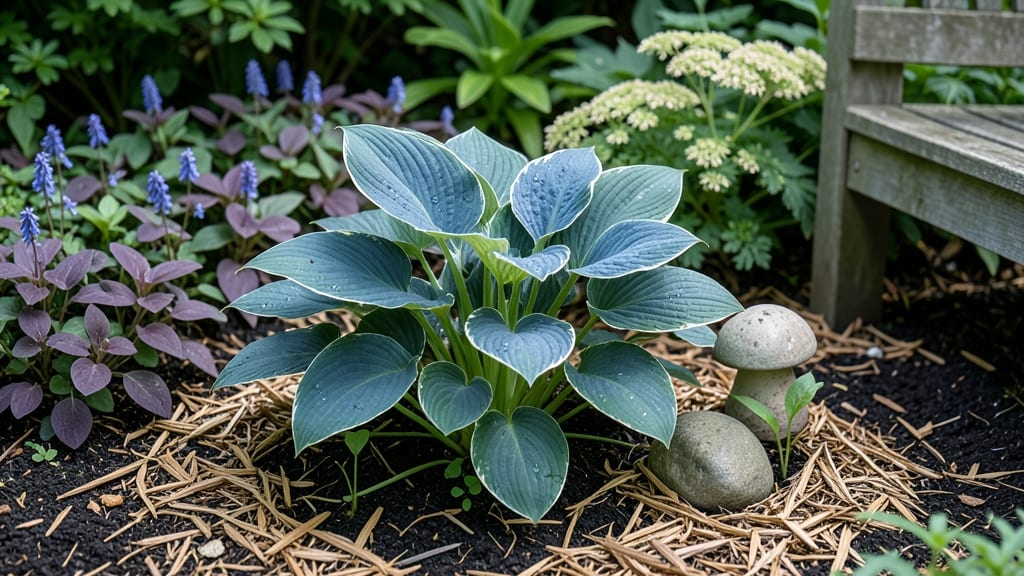
Shade garden ideas for Zone 6 can turn even the darkest corners of your yard into a lush, vibrant retreat that thrives without direct sunlight. If you’ve ever stared at a shady patch and wondered how to transform it into something more than just an afterthought, you’re not alone. The right shade-tolerant plants and smart design tricks can turn that overlooked area into a serene, year-round escape.
From towering ferns to delicate hostas and cascading ground covers, there’s a world of possibilities for creating layers of texture and color that keep your garden flourishing from spring through fall.
In this guide, I’ll walk you through the best plant combinations, design tips, and low-maintenance strategies to craft a shade garden that feels like a secret oasis—no sunlight required.
 Best Window Placement
Best layered plant combinations for Zone 6 shade gardens
Creating a shade garden in Zone 6 doesn’t mean sacrificing beauty or variety. The key lies in strategic layering—combining plants that thrive in low light while offering height, texture, and seasonal interest.
Start with tall perennials like Japanese painted ferns or foxglove to anchor your design, then add mid-height shrubs such as hydrangeas or azaleas for structure. Finally, fill the base with ground covers like ajuga or heuchera to tie everything together.
Zone 6’s partial to full shade conditions create the perfect environment for moisture-loving plants that would otherwise struggle in hot, dry spots. The right combinations ensure your garden stays lush year-round, with spring blooms, summer foliage, and autumn color.
For example, pair bleeding heart (for spring flowers) with hostas (for summer foliage) and sweet woodruff (for spring fragrance). This approach maximizes visual impact while minimizing maintenance.
Here’s a summary-table of my top layered plant combinations for Zone 6 shade gardens, organized by height and seasonal interest:
One of my favorite shade garden combinations starts with foxglove as the tallest layer, reaching 4-5 feet and providing spring blooms in shades of pink, purple, or white.
Pair it with hydrangeas for summer blooms and mid-height structure, then fill the gaps with ajuga and heuchera for colorful ground cover. This trio ensures year-round interest while keeping maintenance simple.
For a low-maintenance approach, consider native plants like wild ginger and golden ragwort. These thrive in Zone 6’s shade and attract pollinators while requiring minimal watering.
Combine them with hostas for foliage contrast and sweet woodruff for spring fragrance. Native plants also support local ecosystems and reduce your workload.
Don’t overlook foliage texture—it’s just as important as flowers in shade gardens. Plants like heuchera (with its purple or silver leaves) and Japanese painted ferns (with arching fronds) add visual depth without needing sunlight.
Mix glossy leaves with fuzzy or variegated varieties to create a dynamic tapestry that catches the eye year-round.
When layering, always consider maturity sizes. A 5-foot hydrangea
Top 5 shade-loving plants for Zone 6’s humid summers
Zone 6’s humid summers can turn shady garden spots into challenging zones, but the right plants thrive here with minimal fuss. I’ve selected five hardy, low-maintenance varieties that handle heat, moisture, and low light while adding texture and color to your garden.
These plants require little direct sunlight but still deliver bold foliage, delicate blooms, and year-round interest—perfect for under trees or north-facing beds.
When choosing shade plants for Zone 6, focus on moisture-retentive soil and mulch protection to keep roots cool. My top picks—hostas, ferns, astilbes, bleeding hearts, and shade-tolerant ferns—offer diverse heights, textures, and seasonal blooms to create a layered, dynamic garden.
Let’s dive into how to grow them successfully in your climate.
- Hostas ('Blue Angel') – 3-4 ft tall, deep blue-green foliage, thrives in partial shade, and blooms lavender flowers in summer. Divide every 3-4 years to prevent overcrowding.
- Japanese Painted Fern ('Autumn Fern') – 1.5-2 ft tall, silver and burgundy fronds, drought-tolerant once established. Plant in morning shade for best color retention.
- Astilbe ('Fanal') – 2-3 ft tall, feathery pink plumes that bloom June-August. Prefers moist, well-drained soil; deadhead spent blooms to encourage regrowth.
- Bleeding Heart ('Lamprocapnos spectabilis') – 2-3 ft tall, heart-shaped pink blooms in spring, deciduous foliage. Plant in dappled shade for prolonged flowering.
- Ostrich Fern ('Matteuccia struthiopteris') – 3-4 ft tall, arching fronds, thrives in deep shade. Cut back dead fronds in early spring to promote new growth.
For optimal growth, amend your soil with compost before planting to improve drainage and moisture retention. These shade-lovers appreciate consistent watering—especially during Zone 6’s hot, humid stretches—but avoid soggy soil, which can lead to root rot.
A 2-3 inch layer of mulch (like shredded bark) will help regulate soil temperature and reduce evaporation.
One of my favorite tricks is pairing hostas with ferns for a lush, woodland feel. The hostas’ broad leaves contrast beautifully with the fern’s delicate fronds, while astilbes and bleeding hearts add vertical interest and seasonal color.
For a low-maintenance ground cover, consider sweet woodruff or wild ginger to fill gaps between taller plants.
Pruning is minimal for these shade stars, but deadheading spent blooms (like astilbes) encourages reblooming. In late fall, cut back faded foliage of bleeding hearts and ferns to keep the garden tidy.
Hostas and ferns are deer-resistant, making them ideal for rural Zone 6 gardens where pests are a concern.
With these five shade-tolerant champions, your Zone 6 garden will stay cool, lush, and vibrant all season long—no sunlight required! 🌿