
Tools
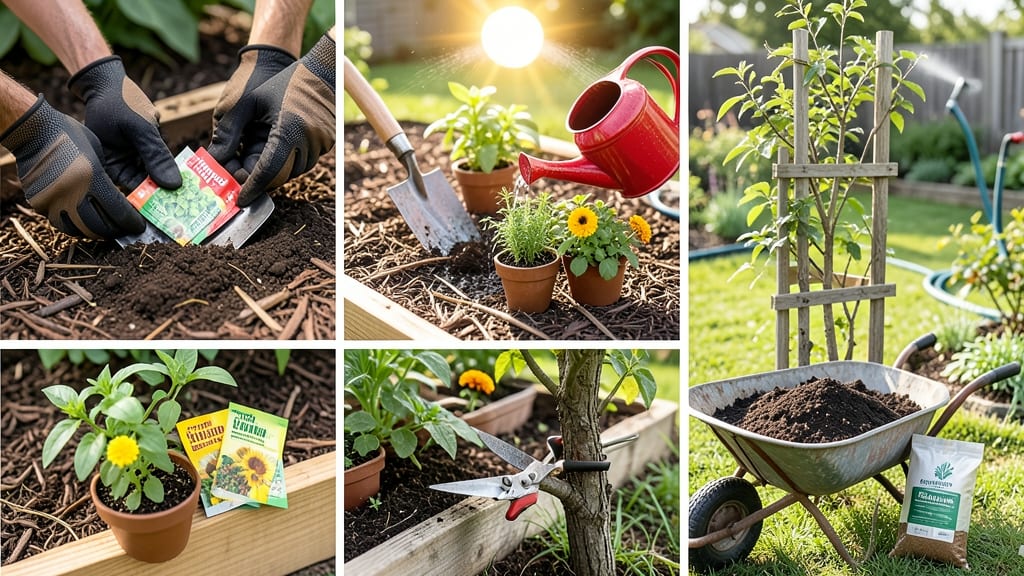
Gardening steps are the roadmap to turning even the smallest patch of dirt into a vibrant, productive space 🌱—whether you're growing herbs on a windowsill or tomatoes in raised beds.
Dreaming of lush greenery and homegrown produce but overwhelmed by where to start? You’re not alone. The good news? There’s no single "right" way to begin—just a few foundational steps that work for beginners and experts alike.
From prepping your soil to picking the perfect plants for your space, I’ll walk you through the 10 essential gardening steps that set you up for success, no matter your skill level or yard size.
You’ll learn how to avoid common mistakes, troubleshoot early challenges, and keep your garden thriving year-round—indoors or out—so you can enjoy the rewards without the guesswork.
10 Essential steps for gardening beginners to plan before planting
Starting a garden is exciting, but skipping the planning phase can lead to frustration. I’ve learned the hard way that skipping these 10 essential steps often results in poor plant health or wasted effort.
Whether you’re growing vegetables in your backyard or herbs on a windowsill, preparation is key to success. These steps will help you avoid common pitfalls and set your garden up for thriving growth from day one.
Before you dig your first hole, take time to assess your space, soil, and climate. Ignoring these factors can mean struggling with stunted plants, pests, or diseases later.
For example, planting sun-loving tomatoes in a shady spot will leave you disappointed—and hungry! Let’s break down the foundational steps to ensure your garden flourishes.
Step-by-Step Gardening Checklist
- 1 Choose the right location – Pick a spot with 6+ hours of sunlight for most vegetables, or partial shade for leafy greens. Observe your yard’s sunlight patterns for 2-3 weeks before planting.
- 2 Test your soil – Use a pH test kit (ideal range: 6.0-7.0 for most plants). Amend with compost or lime if needed. I once planted blueberries in neutral soil—disaster! They need acidic soil (4.5-5.5).
- 3 Improve soil quality – Mix in 2-3 inches of compost or aged manure. For heavy clay soil, add sand or perlite to improve drainage. My peppers thrived after I stopped fighting waterlogged soil.
- 4 Plan your layout – Group plants with similar water needs together. Use tall plants at the north to avoid shading shorter varieties. Sketch a simple map to visualize spacing—3 feet apart for tomatoes, 1 foot for lettuce.
- 5 Check frost dates – Know your last spring frost and first fall frost (use the USDA Plant Hardiness Zone Map). Plant cool-season crops (spinach, peas) 2-4 weeks before last frost; warm-season crops (beans, cucumbers) after.
- 6 Select the right plants – Choose beginner-friendly varieties like bush beans, zucchini, or marigolds. Avoid fussy plants like artichokes or asparagus until you gain experience. Check seed packets for days to maturity to plan harvests.
- 7 Prepare planting supplies – Gather containers, stakes, mulch, and organic fertilizer. For raised beds, use untreated wood or cedar. I ruined a batch of seedlings by forgetting to soak wooden stakes—now I prep everything in advance.
- 8 Start seeds indoors (if needed) – Use seed-starting trays and a grow light for plants like tomatoes or peppers that need a longer growing season. Sow directly outdoors for fast growers like radishes or beans.
- 9 Create a watering plan – Install a drip irrigation system or soaker hoses to avoid overhead watering, which spreads disease. Water deeply 1-2 times per week rather than daily shallow watering. My herbs suffered until I switched to consistent deep watering.
-
10
Set up pest prevention – Use row covers, companion planting (e
How to Choose the right plants for your gardening steps and climate Zone
Selecting the right plants for your garden is half the battle—especially when you're just starting out. Your climate zone, sunlight exposure, and soil type all play critical roles in determining which varieties will thrive.
Ignoring these factors can lead to disappointment, but with the right knowledge, you'll grow a garden that's both beautiful and productive.
Begin by identifying your USDA hardiness zone (most gardeners in the U.S. fall between zones 5-9). This tells you which plants can survive your winter lows.
Next, observe your garden's sunlight patterns—full sun (6+ hours), partial shade (3-6 hours), or full shade (<3 hours) will dictate your plant choices. For example, tomatoes and peppers crave full sun, while hostas and ferns prefer shade.
Here’s a quick reference for beginner-friendly plants that adapt well to common conditions:
Plant Type Sun Needs Water Needs Mature Size Harvest Time Lettuce (Leafy Greens) Partial Shade Moderate 12-18 inches 45-60 days Basil (Herb) Full Sun High 18-24 inches 30-45 days Marigolds (Flower) Full Sun Low-Moderate 6-12 inches 60-75 days Zinnias (Flower) Full Sun Moderate 12-36 inches 60-80 days Radishes (Vegetable) Full Sun Moderate 6-12 inches 25-30 days For USDA Zone 6a (like much of the Midwest), focus on cool-season crops like kale, spinach, and peas in early spring or late summer. In Zone 9a (Southern California), you can grow year-round vegetables such as tomatoes, eggplants, and peppers with minimal frost risk.
Always check seed packets for days to maturity—this helps you align planting with your last frost date.
Don’t overlook water needs—drought-tolerant plants like lavender or rosemary are perfect for dry climates, while succulents thrive with minimal watering. If your soil drains poorly, opt for container gardening or raised beds to prevent root rot.
A simple soil test (available at garden centers) will reveal if your soil needs amendments like compost or sand to improve drainage.
Pro tip: Start with 3-5 varieties to avoid overwhelm. Track your garden’s progress with a journal—note which plants flourish and which struggle. Over time, you’ll refine your selections to match your unique microclimate. Happy planting! 🌱