
Planting
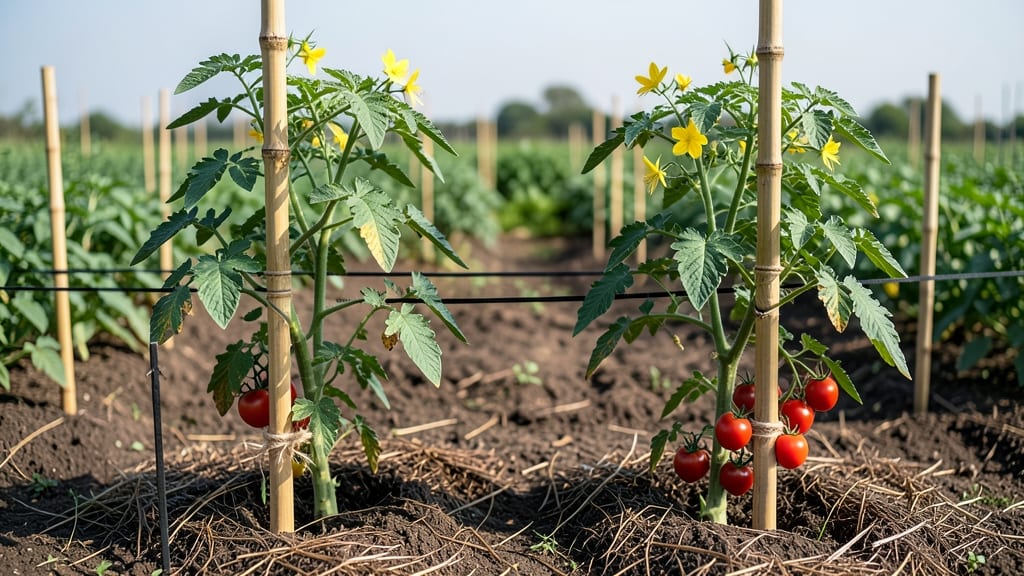
Spacing your tomato garden correctly is the secret to bigger, healthier plants and a higher yield—not just fitting more vines into tight rows.
Struggling to get the most out of your tomato plants? Proper spacing isn’t just about fitting more plants—it’s about unlocking bigger yields, healthier vines, and fewer diseases. One wrong move, and your $50 tomato harvest could turn into $15 worth of sad, crowded shrubs.
Whether you’re working with determinate varieties that stay compact or indeterminate climbers that reach for the sky, the right distance between plants makes all the difference. Too close, and airflow suffers—leading to blight and stunted growth. Too far apart, and you waste precious garden space.
In this guide, I’ll break down the exact spacing you need for every type of tomato, plus tips for adjusting layouts based on your garden size—whether you’re growing in rows, containers, or trellises.
Optimal tomato spacing by plant type and variety
Tomato plants thrive when given the right amount of space—too close, and you’ll battle diseases and poor airflow; too far apart, and you waste precious garden real estate. The key lies in understanding your tomato varieties and their growth habits.
Determinate tomatoes (bush types) need 18-24 inches of space, while indeterminate vining types require 24-36 inches or more to sprawl vertically. Even dwarf varieties benefit from proper spacing to prevent competition for nutrients and sunlight.
Why does spacing matter so much? Crowded tomatoes suffer from poor air circulation, which traps moisture and invites fungal diseases like early blight and powdery mildew. Proper spacing also ensures each plant gets enough sunlight exposure and root space to develop strong stems and heavy fruit loads.
For container growers, spacing adjustments are critical—small pots limit root growth, so you’ll need to compensate with fewer plants per container.
Here’s a quick reference for spacing by plant type, including adjustments for trellising and container gardening:
| Tomato Type | Spacing (In-Ground) | Trellis Spacing | Container Size | Notes |
|---|---|---|---|---|
| Determinate (Bush) | 18-24" | 18-24" (trellis optional) | 5-gallon pot (1 plant) | Compact, heavy fruit; stake for support. |
| Indeterminate (Vining) | 24-36" | 18-24" (trellis required) | 15-gallon pot (1 plant) | Grows indefinitely; prune suckers for airflow. |
| Dwarf Varieties | 12-18" | 12-18" (cage or stake) | 3-gallon pot (1 plant) | Ideal for small spaces; harvest early. |
| Cherry Tomatoes | 12-18" | 12-18" (trellis for vining types) | 5-gallon pot (2-3 plants) | High yield; prune for airflow. |
| Heirloom Beefsteaks | 36-48" | 24-36" (strong trellis) | 25-gallon pot (1 plant) | Heavy fruit; stake early. |
For indeterminate tomatoes, trellising isn’t just helpful—it’s essential. These vines can grow 6-10 feet tall if left unchecked, and without support, they’ll sprawl across your garden, shading neighboring plants. Use strong trellises or cages (at least 5 feet tall) to guide their growth vertically.
This not only saves space but also improves airflow and sunlight penetration to the lower leaves, reducing disease risk.
If you’re growing in containers, size matters. A 5-gallon pot is the minimum for most tomato varieties, but larger containers (15+ gallons) are ideal for indeterminate types.
Remember, container-grown tomatoes dry out faster, so water consistently and use a balanced fertilizer every 2-3 weeks. Mulch around the base to retain moisture and regulate soil temperature.
Pro tip: If your garden space is limited, consider square foot gardening. This method allows you to plant 1 tomato per square foot for dwarf varieties or 4 per square foot for cherry tomatoes, maximizing yield in small areas. Just ensure each plant still gets
Common tomato spacing mistakes that kill yields (and how to fix them)
Even experienced gardeners fall into the trap of thinking more tomato plants = bigger harvests. But cramming your garden with tomatoes actually triggers a chain reaction of problems—stunted growth, disease hotspots, and blight outbreaks that can wipe out your entire crop.
The good news? Most spacing mistakes are easy to spot (and fix) before they derail your season.
I’ve seen $200 worth of tomato seedlings turned into disappointing 5-pound harvests because of one simple error: ignoring the plant’s mature size. Determinate varieties (like Roma) need 2 feet apart, while indeterminate types (like Sungold) can sprawl 3-4 feet without support.
Skipping this step means your tomato cages become prisons instead of support systems.
⚠️ Warning: 3 Silent Spacing Killers
1. Yellow leaves + slow growth: Plants fighting for nutrients/water show chlorosis (yellowing) on lower leaves—your first sign of overcrowding. Fix: Prune nearby plants immediately and thin to 18" spacing for determinates, 36" for indeterminates.
2. Blight outbreaks: Poor air circulation lets fungal spores thrive. Look for dark spots on leaves or stems—this is early blight spreading. Fix: Space plants 12" wider and stake vertically to improve airflow.
3. Stunted fruit: Tomatoes abort flowers when plants compete for sunlight. Tiny, green fruit? You’re overplanted. Fix: Remove every other plant and redirect sunlight to remaining vines.
Here’s the kicker: under-spacing is just as deadly. I once saw a gardener plant indeterminate tomatoes 12 inches apart—they grew into a 6-foot tangled mess that snapped under fruit weight.
The solution? Trellis early and space for 24-36 inches of vertical growth. Use tomato towers or A-frame cages to save space without sacrificing yield.
Mid-season adjustments are easier than you think. If you spot powdery mildew or leaf curl, it’s time to act. Prune aggressively: Remove 1/3 of foliage near the base to improve airflow, then stake remaining plants.
For container growers, upgrade to 5-gallon pots (minimum) and limit to 1 plant per container—no exceptions.
Pro tip: Measure your garden’s sunlight patches first. Tomatoes need 6+ hours of direct sun, but partial shade (like under a tree) can force plants to stretch and produce fewer fruits. If your layout leaves gaps, rotate plants annually to balance sun exposure and prevent soil depletion.
Remember: Spacing isn’t about density—it’s about health. A well-spaced tomato plant will outproduce 3 crowded ones every time. Start with the right layout, monitor for early warning signs, and don’t hesitate to thin or prune—your future harvest depends on it. 🌱