
Tools
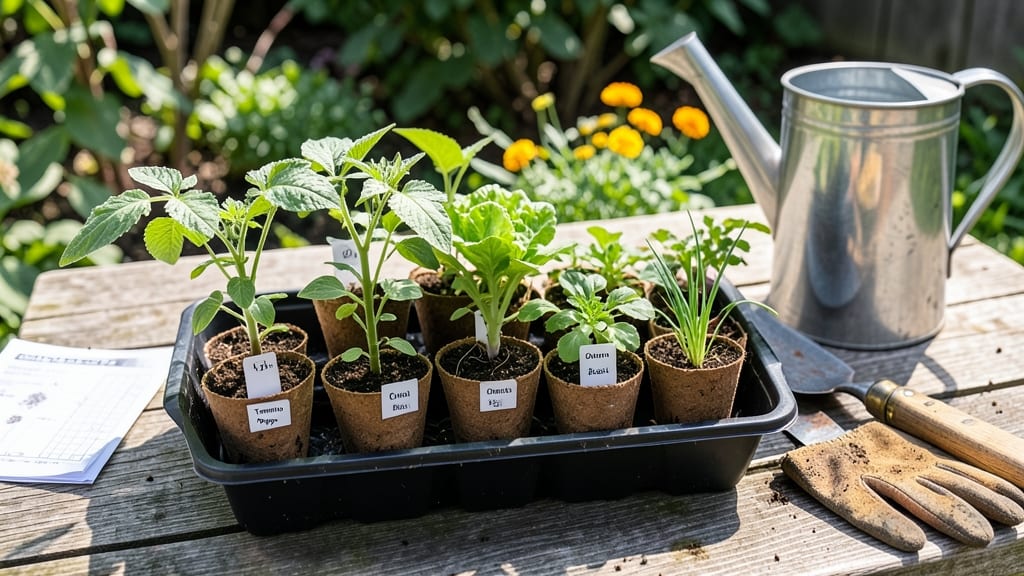
Mastering a vegetable garden planting schedule is the difference between a bountiful harvest and a season of disappointment.
Picture this: You’ve spent hours prepping your soil, selecting the best seeds, and dreaming of fresh tomatoes and crisp lettuce—only to watch your plants wilt because you planted them too early or too late.
Timing isn’t just about following a calendar; it’s about syncing your garden with your local climate, hardiness zone, and even the quirks of your microclimate.
In this guide, I’ll break down the exact months to plant cool-season crops like lettuce and spinach versus warm-season favorites like tomatoes and peppers, tailored to your USDA zone.
You’ll learn how to adjust for early starts, succession planting, and even how to push your growing season with simple tricks like row covers.
By the end, you’ll have a clear, actionable schedule that turns guesswork into a predictable, rewarding harvest—no more wasted seeds or missed opportunities.

Vegetable planting schedule by hardiness zone: key dates for cool and warm season crops
Your hardiness zone determines everything from frost dates to soil warmth, making it the foundation of your planting schedule.
Cool-season crops like lettuce and peas thrive in spring and fall, while warm-season favorites such as tomatoes and peppers need soil temperatures above 60°F. Below, I’ll break down exact planting windows for zones 3-10, including succession planting tips to keep your harvests flowing.
First, find your USDA hardiness zone using the USDA Plant Hardiness Zone Map. Then, calculate your average last frost date (spring) and first frost date (fall) by checking local weather records or using tools like the Old Farmer’s Almanac.
For example, in Zone 5, the last frost typically falls around May 15, while Zone 9 gardeners rarely see frost after January 15. These dates are your planting anchors.
Cool-season vegetables can handle light frosts and often perform best when planted 4-6 weeks before your last frost date. Warm-season crops, however, must wait until 2-3 weeks after your last frost when soil temperatures consistently stay above 60°F.
Use a soil thermometer to verify—cool soil slows germination and stunts growth.
Here’s your zone-specific planting guide, including ideal months for both cool and warm-season crops, along with succession planting intervals to maximize yields:
| Zone | Cool-Season Crops (Plant) | Warm-Season Crops (Plant) | Succession Planting | Notes |
|---|---|---|---|---|
| 3-4 | March-April (4-6 wks before last frost) August-September (6-8 wks before first frost) |
May-June (after last frost, soil >60°F) | Every 2-3 weeks for lettuce, spinach | Use row covers for early starts |
| 5-6 | April-May (4-6 wks before last frost) July-August (6-8 wks before first frost) |
May-June (soil >60°F) | Every 3 weeks for beans, peas | Extend season with cold frames |
| 7-8 | February-March (fall crops) September-October (winter crops) |
March-April (soil >65°F) | Biweekly for tomatoes, peppers | Long growing season—plant heat-tolerant varieties |
| 9-10 | August-September (fall only) | February-April (soil >60°F) | Weekly for basil, cucumbers | Year-round planting possible with shade cloth |
For cool-season crops, focus on leafy greens, root vegetables, and peas. These thrive in cooler temperatures (50-75°F) and can even tolerate light frosts. In Zone 5, for example, I plant spinach in early April and again in late July for a fall harvest.
Use succession planting every 2-3 weeks to ensure a steady supply—think of it like a rolling harvest.
Warm-season crops like tomatoes, peppers, and beans need consistent warmth (70-85°F) to germinate and grow. In Zone 7, I wait until mid-April to transplant seedlings, even if the air feels warm. Always check
How to adjust your planting schedule for early, mid-season, and late crops
Staggering your vegetable garden planting schedule is one of the easiest ways to extend your harvest season and avoid glutting yourself with zucchini or tomatoes all at once. By planting early, mid-season, and late crops, you create a continuous supply of fresh produce while also protecting against weather surprises.
The key lies in understanding your soil temperature, frost dates, and the unique needs of each plant variety.
For example, cool-season crops like lettuce and peas thrive when temperatures dip below 75°F, while warm-season crops such as tomatoes and peppers need soil that’s at least 60°F before they’ll germinate.
I’ve learned that using row covers or cold frames can push the limits of what I can grow in my Zone 6 garden, letting me plant earlier in spring or later in fall. Let’s break down how to time your plantings like a pro.
- Use a soil thermometer to confirm soil temperature is right for seed germination (e.g., 40°F for peas, 70°F for beans).
- Plant early crops 4-6 weeks before your last frost date (e.g., spinach, kale) for a spring harvest.
- Stagger mid-season crops every 2-3 weeks (e.g., lettuce, radishes) to ensure a steady supply.
- Save late crops for 30-60 days before your first frost (e.g., bush beans, carrots) to extend your harvest.
- Use row covers to protect seedlings and warm soil, allowing you to plant warm-season crops 2-3 weeks earlier.
- Direct sow fast-growing crops (e.g., radishes, lettuce) every 2 weeks for continuous harvests.
- Transplant slow-growing crops (e.g., tomatoes, peppers) after soil warms to avoid stunted growth.
When planning your vegetable garden planting schedule, start by identifying your last and first frost dates. These dates act as bookends for your growing season.
For instance, in my garden, I plant cool-season crops like broccoli and cabbage as soon as the soil can be worked in early spring, even if there’s still a chance of frost. I use row covers to shield them from light frosts, which gives me an earlier start.
For warm-season crops, I wait until after the last frost date and ensure the soil temperature is consistently above 60°F. I’ve found that using a cold frame can help me plant tomatoes and peppers a few weeks earlier in cooler zones.
This simple tool creates a microclimate that warms the soil faster, giving my plants a head start. Always check the seed packet for specific soil temperature requirements—it’s a game-changer!
Another pro tip is to use succession planting for crops like lettuce, radishes, and beans. Instead of planting all your seeds at once, sow a portion every 2-3 weeks. This ensures you’re always harvesting fresh produce and avoids the frustration of a sudden overflow of ripe vegetables.
For example, I plant a row of radishes every week from early spring to midsummer, guaranteeing a steady supply without any waste.
Don’t forget to account for maturity dates when planning your schedule. If you plant a crop that takes 60 days to mature and your frost date is in 70 days, you’re safe.
But if you’re pushing the season with late plantings, choose faster-maturing varieties or use protective measures like row covers to buy extra time. For instance, I opt for bush beans over pole beans for my late-summer plantings—they mature faster and are less prone to frost damage.
Finally, keep a gardening journal to track what works in your specific climate. Note which crops thrive with early plantings, which benefit from staggered sowings, and which struggle in your zone.
Over time, you’ll refine your vegetable garden planting schedule to match your unique growing conditions, leading to bigger harvests and fewer disappointments. Happy planting!