
Tools
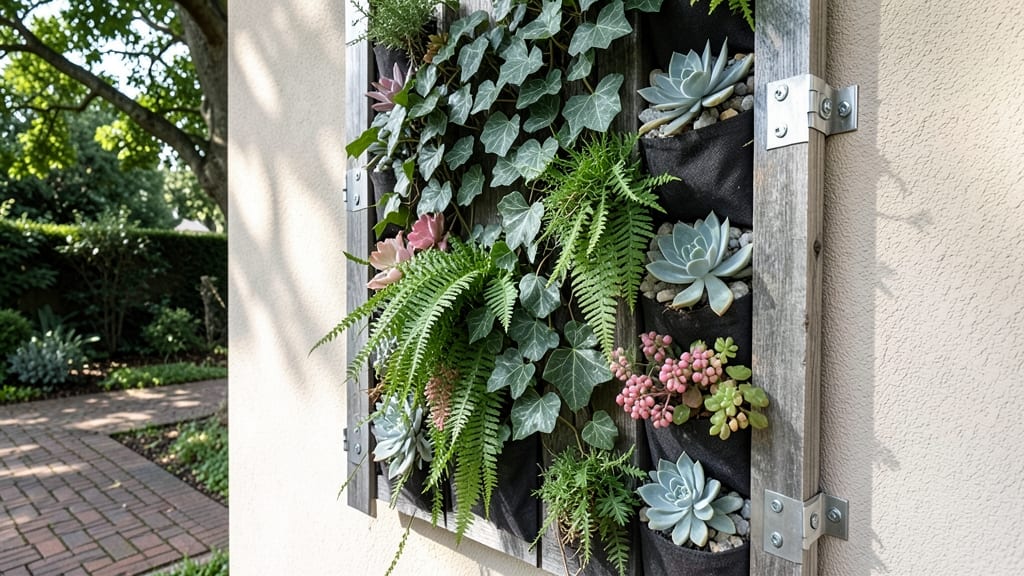
An outdoor wall garden turns blank vertical space into a lush, functional green space—perfect for small yards, balconies, or urban patios where square footage is at a premium.
Running out of space in your small yard or balcony? A well-designed outdoor wall garden can transform vertical walls into a thriving green oasis—without sacrificing floor space or aesthetics.
Whether you’re growing herbs for cooking, trailing flowers for color, or even edibles like strawberries, vertical gardening maximizes your plot while keeping maintenance simple and stylish.
Inside, you’ll discover 10 space-saving layouts, plant pairings that thrive side by side, and step-by-step tips to build or buy a system that fits your style and budget.
10 Best outdoor wall garden layouts for small spaces
If you're dreaming of a lush garden but short on ground space, outdoor wall gardens are your answer. These space-saving designs let you grow herbs, flowers, and veggies vertically while adding beauty to your patio or balcony.
Whether you have 6 hours of sun or dappled shade, there's a layout that fits your space and style.
I've tested these designs in my own urban balcony garden, and they've transformed dead walls into thriving ecosystems. The key is choosing the right structure and plant combinations for your light conditions. Let's explore the top 10 layouts that work beautifully in small spaces.
Comparison Table: Outdoor Wall Garden Layouts
| Layout Type | Best For | Sunlight Needs | Plant Pairings | Space Saved |
|---|---|---|---|---|
| Tiered Wooden Shelves | Patios, balconies | Full sun to partial shade | Succulents, herbs, strawberries | Up to 50% |
| Hanging Fabric Pockets | Small balconies, decks | Partial shade to full sun | Trailing flowers, lettuce, chives | Up to 70% |
| Modular Plastic Panels | Urban yards, fences | Full sun | Tomatoes, peppers, basil | Up to 60% |
| Pallet Wood Planters | Budget-friendly yards | Partial shade | Ferns, impatiens, mint | Up to 40% |
| Vertical Trellis System | Climbing plants | Full sun | Cucumbers, beans, roses | Up to 80% |
My favorite layout for full sun exposure is the modular plastic panel system. The pockets hold 1 gallon of soil each, perfect for tomatoes and peppers that need deep roots.
I placed mine on my south-facing fence where they get 6-8 hours of direct sunlight daily. The key is using lightweight potting mix to prevent the structure from sagging.
For shady spots, I recommend the hanging fabric pockets. They're ideal for trailing plants like sweet potatoes or leafy greens that prefer indirect light. The fabric allows roots to breathe while retaining moisture - crucial for shade-loving plants.
I hang mine under my balcony awning where they get 2-3 hours of morning sun.
If you're working with limited budget, repurposed pallet wood makes an excellent vertical planter. I stained mine to match my deck and filled the compartments with moisture-retentive soil.
This layout works beautifully for herbs like thyme and oregano that thrive in well-draining conditions. The best part? You can customize the size to fit any wall space.
Don't overlook the trellis system for climbing plants. I grew cucumbers and beans last summer that produced 30% more yield than their ground counterparts. The vertical growth saved valuable floor space while keeping the vines off the ground where pests could access them.
Install your trellis near a south-facing wall for maximum sunlight exposure.
For small balconies, consider the tiered wooden shelf system. Each shelf holds 3-4 plants, and you can stagger them to create visual interest. I placed mine at different heights to accommodate tall plants like basil and shorter varieties like lettuce.
The key is leaving 6-12 inches between shelves for proper air circulation and easy maintenance.
Remember that drainage is critical in wall gardens. All my containers have drainage holes, and I use terracotta pots for herbs that need excellent airflow. For heavier plants like tomatoes, I reinforce the structure with metal brackets to handle the weight when fully grown.
Watering from above helps prevent soil compaction in these elevated planters.
When selecting plants, group them by their water and sunlight needs. For example, pair succulents with rosemary in sunny spots, as they both thrive with minimal water. In shadier areas, combine hostas with ferns
How to choose plants for vertical outdoor gardens
Vertical outdoor gardens are perfect for maximizing small spaces, but selecting the right plants makes all the difference. Look for trailing varieties, compact shrubs, and self-supporting plants that thrive in elevated planters. These plants not only save space but also add beauty and functionality to your wall garden.
My favorite choices include herbs like thyme and oregano, flowers like petunias and fuchsias, and vegetables like cherry tomatoes and lettuce—all of which adapt well to vertical growing.
When planning your wall garden, consider sunlight exposure—most vertical plants need at least 4-6 hours of direct sunlight daily. South or west-facing walls are ideal for sun-loving plants, while north or east-facing walls suit shade-tolerant varieties.
Always check the mature size of plants to ensure they fit your vertical space without overcrowding. For example, basil and nasturtiums stay compact, while ivy or string beans can trail elegantly.
| Plant Type | Sun Needs | Water Needs | Mature Size | Best For |
|---|---|---|---|---|
| Trailing Nasturtiums | Full Sun | Medium | 1-2 ft long | Edible flowers, pest control |
| Dwarf Basil | Partial Sun | High | 1-1.5 ft tall | Culinary herb, pest deterrent |
| Cherry Tomatoes | Full Sun | Medium | 2-3 ft tall | Fresh harvests, compact growth |
| Ivy (English) | Partial Shade | Low | 6-10 ft long | Ground cover, shade tolerance |
| Petunias | Full Sun | Medium | 1-2 ft tall | Colorful blooms, pollinator-friendly |
Seasonal care is key to keeping your vertical garden thriving year-round. In spring and summer, focus on regular watering (every 2-3 days) and monthly fertilization to encourage lush growth. Use a balanced 10-10-10 fertilizer to support both foliage and flowers.
During fall, reduce watering and fertilizing as growth slows, and prune back any dead or overgrown plants to maintain a neat appearance.
For winter care, protect tender plants with burlap wraps or move potted plants indoors if temperatures drop below 25°F. Evergreens like rosemary or thyme can stay outside with a thick layer of mulch to insulate roots.
Always check for pests or diseases after winter—vertical gardens can be prone to fungal issues due to limited airflow, so ensure proper spacing and avoid overhead watering.
Don’t forget to rotate crops annually to prevent soil depletion. If you’re growing edibles, swap out plants like lettuce or radishes with winter greens or herbs in fall. This keeps your wall garden productive and extends the growing season.
With the right plant selection and care routine, your vertical garden will flourish and become a stunning focal point in any small space! 🌱