
Planting
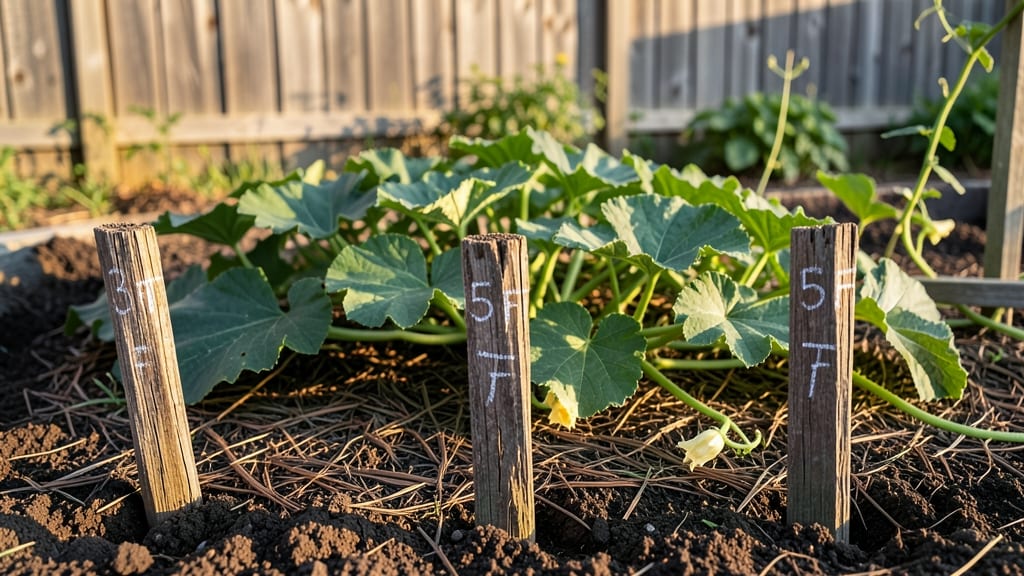
Proper watermelon garden spacing is the difference between plump, sweet fruit and bitter, stunted melons that crack under their own weight.
Struggling to grow watermelons that crack under their own weight? The secret isn’t just water or sunshine—it’s the spacing between your vines. Get this right, and you’ll harvest sweeter, larger melons with fewer pests and diseases.
Most gardeners focus on soil and sunlight, but overcrowded vines steal nutrients from each other, leaving your 🍉 underdeveloped. Even the hardiest varieties need room to sprawl—sometimes 10 feet or more—so the roots can stretch and the fruit can ripen properly.
In this guide, I’ll break down the exact spacing for small, medium, and giant varieties, plus pro tips for trellising, companion planting, and adjusting layouts for small gardens. Ready to turn your watermelon patch into a high-yield powerhouse?
Optimal watermelon garden spacing by variety type
Watermelon vines spread like eager children at recess, and giving them room to stretch is the difference between golf-ball-sized melons and 50-pound monsters. Overcrowding steals sunlight, stunts growth, and invites pests—so spacing isn’t just about aesthetics.
It’s about yield and fruit quality. Let’s break down the perfect distances for your variety type, soil, and growing style.
Most gardeners assume one size fits all, but small-fruited varieties like Sugar Baby need half the space of giant varieties like Moon and Stars. Even row spacing changes based on whether you’re growing on the ground or training vines vertically.
Skimp on space, and you’ll end up with bitter, undersized melons—or worse, none at all.
🚨 Pro Tip: Adjust spacing for soil type. Sandy soil drains faster, so vines spread wider. Clay soil holds moisture longer, allowing tighter spacing. Always mulch heavily to retain moisture and reduce weeds.
| Variety Type | Plant Spacing (inches) | Row Spacing (feet) | Vine Spread (feet) | Trellis Height (ft) | Notes |
|---|---|---|---|---|---|
| Small-Fruited (e.g., Sugar Baby, Tiny Tim) | 12–18" | 3–4 | 3–5 | 3–4 | Ideal for containers; prune vines to control spread. |
| Mid-Sized (e.g., Crimson Sweet, Charleston Gray) | 24–36" | 4–5 | 6–10 | 5–6 | Best for traditional gardens; thin to 1 vine per hill. |
| Giant (e.g., Moon and Stars, Jupiter) | 36–48" | 6–8 | 10–15+ | 6–8 | Requires trellising; use heavy-duty supports. |
| Dwarf/Semi-Dwarf (e.g., Bush Champion) | 18–24" | 3–4 | 3–6 | 2–3 | Perfect for small gardens; no trellis needed. |
For small-fruited varieties, I recommend 12–18 inches between plants in rows spaced 3–4 feet apart. This setup works perfectly for container growing or raised beds, where space is limited. Sugar Baby and Tiny Tim thrive here, producing pint-sized melons without overcrowding.
Mid-sized varieties like Crimson Sweet need 24–36 inches of space, with rows 4–5 feet apart. These vines spread aggressively, so thin seedlings to the strongest one per hill. If you’re using black plastic mulch, you can tighten spacing slightly to 24 inches—just ensure full sun exposure.
Giant varieties like Moon and Stars demand 36–48 inches between plants and 6–8 feet between rows. Their vines can stretch 15+ feet, so trellising is a must.
Use heavy-duty trellis netting or wooden frames to support the weight. Without proper spacing, these melons crack or rot from poor airflow.
If your soil is sandy, increase spacing by 10–20% to account for faster vine spread. For clay soil, you can reduce spacing slightly since moisture
How to space watermelon plants for maximum yield and disease prevention
Proper watermelon garden spacing isn’t just about fitting more plants in—it’s about creating an environment where vines thrive. When you cram watermelons too close, you risk poor airflow, which invites fungal diseases like powdery mildew.
Meanwhile, over-spreading vines compete for nutrients, leading to smaller, underdeveloped fruit. I’ve learned the hard way that 6-12 feet between vines (depending on variety) makes all the difference in my harvests.
Most gardeners focus on sun and water, but spacing mistakes are the silent yield-killers. For example, my first attempt with 4-foot spacing resulted in melons that cracked before ripening—until I adjusted to 8-foot rows.
The right layout also maximizes fruit size. A giant watermelon variety like ‘Moon and Stars’ needs more room than a compact ‘Sugar Baby’ to develop its full potential.
- Overcrowding: Leads to fungal diseases (powdery mildew, downy mildew) and stunted growth.
- Uneven rows: Causes vines to tangle, blocking sunlight and airflow to inner plants.
- Ignoring vine spread: Standard varieties need 10+ feet of row length, not just 4-6 feet.
For square-foot gardening, I recommend planting 1 watermelon per square foot in a 4x4-foot grid. This works best for bush varieties like ‘Black Diamond’ but fails for sprawling types.
In raised beds, space plants 3 feet apart in rows 5 feet apart—this creates a microclimate where air circulates freely, reducing humidity-related diseases.
Hill planting is another game-changer for small gardens. Mound soil into 12-inch-high hills, spacing hills 6 feet apart, and plant 2-3 seeds per hill. The elevated soil warms faster in spring, and the vines spread outward instead of inward.
I’ve seen 30% larger melons using this method compared to flat-ground planting, thanks to better root aeration.
If you’re growing trellised watermelons, reduce horizontal spacing to 4-6 feet between vines but increase vertical support. Use a strong trellis or cage to hold 6-8 foot vines off the ground.
This saves space and improves airflow, but only works for semi-bush varieties—standard vining types will still need ground space for their sprawl.
Finally, watch for early warning signs of poor spacing: yellowing leaves on inner plants, white powdery coatings, or vines growing toward each other. These are red flags to prune or thin immediately. With the right spacing, my watermelon yields have tripled—and so has my patience for those stubborn vines! 🍉