
Blooming
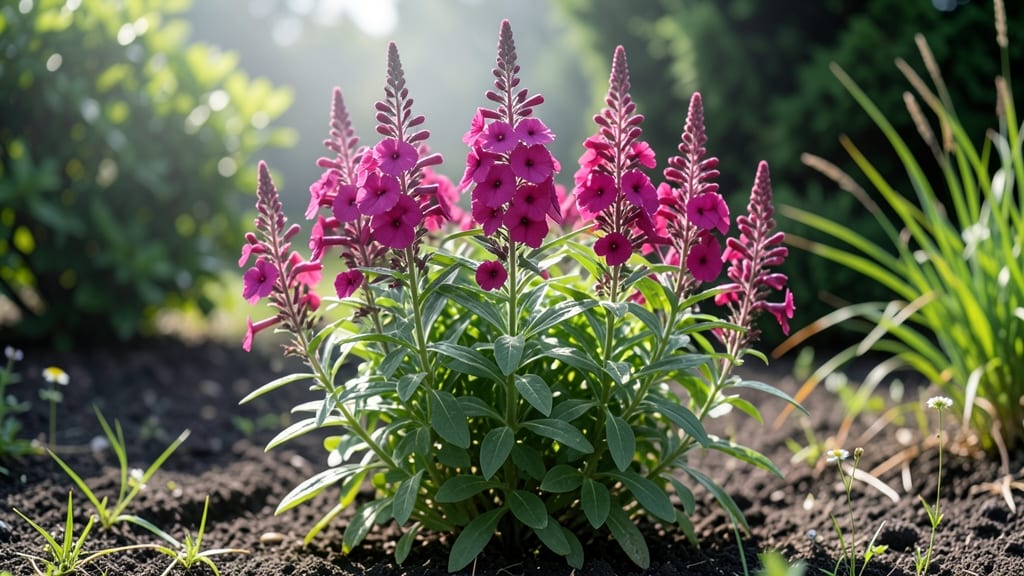
Garden phlox blooms between June and September 🌸, turning your yard into a fragrant, colorful showstopper—but timing varies wildly depending on where you live and which variety you plant.
If you’re dreaming of a garden bursting with vibrant blooms, timing is everything—and garden phlox delivers some of the most stunning summer-to-fall color when planted right.
In cooler zones like 6a, expect early bloomers to kick off in June, while late varieties may not peak until September. Southern gardens can stretch that window even longer, with some phlox flowering into early October.
Below, I break down the exact bloom months for popular varieties, how to extend their show with simple tricks, and the best companion plants to keep your garden looking fresh all season.
Garden Phlox bloom times by variety: early, mid, and late season options
Timing your garden phlox planting is key to unlocking their full potential, especially since different varieties bloom at distinct times throughout summer and fall. Whether you're aiming for early-summer splashes of color or late-season drama, understanding these bloom windows helps you create a continuous garden display.
Let’s break down the most popular varieties and their ideal bloom periods across USDA zones 3–9, so you can plan with confidence.
Garden phlox comes in three main categories based on bloom timing: early-season (June–July), mid-season (July–August), and late-season (August–September). Each variety thrives in slightly different conditions, and regional climate plays a role in shifting bloom windows by 1–2 weeks.
For example, cooler northern zones (like USDA 3–5) may see blooms start later, while warmer southern zones (like USDA 7–9) often enjoy earlier and longer displays.
| Variety | Bloom Period | USDA Zones | Height | Color Palette |
|---|---|---|---|---|
| Phlox drummondii (Annual) | Early: June–July | 5–11 (all zones) | 6–12 inches | Pink, red, purple, white |
| Phlox subulata (Creeping Phlox) | Early–Mid: April–May (spring) or Sept–Oct (fall) | 3–9 | 6–12 inches | Blue, purple, pink, white |
| Phlox paniculata (Garden Phlox) | Mid–Late: July–September | 4–8 | 2–4 feet | Purple, pink, white, lavender |
| Phlox paniculata 'David' (Early) | Early: June–July | 4–8 | 2–3 feet | Deep purple |
| Phlox paniculata 'Lipstick' (Late) | Late: August–September | 4–8 | 2–3 feet | Magenta |
For gardeners in cooler climates (USDA 3–5), expect Phlox paniculata to bloom slightly later—often starting in mid-July—due to slower early-season growth. In contrast, USDA zones 7–9 may see blooms as early as late June, especially for varieties like 'David' or 'Blue Moon.'
The key is to plant Phlox drummondii in early spring (March–April) for a June–July show, while Phlox paniculata benefits from late spring (May) planting to align with July–September blooms.
If you’re planning a sequential bloom strategy, pair Phlox drummondii (early) with Phlox subulata (spring/fall) and Phlox paniculata (mid-to-late). This creates a continuous color display from April through October.
For example, in my Zone 6 garden, I plant 'David' phlox alongside 'Lipstick' to ensure blooms stretch from June through September, with minimal gaps.
One common misconception is that all phlox bloom at the same time. In reality, Phlox drummondii (annual) is strictly an early-summer performer, while Phlox paniculata varieties like 'Lipstick' are designed for late-season impact.
Even within Phlox paniculata, some cultivars (like 'Blue Moon') bloom earlier than others (like 'White Delight'), so choose based on your desired timeline. For instance, 'Blue Moon' typically starts in early July, while 'White Delight' peaks in mid-August.
Climate also affects bloom duration. In humid southern zones (7–9), phlox may bloom for 6–8 weeks
How to extend Phlox blooms: pruning, deadheading, and soil tips for longer color
Garden phlox paniculata is a showstopper in late summer, but its blooms often fade too soon. The secret to longer-lasting color lies in timely pruning, strategic deadheading, and soil care.
With the right techniques, you can stretch those fragrant clusters from July through September—or even later in cooler climates.
Most gardeners focus on first flushes of blooms but miss the second flush potential. Phlox naturally produces two bloom cycles per season if given the right conditions. The key? Pruning at the right time and feeding the soil to support continuous growth.
Let’s break it down into actionable steps to keep your phlox blooming like clockwork.
Step-by-Step Guide to Extend Phlox Blooms
- Step 1: Deadhead after first flush – Once 50% of blooms fade, snip spent stems 1 inch below the next set of leaves. This redirects energy to new buds.
- Step 2: Prune for second flush – After mid-July, cut back one-third of stems to encourage lateral branching. Avoid heavy pruning past August 1st.
- Step 3: Feed the soil – Mix compost or balanced fertilizer (10-10-10) into the soil in early spring. Avoid high-nitrogen feeds after June 1st.
- Step 4: Mulch heavily – Apply 2-3 inches of mulch to retain moisture and prevent soil-borne diseases that cause early wilting.
- Step 5: Water deeply in mornings – 1 inch per week during peak bloom (July–August). Avoid evening watering to prevent fungal issues.
Timing is critical—deadheading too late can signal the plant to stop flowering. For Phlox paniculata, start deadheading in early July when the first blooms open. For dwarf varieties, like Phlox subulata, deadhead weekly to encourage continuous low blooms.
Soil health is just as important as pruning. Phlox thrives in well-draining, slightly acidic soil (pH 6.0–7.0).
If your soil is compacted or alkaline, amend it with peat moss or sulfur before planting. Over-fertilizing with nitrogen leads to leafy growth at the expense of blooms, so stick to low-phosphorus feeds during the growing season.
Don’t forget pest control—aphids and Japanese beetles devour phlox blooms. Spray with neem oil or introduce ladybugs to keep pests in check. A healthy plant with strong stems resists damage better than an overfed one.
With these techniques, your phlox can bloom for weeks longer than average. The payoff? A garden that stays vibrant from early summer through fall, attracting pollinators and turning heads. Happy gardening! 🌸✂️🌿