
Blooming
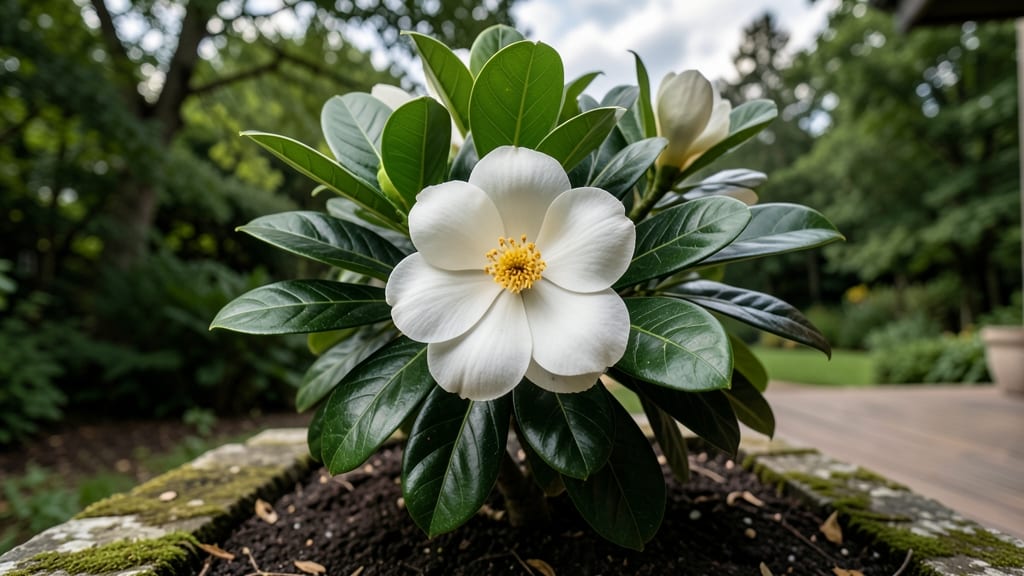
Gardenias in Zone 9 bloom year-round with the right timing, typically starting in late winter and continuing through spring, summer, and fall.
If you’re dreaming of a garden filled with intoxicating gardenia blooms year-round, timing is everything—especially in Zone 9’s warm climate. But when exactly should you expect those fragrant white flowers to appear, and how can you coax extra blooms from your plants?
In Zone 9, gardenias often begin their show in February or March, when cooler temperatures trigger buds to open. However, with proper care—like consistent watering and the right sunlight—they can bloom well into November, giving you months of sweet fragrance.
Below, I’ll break down the exact blooming windows, how to extend your gardenia’s season, and the simple care tricks that keep those 🌸 flowers coming back all year.
Gardenias in Zone 9: natural blooming seasons and climate impact
Zone 9 gardeners enjoy nearly year-round growing conditions, but gardenias here have unique blooming windows shaped by temperature shifts and humidity. Unlike cooler climates where blooms peak in summer, Zone 9 gardenias often flower in late fall through winter, with surprises in spring.
The key? Understanding how heat tolerance thresholds and drought stress influence their natural cycles.
Most gardenias in Zone 9 follow a fall-to-winter blooming pattern, triggered by dropping temperatures after summer's peak heat. However, some varieties—especially heat-tolerant cultivars like 'Radicans'—defy norms and bloom sporadically in spring.
This adaptability makes them perfect for Zone 9's microclimates, where coastal areas may see winter blooms while inland gardens experience summer reblooming.
The primary blooming window in Zone 9 runs from November through February, when temperatures stabilize between 50-70°F. This period aligns with the plant's natural dormancy phase, where cooler nights and mild days create perfect conditions.
However, gardenias planted in coastal Zone 9 areas may experience extended winter blooms due to moderating ocean breezes that prevent temperature swings.
Gardenias have a heat tolerance threshold of about 85°F—any hotter, and buds often abort before opening. In inland Zone 9 regions where summer temps frequently exceed 90°F, spring blooms become rare unless you're growing heat-resistant varieties.
The good news? These same conditions can trigger reblooming in fall if you provide consistent care during summer dormancy.
Drought stress is another major blooming disruptor in Zone 9. Gardenias need consistent moisture to set buds, and even one week of dry soil can cause buds to drop. Unlike desert-adapted plants, gardenias won't rebloom after drought—they require year-round moisture management.
In my own Zone 9b garden, I've found that drip irrigation on a 3-day cycle maintains optimal soil moisture without waterlogging.
Microclimates play a huge role in Zone 9 gardenia performance. A gardenia planted in a shaded backyard might bloom heavily in winter, while one in a sunny front yard could experience summer dormancy. The solution? Site selection matters.
I recommend planting gardenias where they receive morning sun and afternoon shade, which mimics their natural tropical understory habitat while protecting them from Zone 9's intense afternoon heat.
Some gardeners in Zone 9 report year-round blooming with proper care, but this requires strategic pruning and fertilization. The secret lies in maintaining consistent conditions—neither too hot nor too dry.
I've seen 'Kleim's Hardy' gardenias produce three bloom cycles per year in ideal Zone 9 conditions: fall, winter, and spring. The key is light pruning after each bloom cycle to encourage new growth without stressing the plant.
If your gardenia isn't blooming when expected, check these three common Zone 9 issues:
- Overhead watering (leads to fungal issues)
- Alkaline soil pH (gardenias need acidic soil)
- Sudden temperature swings (common in inland Zone 9)
I've fixed all three in my garden by switching to drip irrigation, amending soil with sulfur, and planting near a heat-absorbing brick wall for temperature stability.
For gardeners chasing year-round fragrance, focus on two critical periods: late summer preparation and winter care. After the hottest summer months, give your gardenia a
How to extend gardenia blooms in Zone 9: pruning and care hacks
Zone 9 gardeners know the struggle—gardenias love the heat but often skip blooming if conditions aren’t perfect. The key to year-round fragrance lies in pruning timing and seasonal adjustments.
Unlike cooler zones, your gardenias won’t follow a strict spring bloom cycle. Instead, they respond to temperature shifts and water consistency.
Start by pruning after blooms (late winter/early spring) to encourage new growth. Cut back 1/3 of the plant to remove dead wood while keeping the shape. This isn’t just about looks—it stimulates fresh buds for the next bloom cycle.
Avoid heavy pruning in summer, as it can stress the plant during its peak flowering window.
⚠️ callout warning ⚠️
Gardenias in Zone 9 bloom primarily in winter (November–February), but many gardeners drown them during this time, thinking they need more water. Too much moisture causes root rot and stops blooming. Water only when the top 2 inches of soil are dry—usually every 7–10 days in winter.
💧 Pro Tip: Mulch with pine bark to retain moisture without overwatering.
For continuous blooms, fertilize with an acid-loving formula (like 6-6-6 NPK) every 6–8 weeks starting in early spring. Organic options like fish emulsion or cottonseed meal work well, but avoid synthetic fertilizers high in nitrogen—they promote leaves over flowers.
In summer, switch to a low-nitrogen, high-phosphorus blend to boost flowering.
Light exposure is another game-changer in Zone 9. Gardenias thrive on morning sun and afternoon shade. If your plant is losing blooms, it might be getting too much afternoon heat.
Move it to a spot with dappled shade or use a lightweight shade cloth (30–50%) during peak summer hours. This trick protects buds without sacrificing sunlight.
Don’t forget to monitor humidity—Zone 9’s dry air can cause buds to drop before opening. Increase humidity by mist-spraying leaves in the morning or placing a tray of water near the plant.
For container gardenias, group pots together to create a microclimate. These small tweaks can double your bloom count in just one season.
With these pruning and care hacks, your gardenias will bloom nearly year-round in Zone 9. The secret? Adapt to the heat while mimicking their natural cooler-climate blooming triggers. Start with pruning, then fine-tune water, light, and fertilizer—your nose (and neighbors) will thank you! 🌸