
Fertilization
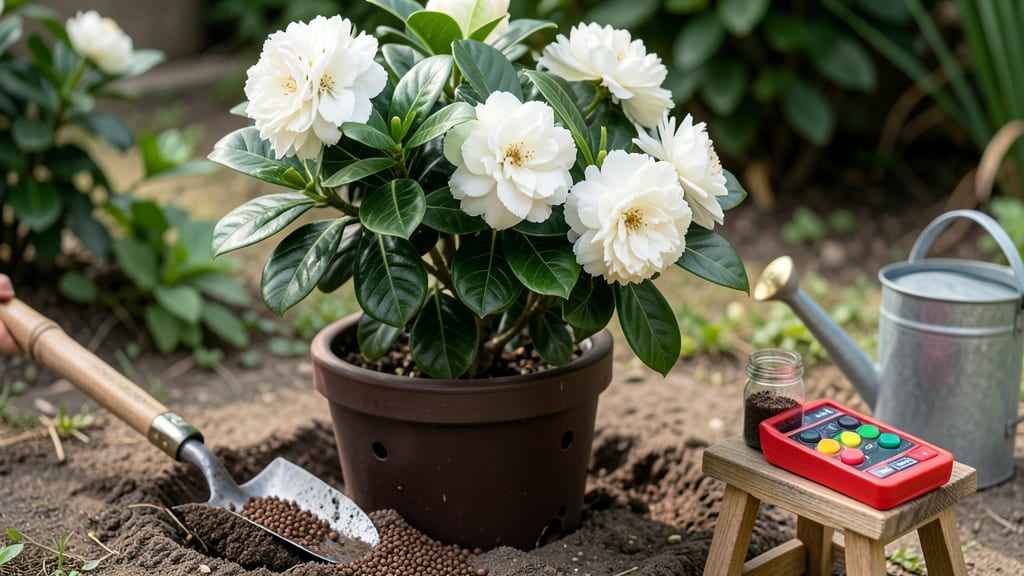
You fertilize gardenias in early spring and again after blooming to fuel those fragrant white flowers 🌸 — but timing is everything, or you risk stunting growth instead of boosting it.
Picture this: you’ve spent months nurturing your gardenia, only to see those buds drop before they open. The culprit? Fertilizing at the wrong time or using the wrong type.
Too much nitrogen in summer can lead to lush leaves but no blooms, while winter feeding shocks the plant into unnecessary growth.
In this guide, I’ll break down the exact seasonal schedule for gardenias in USDA Zone 6a and beyond, including when to switch to a light feed, how often to fertilize, and which types of fertilizer work best for acid-loving plants like yours.
You’ll also learn how to spot the signs of over- or under-fertilizing — because even the most beautiful 🌸 gardenias can suffer when the balance tips. Let’s get those blooms thriving!

Optimal fertilizing schedule for gardenias: spring vs fall timing explained
Timing your gardenia fertilization is like scheduling a spa day for your plant—do it at the wrong time, and you’ll leave it stressed and less vibrant. Gardenias thrive with two key fertilization windows: early spring and late fall.
These seasons align perfectly with their natural growth cycles, ensuring lush foliage and abundant blooms. The key is understanding why these times matter and how your local climate affects the schedule.
In early spring, gardenias wake from dormancy and begin pushing new growth. This is when they need nutrients most to fuel their root development and prepare for blooming season.
Conversely, late fall fertilization helps store nutrients for winter, though it’s often skipped in warmer climates where gardenias stay active year-round. Let’s break down the science behind these timings and how to adapt them to your region.
🌸 GARDENIA FERTILIZING SUMMARY TABLE 🌸
For gardeners in USDA Zones 7-10, the ideal schedule starts with a light feeding in early spring (March-April) using a slow-release fertilizer. This jumpstarts growth without overwhelming the plant.
In cooler climates (Zones 6 and below), delay until after the last frost—typically late April—to prevent fertilizer burn from cold soil. The goal is to align feeding with when roots become active again after winter dormancy.
Late summer (June-July) is another critical window, but this time for post-bloom recovery. After your gardenias finish flowering, they need nutrients to rebuild energy for next year’s blooms.
Use a balanced fertilizer (6-10-10 NPK ratio) at half strength to avoid overstimulating late-season growth, which can be vulnerable to frost in colder regions. In tropical zones (Zones 10-11), this feeding can extend into August to support continuous growth.
Many gardeners overlook fall fertilization, but in temperate climates, a light feeding in October helps gardenias store nutrients for winter. Skip this entirely in warm climates where gardenias stay active year-round—over-fertilizing can lead to soft, vulnerable new growth.
Instead, focus on soil amendments like compost to improve organic matter without the risk of nutrient burn.
Before fertilizing, always prepare the soil properly. Start by testing your soil’s pH—gardenias thrive in acidic soil (5.0-6.0). If your soil is too alkaline, amend it with sulfur or peat moss 2-3 weeks before fertilizing.
Next, loosen the top 6 inches of soil around the plant’s drip line (the edge of its canopy) to improve root access to nutrients. This is especially important for mature gardenias with dense root systems.
When applying fertilizer, never scatter granules on the soil surface—this can burn tender roots. Instead, create small trenches 2-3 inches deep around the plant’s perimeter and place the fertilizer inside. Gently cover with soil and water thoroughly.
For liquid fertilizers, dilute to half strength and apply in the early morning to prevent leaf scorch from afternoon sun. Always water before and after fertilizing to help nutrients penetrate the soil.
Watch your gardenia’s response closely after fertilizing. Healthy growth means dark green leaves and new shoots within 2-3 weeks. If you see yellowing leaves or wilting, you’ve likely over-fertilized—flush the soil with water immediately.
In contrast, pale leaves or sparse blooms signal under-fertilization. Adjust your schedule accordingly, remembering that less frequent, lighter feedings are better than heavy doses that stress the plant.
Pro tip: Keep a gardening journal to track your gardenia’s growth and fertilization dates. Note which months produce the most blooms and adjust future schedules accordingly.
Over time, you’ll develop a personalized routine that accounts for your unique climate, soil, and the specific needs of your gardenia variety—whether it’s the fragrant Gardenia jasminoides or a hardier hybrid like Radicans.
With the right timing and care, your gardenias will reward you with glossy leaves and intoxicating blooms all season long. The secret isn’t just what you fertilize with, but when and how you do it—and now you’ve got
Best fertilizer types for gardenias and how to apply them correctly
Choosing the right fertilizer for gardenias can make all the difference between sparse blooms and lush, fragrant flowers. Gardenias thrive with acid-loving fertilizers that mimic their natural soil conditions. The two main options—organic and synthetic—each offer unique benefits, depending on your gardening style and goals.
I’ve found that fish emulsion and slow-release granules are my top choices for gardenias. Organic options like fish emulsion provide a gentle nutrient boost, while synthetic blends (like azalea/camellia formulas) deliver precise NPK ratios tailored to blooming plants.
Let’s break down which works best and how to apply them without harming your plants.
When to Fertilize Gardenias: Pros & Cons
✅ Stimulates new root growth before blooming season
✅ Use light applications of slow-release fertilizer
✅ Supports post-bloom recovery and foliage growth
❌ Avoid heavy feeding—can cause leaf burn in heat
❌ Skip fertilization—plant enters dormancy
✅ Focus on mulching instead to protect roots
✅ Always water before fertilizing
❌ Never fertilize dry soil—risk of root damage
For organic fertilizers, I recommend using fish emulsion diluted to half-strength (1 tbsp per gallon of water). This gentle formula provides essential nitrogen, phosphorus, and potassium while improving soil microbial activity.
Apply it every 6-8 weeks during the growing season, starting in early spring. The key is consistency—gardenias respond better to frequent light feedings than heavy infrequent doses.
On the other hand, synthetic fertilizers like azalea/camellia blends offer precise NPK ratios (look for 6-10-10 or similar). These are ideal for gardeners who want quick results, as they dissolve rapidly.
However, I’ve learned the hard way that overapplying synthetic fertilizers can lead to salt buildup in the soil, which burns roots. Always follow package instructions and flush the soil with water after application.
One common mistake is fertilizing at the wrong time. I’ve seen gardeners rush to feed their plants in late summer, only to watch their leaves yellow and drop. The rule of thumb is: never fertilize after August in most climates, as gardenias need time to harden off before winter.
If you notice stunted growth or leaf drop, flush the soil with water immediately and hold off on fertilizing for at least 2 months.
To avoid over-fertilizing, I always test my soil’s pH first. Gardenias prefer acidic soil (5.0-6.0). If your soil is too alkaline, mix in sulfur or peat moss before applying fertilizer.
For established plants, a slow-release granular fertilizer spread around the root zone in early spring works wonders—just water it in thoroughly to activate the nutrients.
Remember, the goal is to feed your gardenia’s roots, not its leaves. Focus applications on the soil surface, keeping them 3-4 inches away from the trunk. With the right fertilizer and timing, your gardenias will reward you with abundant, fragrant blooms all season long. 🌸