
Fertilization
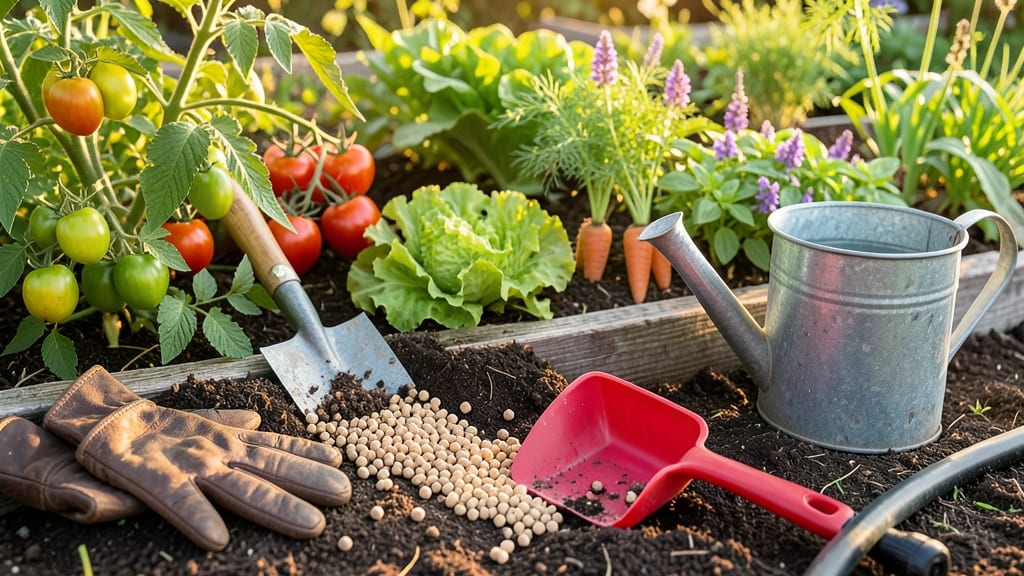
The best time to fertilize your garden is right before active growth begins in spring and every 4-6 weeks after that — but timing it wrong can mean wasted nutrients or even plant stress.
Picture this: you’ve just planted your 🌱 General Garden after the last frost, and the soil looks rich. But if you fertilize too early, you’ll burn tender roots. Too late, and your plants play catch-up all season.
The key is matching fertilizer to the plant’s natural rhythm — and knowing when to pause in heat or dormancy.
For Zone 6a gardens, that means a spring kickstart in April (after last frost) to fuel early growth, followed by mid-season boosts in June and July. Organic options like composted manure build soil slowly, while synthetic blends deliver quick results — but each has its own perfect window.
Below, I’ll break down the exact schedule by plant type and climate, plus the warning signs that tell you to hold off.
You’ll learn how to read your soil, choose the right fertilizer for each growth stage, and avoid the three biggest mistakes that drain your wallet and your garden’s potential. Let’s get those roots growing!

Seasonal fertilization schedule for optimal root development
Fertilizing your garden at the wrong time can stunt growth or even burn delicate roots, but strategic timing—especially in early spring—sets the stage for a thriving season. The key is understanding how plants absorb nutrients during their growth cycles, with root development peaking in spring and foliar growth dominating summer.
For most gardens in USDA Zones 5-8, the best time to fertilize is 4-6 weeks before planting and again every 4-6 weeks during active growth.
Early spring fertilization (March-April) focuses on phosphorus-rich amendments to encourage strong root systems. This is especially critical for vegetables like tomatoes and flowers like roses, which need deep roots to support heavy foliage.
In warmer climates (Zones 9+), you can start as early as February, while colder regions may wait until after the last frost (typically mid-April in Zone 6a).
Timing varies by plant type: Lawns benefit from early spring and fall feedings, while vegetables need mid-season boosts, and perennials often require pre-bloom fertilization. The table below breaks down the ideal schedule by season and plant category to maximize root health and yield.
For warm-season crops like peppers and cucumbers, delay fertilization until soil temperatures reach 60°F+—usually late May in Zone 6a. These plants are sensitive to cold soil, and early fertilization can stress their roots.
I always test my soil temperature with a soil thermometer before applying any nutrients to avoid shocking tender seedlings.
Organic gardeners should focus on compost and worm castings in early spring to improve soil structure before planting. These amendments release nutrients slowly, giving roots time to establish without the risk of nutrient burn.
For synthetic fertilizers, use a slow-release formula in spring and a quick-release option mid-season when plants show active growth signs like new leaves or blooms.
One common mistake is fertilizing dormant plants in winter or stressed plants during heatwaves. Always check for yellowing leaves (nitrogen deficiency) or purple stems (phosphorus deficiency) before applying fertilizer.
If your plants look healthy but aren't growing, the issue might be compacted soil or poor drainage—not a lack of nutrients.
In tropical climates (Zones 10-12), fertilization can continue year-round with monthly light feedings using a low-nitrogen formula (5-5-5). These regions don't have traditional "off-seasons," so plants benefit from consistent nutrient availability. For cool-season crops like lettuce and spinach,
Signs your garden needs fertilizer (and when to avoid it)
Your plants are the best indicators of whether they need extra nutrients. Yellowing leaves, stunted growth, or pale stems are classic signs your garden is hungry. These symptoms often appear when soil nutrients are depleted, especially after heavy harvesting or in fast-growing plants like lettuce or tomatoes.
But before reaching for that fertilizer bag, let's decode what your plants are really telling you.
Another red flag is slow recovery after pruning or transplanting. If your roses or herbs struggle to bounce back with new growth within 2-3 weeks, they may need a nutrient boost.
Even healthy-looking plants can benefit from a mid-season feeding to maintain vigor, particularly in high-yield gardens where nutrients get used up quickly.
⚠️ callout-warning ⚠️
- After transplanting: Wait 2-4 weeks to avoid root burn.
- During extreme heat: Plants can't absorb nutrients well above 90°F.
- When overwatered: Fertilizer just washes away in soggy soil.
- Late summer/fall: New growth won't harden off before frost.
Fertilizing at the wrong time can stress plants more than help. Always check soil moisture and plant health first!
Pay attention to leaf color patterns—yellowing between veins often signals nitrogen deficiency, while purple stems or undersides of leaves point to phosphorus or potassium shortages. Vegetable plants like peppers and eggplants show deficiency symptoms more dramatically than flowers, making them excellent early warning systems.
For example, tomatoes with yellow leaves and brown spots on fruit edges need potassium.
Don't ignore root-bound plants either. If you see roots circling the pot or growing out of drainage holes, your plant is starving for space and nutrients. This is common with container gardens and potted herbs.
In these cases, a gentle balanced fertilizer (like 10-10-10) applied to the soil surface can help, followed by thorough watering to distribute nutrients.
Seasonal timing matters too. Spring fertilization (after last frost) gives plants the boost they need to establish strong roots before summer heat sets in. In contrast, fall applications should be light to encourage root development without promoting tender new growth that won't survive winter.
Always match your fertilizer type to your plants' current needs—foliar sprays work well for quick fixes, while slow-release granules are better for long-term feeding.
Remember, healthy soil is the foundation of a thriving garden. Before fertilizing, test your soil pH and nutrient levels. If your soil is already rich in organic matter, you might only need a light feeding every 6-8 weeks.
The key is observing your plants regularly and responding to their specific needs rather than following a one-size-fits-all schedule.