
Fertilization
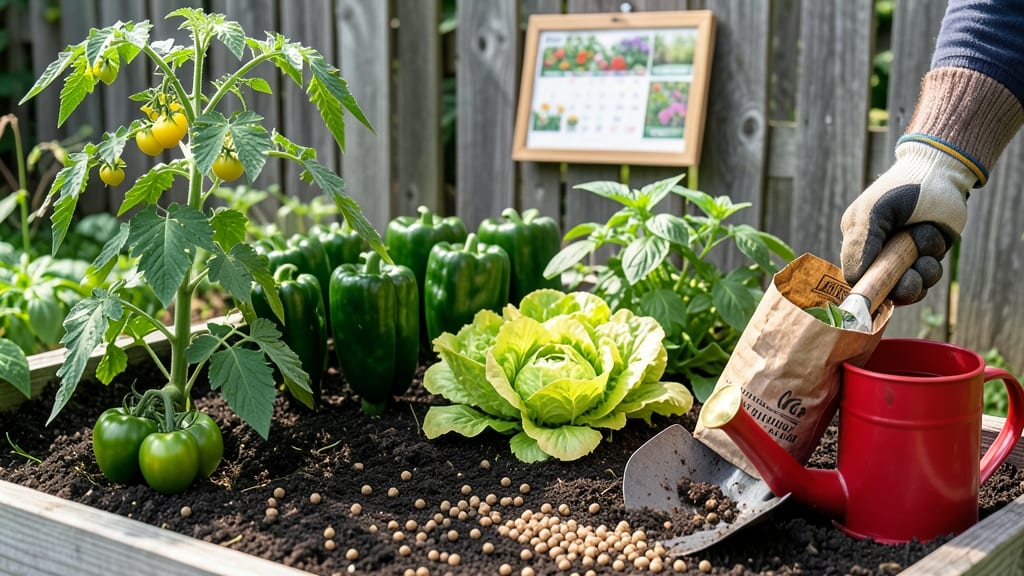
Should you fertilize your garden in spring, summer, or fall—and what happens if you get it wrong?
Timing your garden fertilization like a pro isn’t just about feeding plants—it’s about unlocking their full potential while avoiding costly mistakes that stunt growth or waste nutrients. A single misstep, like fertilizing too late in the season, can leave your 🌱 vulnerable to frost damage or even invite pests.
In Zone 6a, where frost lingers until mid-April and returns by mid-October, the best times to fertilize are early spring (March–May) and late summer (September). This aligns with when most plants are actively growing, not just surviving.
Below, I’ll break down the exact seasonal schedule for vegetables, flowers, and lawns—plus how to choose the right fertilizer for each stage, from root boosts in spring to gentle maintenance in summer.

Best times to fertilize your garden for maximum growth
Fertilizing your garden at the right time is like giving your plants a perfectly timed meal—too early or too late, and they won’t get the full benefit. Science shows that spring and fall are the golden windows for fertilization, but your climate zone can shift these timelines by weeks.
For example, in USDA Zone 6a, I start feeding in early March and finish by October, while warmer zones may extend this window. The key is aligning fertilization with your plants’ natural growth cycles, whether they’re focusing on root development, flowering, or fruiting.
Spring fertilization kickstarts new growth after winter dormancy, while fall applications help strengthen roots before cold weather. Over-fertilizing in late summer can lead to tender, frost-sensitive growth—something I’ve learned the hard way with my tomato plants in Zone 6a.
Understanding these rhythms ensures your garden thrives without wasting nutrients or inviting pests. Let’s break down the science-backed timing and how to adapt it to your local climate.
🌱
| Season | Best Time to Fertilize | Plant Focus | Climate Adjustment |
|---|---|---|---|
| Spring | Early March to May (Zone 6a) | Root growth & leafy foliage | Warmer zones: Start 2-4 weeks earlier |
| Summer | June (light feeding only) | Fruiting & flowering | Cooler zones: Skip or reduce |
| Fall | September to early October | Root strengthening | Southern zones: Extend to November |
| Winter | None (dormant season) | Soil regeneration | Mild winters: Light compost top-dress |
Spring fertilization is all about jumpstarting growth after winter’s dormancy. When soil temperatures hit 50°F (10°C), I apply a balanced fertilizer (like 10-10-10) to encourage root expansion and leafy green growth.
For vegetables like tomatoes and peppers, I add a second feeding 4-6 weeks later to support fruit development. This timing aligns with nature’s cycle—plants are primed to grow as daylight increases, and fertilization provides the extra nutrients they crave.
In Zone 6a, I’ve found that fertilizing too early (before last frost) can lead to wasted nutrients—plants may not be active enough to absorb them. Conversely, waiting too long risks stunted early growth.
The trick is to test soil moisture first; fertilizing dry soil can burn roots. I always water deeply 24 hours before and after applying fertilizer to help nutrients penetrate the soil.
Summer fertilization requires a gentler touch. Most plants are focused on producing flowers and fruit, not new leaves, so heavy feeding can lead to excessive foliage at the expense of harvests. I opt for a low-nitrogen, high-phosphorus fertilizer (like 5-10-10) to support blooming and fruiting.
For example, my roses get a light feeding in early June, while herbs like basil don’t need any summer fertilizer—they’re happy with compost tea instead.
Fall fertilization is often overlooked, but it’s critical for root health before winter. In September, I switch to a low-nitrogen, high-potassium fertilizer (like 5-5-10) to help plants store energy and resist disease.
This is especially important for perennials and fruit trees, which need strong roots to survive freezing temps. I stop fertilizing by mid-October in Zone 6a to avoid encouraging tender new growth that frost can damage.
Your climate zone plays a huge role in adjusting these timelines. In warmer zones (7b+), I might fertilize as early as February and extend fall feeding to November. Meanwhile, in cooler zones (5a and below), I delay spring feeding until late April and finish by September.
Always check your USDA zone map and observe local frost dates—these are your best guides. For instance, my neighbor in Zone 7b fertilizes her tomatoes in March, while I wait until mid-April
How to choose fertilizer based on plant type and season
Choosing the right fertilizer for your garden depends on what you're growing and when you're growing it. Vegetables like tomatoes and peppers need high-nitrogen feeds in spring, while perennials and lawns benefit from slow-release fertilizers in fall.
The wrong fertilizer at the wrong time can lead to weak growth or even plant stress.
Spring is all about new growth, so focus on balanced or nitrogen-rich fertilizers for vegetables and annuals. In fall, shift to phosphorus-potassium blends to strengthen roots before winter. Understanding these seasonal needs ensures your plants thrive without wasting resources.
For vegetables, I recommend starting with a quick-release nitrogen fertilizer in spring to jumpstart growth. Switch to a balanced or phosphorus-heavy feed when flowers appear to encourage fruiting. For example, tomatoes love a 5-10-10 blend when they start flowering.
Flowers often thrive with organic matter like compost or worm castings. These improve soil structure while providing steady nutrients. In fall, I add a low-nitrogen, high-potassium fertilizer to help plants store energy for next year’s growth.
Lawns are different—they need fall fertilization to build deep roots. A slow-release formula applied in late summer ensures nutrients last through winter. Avoid fertilizing in late fall or winter, as tender new growth can’t survive frost.
Always check your soil pH before choosing fertilizer. Acid-loving plants like blueberries need acidic soil, while tomatoes prefer slightly acidic to neutral. A simple soil test kit makes this easy.