
Pruning
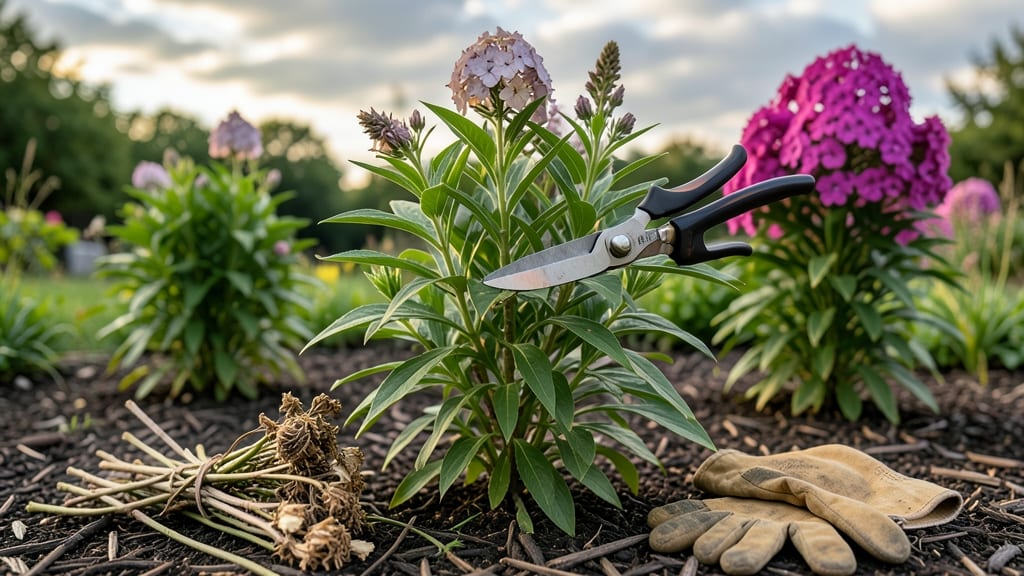
Cutting back garden phlox 🌸 after the first frost but before hard freeze is the secret to next year’s showstopping blooms.
Struggling to decide when to trim your garden phlox? Cutting too early or too late can stunt next year’s vibrant blooms—and even invite pests. The perfect timing is a late-fall secret that most gardeners miss, and we’re revealing it here.
In USDA Zone 6a, where garden phlox thrives, the window is narrow: after your first frost (around mid-October for most) but before temperatures dip below 20°F. This timing protects your plant from winter dieback while giving it time to rest before spring growth.
Below, you’ll find the exact steps to prune your phlox, the tools you’ll need, and how to adjust for your specific climate zone—so you can wake up to a garden bursting with color next spring.
The exact late-fall timing for cutting back garden phlox
Your garden phlox (Phlox paniculata) thrives when pruned at the perfect late-fall moment—a window that balances disease prevention and next-year’s blooms. Cut too early, and you risk inviting fungal infections like powdery mildew.
Wait too long, and frost-damaged stems become a haven for pests. The ideal time? After your first light frost but before a hard freeze locks the soil.
This timing isn’t just guesswork—it’s rooted in plant biology. When phlox enters dormancy after frost, its energy shifts underground. Pruning 3-4 weeks post-frost removes dead foliage while leaving the roots intact to store nutrients for spring.
Think of it as giving your phlox a clean slate without shocking its system.
But how do you know when that window opens in your area? The answer lies in your USDA hardiness zone. In Zones 3-5, aim for mid-to-late November. Gardeners in Zones 6-8 should wait until December, while Zones 9-10 can prune as late as January.
The key is to act before the ground freezes solid—roots still need to breathe.
| Climate Zone | First Frost Window | Prune Window | Key Sign |
|---|---|---|---|
| Zones 3-5 | Mid-October | Mid-November | Leaves turn brown |
| Zones 6-8 | Late November | December | Ground frost visible |
| Zones 9-10 | December | January | No new growth |
Don’t rely solely on dates—watch for visual cues instead. The perfect moment arrives when 70-80% of foliage has browned but stems remain upright. If you prune too soon, you’ll remove photosynthetic leaves that still contribute to root energy.
If you wait too long, the stems may shatter in freeze-thaw cycles, leaving a messy bed.
Pro tip: Use a thermometer to track nighttime temps. Prune when lows dip to 28-32°F but highs stay above freezing. This ensures the plant is dormant but not frozen.
In my Zone 6 garden, I’ve found that early December is ideal—just after the first hard frost but before the ground locks up.
What if you miss the window? No panic! A light pruning in early spring (before new growth emerges) can salvage your phlox. But late-fall timing is critical for maximizing next year’s blooms.
The earlier you prune in fall, the more time roots have to replenish energy reserves before spring’s growth surge.
Here’s a quick reality check: If your phlox still has green leaves in December, it’s not ready. Wait until all foliage is crispy but stems are still standing. This balance ensures you’re cutting dead material while preserving the plant’s structural integrity for winter.
One common mistake? Pruning too aggressively—cutting stems down to the ground. Instead, leave 2-3 inches of stem above the soil. This stub helps protect the crown from temperature swings and prevents soil-borne diseases from splashing up during winter rains.
After pruning, mulch heavily with 3-4 inches of straw or shredded leaves. This insulates roots while suppressing weeds. In my experience, mulched phlox reblooms 2-3 weeks earlier the following season because the roots stay warmer and more active.
Remember: Phlox is a perennial, meaning it comes back year after year. The late-fall prune isn’t just about tidiness—it’s an investment in healthier, more vigorous growth for seasons to come.
With the right timing, your phlox will reward you with denser stems, bigger blooms, and fewer pests—all from a simple cut in the off-season. 🌸
What to do (and avoid) when pruning phlox for healthy growth
Pruning garden phlox properly is the difference between lush blooms next season and a struggling plant. The key lies in precision cuts and knowing what to avoid—like cutting too aggressively or at the wrong time.
I’ll walk you through the exact steps to follow, plus the common mistakes that can harm your plants. Grab your pruners, and let’s get started!
First, always use sharp, clean pruners to make clean cuts. Dull blades can crush stems, inviting disease. I recommend bypass pruners for larger stems and hand pruners for smaller branches. Disinfect your tools with rubbing alcohol before and after pruning to prevent spreading fungal spores or bacteria between plants.
When you’re ready to prune, focus on removing dead or diseased foliage first. Look for brown, crispy leaves or stems with black spots—these are red flags. Cut these back to healthy green tissue, which is usually about ¼ inch above a leaf node.
This encourages new growth while keeping your phlox looking tidy.
Next, trim back the current season’s growth by about one-third. Never cut into old wood, as phlox blooms on new growth from the current year’s stems.
For woodland phlox varieties, you can be slightly more aggressive, but for garden phlox, stick to this rule to avoid stunting next year’s flowers.
⚠️ CRITICAL MISTAKES TO AVOID WHEN PRUNING PHLOX
Cutting too early (before late fall) removes next year’s flower buds. Over-pruning can leave your plant vulnerable to winter damage or pests. Never cut into old wood—this kills the plant’s ability to bloom. Always prune after the first frost but before hard freeze to protect tender new growth.
One of the biggest mistakes I see is cutting at the wrong angle. Always make cuts at a 45-degree angle, about ¼ inch above a leaf node. This prevents water from pooling on the cut, which can lead to rot.
If you’re unsure where the leaf node is, look for a small bump or swelling on the stem—this is where new growth emerges.
After pruning, mulch around the base of your phlox with 2-3 inches of organic mulch, like shredded bark or straw. This helps insulate the roots during winter and retains moisture.
Avoid piling mulch directly against the stems, as this can cause rot. Water your phlox lightly after pruning to help it recover, but avoid soaking the soil.
Finally, monitor your phlox throughout the growing season for any signs of stress or disease. If you notice yellowing leaves, wilting, or unusual spots, act quickly. Often, the issue can be fixed with proper watering, fertilizer adjustments, or targeted pruning.
With the right care, your phlox will reward you with vibrant blooms year after year!