
How To
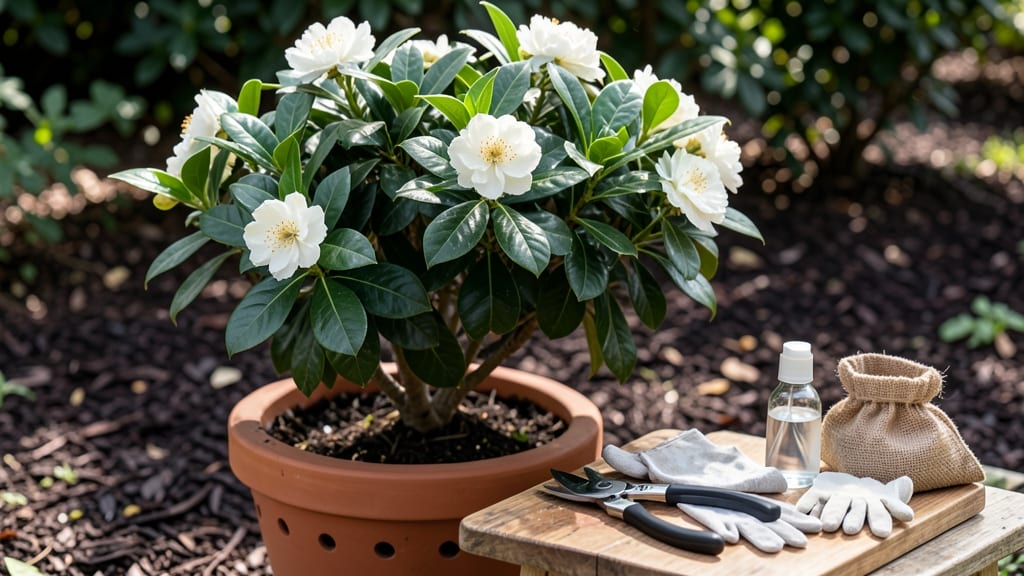
Cutting back your gardenia bush at the right time ensures vibrant spring blooms and keeps it thriving for years to come 🌸.
If your gardenia bushes look a little ragged after winter, you might be pruning at the wrong time. The key to reviving their natural beauty lies in late winter, when the frost has passed and new growth is about to begin.
In USDA Zone 9b and warmer climates, aim for February or early March—just as buds start to swell. For cooler zones (7a-11), wait until after the last frost to avoid shocking the plant. This timing helps shape the bush, encourages healthy blooms, and keeps pests at bay.
Below, I’ll walk you through the exact steps, tools, and climate-specific tips to prune your gardenia like a pro—so you can enjoy those fragrant white flowers all season long.
Best late winter timing for pruning gardenia bushes
Pruning your gardenia bushes at the right time can transform their growth and blooming potential. The ideal window is late winter—right after the last frost but before new growth begins.
This timing prevents pruning shock while encouraging lush spring blooms. Understanding your climate zone is key, as regional differences can shift this window by weeks.
In USDA Zone 9b (like Florida or Southern California), late winter means February to early March. Here, gardenias stay active year-round, so pruning too early risks stressing the plant.
For cooler zones (7a-8b), wait until March or April when frost danger has passed. Always check local frost dates to avoid cutting back too soon.
Why this timing? Gardenias bloom on old wood, meaning last year’s growth produces this year’s flowers. Pruning too late risks removing next season’s buds. Conversely, pruning too early in cold climates can expose tender growth to frost damage.
The goal is to shape the plant while preserving its flowering potential.
| Climate Zone | Best Pruning Window | Key Consideration |
|---|---|---|
| USDA 9b-11 (No Frost) | Late February - Early March | Prune after warm spells, avoid rainy periods |
| USDA 8a-8b (Mild Winters) | Mid-March - Early April | Wait for consistent 60°F+ nights |
| USDA 7a-7b (Cold Winters) | Late April - Early May | Prune after last frost date (check local records) |
| Potted Gardenias (All Zones) | Indoor: Late Winter (Feb) | Move to bright light after pruning |
For potted gardenias, late winter pruning works best when you move them indoors before cold snaps. Prune when you notice new buds forming—this signals the plant is waking up.
In-ground gardenias should be pruned after the soil warms to 60°F+ consistently. Use your finger to check soil temperature at a 2-inch depth.
Watch for visual cues like swollen buds or fresh green leaves. These indicate the plant is ready for pruning. Avoid cutting back if your gardenia still looks dormant—wait another 2-3 weeks.
In warmer climates, you might see early growth as soon as January, while cooler zones may need to wait until May.
If you missed the late-winter window, don’t panic. Light pruning in early spring (just before blooms appear) is better than no pruning at all. However, heavy pruning after buds form will reduce next year’s flowers.
Always prioritize shape over size—gardenia bushes respond best to gradual thinning rather than drastic cuts.
After pruning, give your gardenia a balanced fertilizer (like 10-10-10) to support new growth. Water deeply but avoid soggy soil, which can cause root rot. Mulch around the base to retain moisture and protect roots from temperature swings. Within 6-8 weeks, you should see fresh green growth signaling successful pruning.
Remember: gardenia bushes reward patience. The late-winter timing might feel counterintuitive, but it’s the secret to vibrant spring blooms and a healthier plant. Mark your calendar now—this year’s pruning could make all the difference for next summer’s fragrance-filled garden. 🌸
Step-by-step guide to pruning gardenia bushes for maximum blooms
Pruning your gardenia bushes is the secret to encouraging those fragrant, creamy-white blooms you adore. The right technique ensures your plant stays healthy and lush while preventing stress. I’ll walk you through every step—from the tools you’ll need to the cutting techniques that make all the difference.
Start by gathering your pruning tools: a pair of sharp, sterilized shears or pruning saw for thicker branches. Avoid dull tools, as they can tear the bark and invite disease. Wipe your tools with rubbing alcohol before and after use to keep your gardenia disease-free.
Now, let’s focus on the two key pruning methods for gardenias: thinning and heading back. Thinning involves removing entire branches to improve airflow, while heading back trims the tips to encourage bushier growth. Both methods work together to keep your gardenia compact and blooming.
Step-by-Step Pruning Guide
- Step 1: Identify dead or diseased branches—cut these first at the base using clean cuts at a 45-degree angle.
- Step 2: Thin out crowded branches by removing 1/3 of the oldest wood to promote new growth and improve airflow.
- Step 3: Head back the tips of remaining branches to encourage bushier growth. Trim just above a leaf node or bud.
- Step 4: Shape your gardenia by lightly trimming overgrown areas to maintain a balanced, rounded form.
- Step 5: Clean up by removing all pruned debris from the base to prevent pests and disease.
After pruning, your gardenia will need some extra care to recover. Water deeply to help it establish new roots and apply a balanced, acidic fertilizer (like 10-10-10) to support regrowth. Avoid heavy feeding right after pruning—wait 4-6 weeks to let the plant heal.
Monitor your gardenia closely in the weeks following pruning. Look for new shoots emerging from the branches—this is a sign of healthy regrowth. If you notice yellowing leaves or wilting, it may indicate pruning shock.
In this case, reduce watering slightly and provide light shade until it recovers.
With the right timing and technique, your gardenia will thank you with a stunning display of blooms come spring. Pruning isn’t just about shaping—it’s about revitalizing your plant for years of fragrant beauty. 🌸