
How To
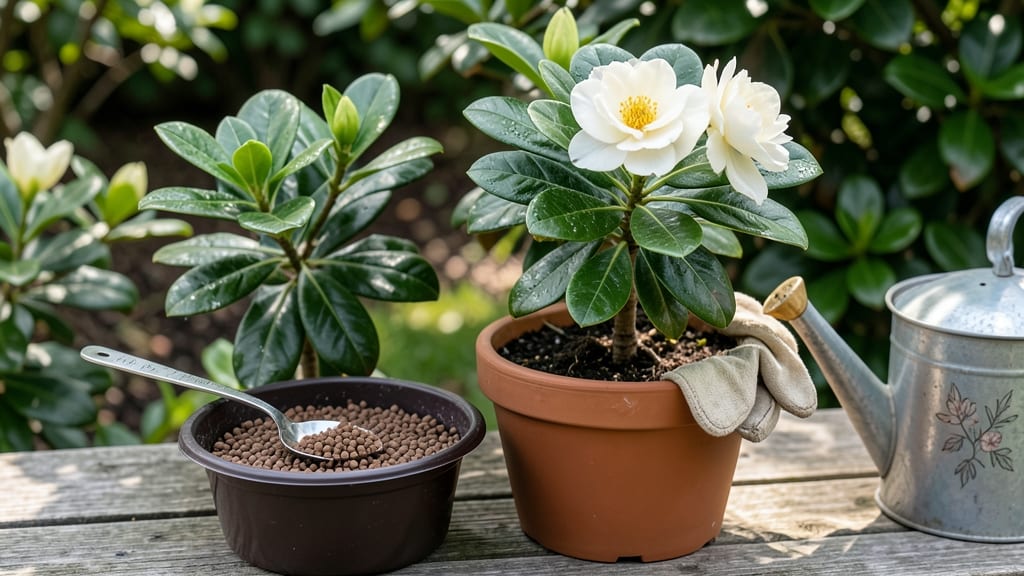
To fertilise gardenias at the right time means the difference between fragrant blooms and wilted leaves—and the key window starts in early spring.
Picture this: you’ve nurtured your 🌸 gardenia all winter, but when spring arrives, it’s still sparse and sluggish. That’s because fertilising too early or too late can stunt growth or even burn roots. The secret? A precise schedule that aligns with your plant’s natural cycle—and your climate zone.
In General (Tropical/Subtropical) regions like USDA zones 9–11, gardenias thrive with a spring kickstart in March, followed by light feedings through summer. But if you live in a cooler microclimate, timing shifts slightly.
I’ll break down the exact months to feed, the best fertiliser types, and how to spot when you’ve overdone it.
By the end, you’ll know not just when to fertilise, but how much, what to use, and the simple tricks to keep your gardenia blooming like a pro—no guesswork included.
Optimal fertilising seasons for gardenias: spring vs summer vs fall
Timing your gardenia fertilisation is the secret to abundant blooms and healthy foliage. These tropical beauties thrive on a seasonal feeding schedule that aligns with their natural growth cycles.
In spring, focus on kickstarting growth, while summer supports continuous blooming. Fall becomes a lighter feeding period to prepare for dormancy. But here’s the catch: your climate zone drastically alters these timings.
For example, gardenias in tropical zones (USDA 10-11) can bloom year-round, requiring monthly feeding with lighter applications. Meanwhile, temperate climates (USDA 8-9) demand a stricter spring-summer focus, while Mediterranean zones may need fall fertilisation to offset winter dry spells.
Let’s break down the perfect fertilisation calendar for your gardenia’s success.
In spring, gardenias wake up from dormancy and need a nutrient kickstart. For tropical zones, begin feeding in late February with a high-nitrogen fertiliser to encourage leafy growth.
In temperate climates, wait until March after the last frost risk has passed. This is your pre-bloom window, so avoid overdoing it—stick to every 4-6 weeks.
During summer, your gardenia’s energy shifts to flower production. In tropical zones, switch to a low-nitrogen, high-phosphorus fertiliser to fuel blooms without excessive leaf growth. Temperate gardenias respond well to a balanced NPK (like 10-10-10) applied every 8 weeks.
Pro tip: avoid fertilising in peak heat (midday temperatures above 90°F) to prevent root burn.
As fall arrives, gardenias in temperate zones begin preparing for dormancy. Reduce fertilisation to
Signs your gardenia needs fertiliser (and when to avoid it)
Your gardenia sends clear signals when it craves nutrients—yellowing leaves, slow growth, or fewer blooms than usual are classic cries for help. These signs often appear when your plant isn’t getting enough phosphorus or micronutrients like iron, which gardenias love.
But before you reach for that fertiliser, check for other stressors like underwatering or poor soil drainage, which can mimic nutrient deficiency.
Pay attention to the leaf color—pale green or yellowing between veins often means iron deficiency, while dark green but sparse foliage could signal nitrogen starvation. Even buds that drop before opening are a red flag.
If your gardenia looks weak but not stressed (no wilting or crispy edges), it’s likely time to fertilise. But if you see burnt leaf tips or root damage, you’ve overdone it.
- Yellowing leaves (not from pests)
- Slow growth or stunted branches
- Fewer blooms than previous seasons
- Pale green foliage (iron deficiency)
- Bud drop before opening
- Burnt leaf tips or crispy edges
- Root damage (black/mushy roots)
- Overly lush growth with no blooms
- Wilting despite regular watering
- Winter months (November–February)
If your gardenia is over-fertilised, you’ll notice leaf burn (brown, crispy edges) or root damage—roots may appear black or mushy when checked. This happens when excess salts build up in the soil, blocking water and nutrients.
To fix it, flush the soil with water for 10–15 minutes to leach out excess fertiliser, then hold off on feeding for 6–8 weeks to let the plant recover.
For under-fertilised gardenias, focus on a balanced acid-loving fertiliser (like 10-10-10 or 8-3-9) applied every 4–6 weeks during spring and summer. Use half the recommended dose if your plant is new or recovering from stress. Always water deeply after fertilising to help nutrients reach the roots without burning them.
Seasonal timing matters too—spring feeding (March–April) kickstarts blooms, while summer feedings (June–August) maintain them. Skip fertiliser in fall and winter unless your gardenia is in a tropical climate with year-round growth. Observe your plant’s growth patterns to fine-tune your schedule.
Remember, healthy soil is half the battle. Test your soil’s pH (5.0–6.5) and organic matter—gardenias thrive in acidic, well-draining conditions. If your soil is compacted or alkaline, amend it with peat moss or sulfur before fertilising for best results.