
Shrubs
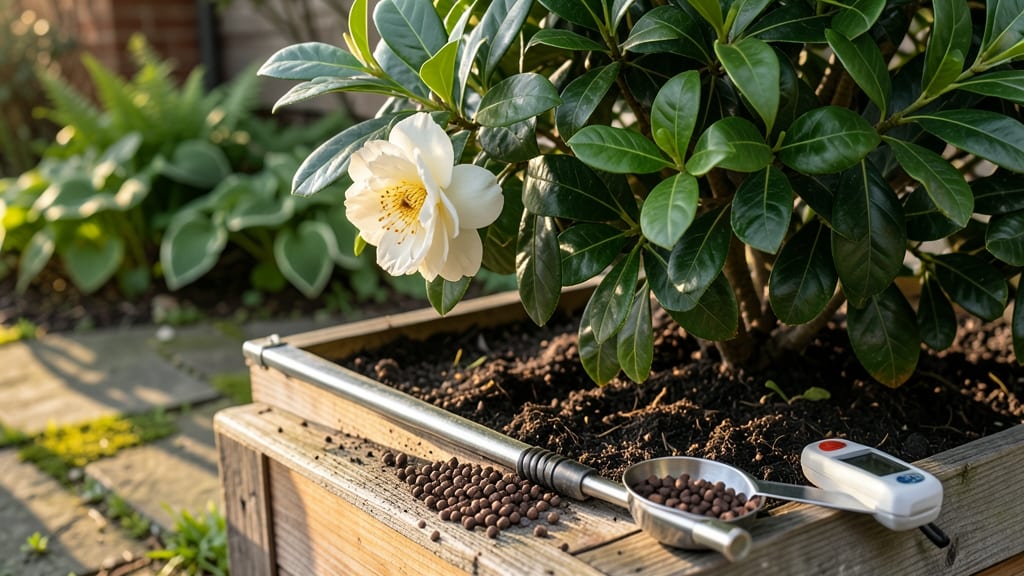
To fertilize gardenias at the right time means blooms so fragrant they’ll draw neighbors to your yard — and the key window is just after the last frost, when new growth is ready to thrive.
Picture this: you’ve waited all winter for those glossy, dark green leaves to perk up, only to add fertilizer too soon and watch your plant wilt or fail to bloom.
The timing isn’t just about the calendar—it’s about reading your gardenia’s cues, from fresh spring shoots to the first signs of bud formation.
Most gardeners miss the two critical feedings: a light dose in early spring to kickstart growth and a stronger one in late summer to fuel fall blooms. But here’s the catch—your climate zone and soil type can shift those windows by weeks.
I’ll walk you through the exact schedule, plus how to spot when your plant is begging for nutrients (or screaming for a break).
By the end, you’ll know not just when to fertilize, but how much, what type to use, and the one mistake that turns your gardenia’s leaves yellow overnight. Let’s get those 🌸 blooms back in full force.

Best times to fertilize gardenias for maximum blooms
Your gardenias deserve that lush, fragrant bloom you adore, but timing is everything. Fertilizing at the wrong time—like mid-summer or late fall—can shock roots or waste nutrients. The sweet spot is spring and fall, when gardenias naturally shift between growth and dormancy.
Science shows these seasons align with their root activity cycles, ensuring nutrients fuel blooms without stress.
In warm climates (Zones 8-10), gardenias grow year-round, so you’ll adjust timing slightly—think early spring and late summer instead. But in cooler regions (Zones 6-7), the classic spring/fall rule applies strictly. The key is matching fertilizer with your plant’s natural rhythm, not the calendar.
Here’s how to tell if your gardenia needs fertilizer: yellowing leaves, sparse blooms, or slow growth. These signs mean it’s time to feed—just not in winter! Gardenias rest then, and feeding disrupts dormancy. Let’s break down the perfect schedule for your climate and blooms.
Spring feeding jumpstarts growth after winter dormancy. Use a balanced acidic fertilizer (like 6-6-6) to encourage both foliage and blooms. In warm climates, start earlier—March instead of April—to match your gardenia’s extended growing season. Think of it as giving your plant a head start before summer heat.
Fall fertilization is often overlooked but critical. A low-nitrogen feed (like 5-10-10) in early fall helps roots store nutrients for next year’s blooms. Skip this in cool climates if frost arrives by October—your gardenia won’t need it. The goal? Prep for dormancy, not stimulate new growth.
Signs you’re over-fertilizing include crispy leaf edges or yellowing between veins. These are red flags to halt feeding immediately and flush soil with water. Gardenias hate salt buildup from excess fertilizer, so always follow package rates—1 tbsp per plant is plenty for mature shrubs.
For container gardenias, reduce fertilizer by half since roots have less soil to absorb nutrients. Also, monitor soil pH—gardenias thrive in acidic soil (5.0–6.0). If your soil tests higher, amend with sulfur or peat moss before fertilizing. pH matters more than timing for these finicky shrubs.
Pro tip: Pair spring feeding with a 2-inch layer of mulch to retain moisture and cool roots. In summer, mulch also blocks weeds that compete for nutrients. This simple step boosts fertilizer efficiency by up to 30%, according to horticultural studies.
Now you’ve got the perfect schedule—but remember, gardenias reward patience. Over-enthusiastic feeding leads to fewer blooms, not more. Stick to the plan, and your gardenias will thank you with glossy leaves and fragrant blooms all season.
Step-by-Step guide: how to fertilize gardenias correctly
Fertilizing your gardenias the right way ensures vibrant blooms and healthy foliage. But timing and technique matter—too much fertilizer can burn roots, while too little leaves your plant struggling.
I’ll walk you through the exact steps to fertilize gardenias without stressing them, from choosing the right product to post-application care.
Gardenias thrive on balanced, acidic fertilizers with a 6-6-6 or 8-3-9 NPK ratio. Organic options like fish emulsion or cottonseed meal work well, but synthetic slow-release granules are also effective. The key is moderation—never exceed the recommended dose, or you’ll risk root damage and leaf burn.
- 📅 Step 1: Choose the Right Time – Fertilize in early spring (March-April) and late summer (August-September) for maximum bloom potential. Avoid fertilizing in winter or during active blooming.
- 🌱 Step 2: Test Soil pH – Gardenias love acidic soil (pH 5.0-6.5). Use a soil test kit to check levels before fertilizing. If pH is too high, amend with sulfur or peat moss.
- ✂️ Step 3: Prune Lightly – Trim any dead or overgrown branches before fertilizing to redirect energy to new growth. Focus on outer branches to encourage a fuller shape.
- 💧 Step 4: Water Thoroughly – Soak the soil 1-2 days before fertilizing to ensure roots are hydrated. This helps prevent fertilizer burn and improves nutrient absorption.
- 🌾 Step 5: Apply Fertilizer Evenly – Sprinkle 1 tablespoon of granular fertilizer (or diluted liquid) around the drip line (not the trunk). Gently scratch it into the top 1-2 inches of soil.
- 🌧️ Step 6: Water Again – Immediately water the soil to activate the fertilizer and wash away any excess that could harm roots. Aim for 1 inch of water to settle nutrients.
- ☀️ Step 7: Monitor for 2 Weeks – Watch for yellowing leaves or wilting, which may signal over-fertilization. If this happens, flush the soil with water to dilute excess nutrients.
After fertilizing, your gardenia will need consistent moisture to absorb nutrients efficiently. Water deeply every 3-5 days, ensuring the soil stays evenly damp but not soggy. Avoid wetting the leaves to prevent fungal diseases like powdery mildew, which can stress the plant further.
For organic gardeners, consider using compost tea or worm castings as a gentle, nutrient-rich alternative. These options provide slow-release nutrition without the risk of chemical burn. Reapply every 6-8 weeks during the growing season to maintain soil health.
Remember, gardenias are sensitive to over-fertilization. If you notice brown leaf edges or stunted growth, cut back on fertilizer and focus on proper watering and pruning instead. With the right approach, your gardenias will reward you with fragrant, lush blooms all season long.