
Fertilization
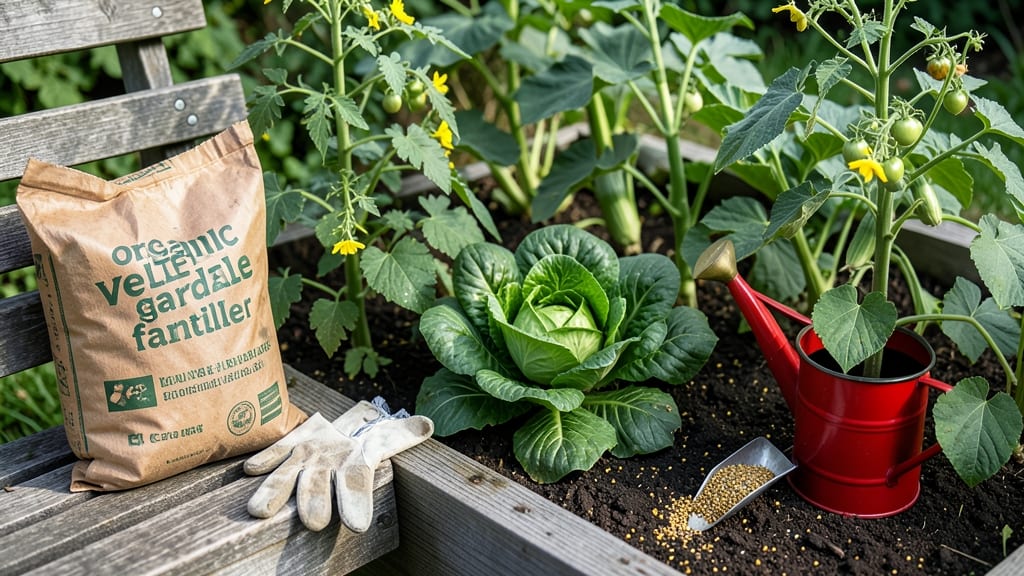
To fertilize your veg garden at the right times means the difference between lush, productive plants and struggling seedlings—spring and fall are the two critical windows that set the stage for the whole season.
Picture this: you’ve just planted your 🥬 vegetable garden in March, and the soil looks rich, but without the right timing, those nutrients might as well be invisible to your crops.
Too early, and you risk burning delicate roots; too late, and your plants play catch-up all season. The key is feeding them when they’re ready to use it—not before or after.
This guide breaks down the exact moments to fertilize, from pre-planting boosts to mid-season feeds, and why fall is just as important as spring (hint: it’s all about preparing for next year’s harvest).
We’ll also cover organic vs. synthetic fertilizers, soil testing shortcuts, and the one mistake that kills more gardens than pests do.
By the end, you’ll have a clear, season-by-season schedule that saves you money, time, and the frustration of wondering why your tomatoes still look half-starved in July. Let’s get those roots growing!

Spring fertilization schedule for vegetable gardens: when and how to feed new growth
Spring is the most critical time to fertilize your vegetable garden because it kickstarts root development and sets the stage for maximum yields. Most plants need nutrients before they even sprout, so timing matters more than you might think.
I’ve learned that skipping this step often means weaker plants that struggle to fight pests or drought later in the season.
Before you grab that fertilizer bag, though, test your soil. A simple home test kit (or lab analysis) reveals your soil’s pH and existing nutrient levels. Most vegetables thrive in slightly acidic to neutral soil (pH 6.0-7.0).
If your soil is deficient in nitrogen, phosphorus, or potassium, you’ll know exactly what to supplement—saving you money and preventing over-fertilization.
Here’s my go-to spring fertilization schedule based on years of trial and error, broken down by plant type and growth stage. The key is feeding at the right time: pre-planting, early growth, and flowering/fruiting. Let’s dive into the details.
🌱 Visual Guide: Spring Fertilization Timeline
For leafy greens like spinach and lettuce, I focus on high-nitrogen fertilizers early in the season to encourage rapid leaf production. A quick top-dressing of alfalfa meal (1 lb per 100 sq ft) does the trick without burning tender shoots.
I’ve seen spinach grow from seed to harvest in just 30 days with this method!
On the other hand, tomatoes and peppers need a different approach. These heavy feeders benefit from a phosphorus-rich fertilizer (like bone meal) when they start flowering. I apply it 2-3 inches away from the stem to avoid root burn.
Pro tip: Side-dress with compost tea every 2 weeks to keep nutrients flowing without overloading the soil.
Organic fertilizers like compost, worm castings, and fish emulsion release nutrients slowly, making them ideal for spring feeding. They also improve soil structure, which is crucial for root development. Synthetic fertilizers, however, offer immediate nutrient spikes—perfect for correcting deficiencies quickly. I often use a mix of both: <
Fall fertilization strategy: preparing soil for winter crops and next year’s harvest
Fall is the perfect time to give your vegetable garden a nutrient boost for winter crops and next year’s harvest. While many gardeners focus on spring fertilization, fall offers a strategic window to improve soil health without stressing plants.
Hardy vegetables like kale, spinach, and carrots thrive with late-season nutrients, and your soil will thank you for the prep work.
Timing is everything in fall fertilization. Applying nutrients too late can lead to tender new growth vulnerable to frost, while fertilizing too early misses the opportunity to support winter-hardy crops.
The ideal window is 6-8 weeks before your first frost, typically between late August and mid-October in most climates. This timing ensures nutrients are available for late-season harvests while also enriching the soil for spring planting.
⚖️ Fall Fertilization: Pros and Cons
- Boosts winter crops: Supports hardy greens like kale
- Enriches soil: Adds organic matter for next spring
- Prevents erosion: Mulch holds nutrients in place
- Encourages microbes: Cooler temps boost beneficial soil life
- Late timing risks: New growth can frost before harvest
- Over-fertilizing danger: Can burn roots in cool soil
- Limited uptake: Plants grow slower in fall, absorbing fewer nutrients
- Waste potential: Unused nutrients leach if applied too early
🌱 Key Tip: Use slow-release fertilizers or compost in fall to avoid nutrient runoff.
For winter crops, focus on nitrogen-rich fertilizers like compost or fish emulsion to support leafy growth. Apply a 1-inch layer of compost around plants in early fall, then top with 2-3 inches of mulch to protect roots and retain moisture.
This dual approach feeds your plants while insulating the soil—critical for regions with early frosts.
Slow-release fertilizers are ideal for fall because they feed plants gradually without risking nutrient burn. Look for organic options like bone meal (for phosphorus) or kelp meal (for potassium), which support root development and cold hardiness.
Avoid synthetic fertilizers with high nitrogen content late in the season, as they can stimulate tender growth that won’t survive frost.
Don’t forget to test your soil before fertilizing. A simple pH test (aim for 6.0–7.0 for most veggies) ensures you’re addressing deficiencies. If your soil is already nutrient-rich, skip the fertilizer and focus on compost and mulch instead.
Over-fertilizing in fall can lead to nutrient imbalances and even plant stress as temperatures drop.
As the weather cools, shift your focus to soil protection. After your last fertilizer application, add a thick layer of straw or leaf mulch to insulate the soil. This practice preserves moisture, regulates temperature, and prevents erosion—all while keeping nutrients in place for next year’s crops.
By late fall, your garden will be prepped and protected, ready to burst into growth when spring arrives.