
Picking
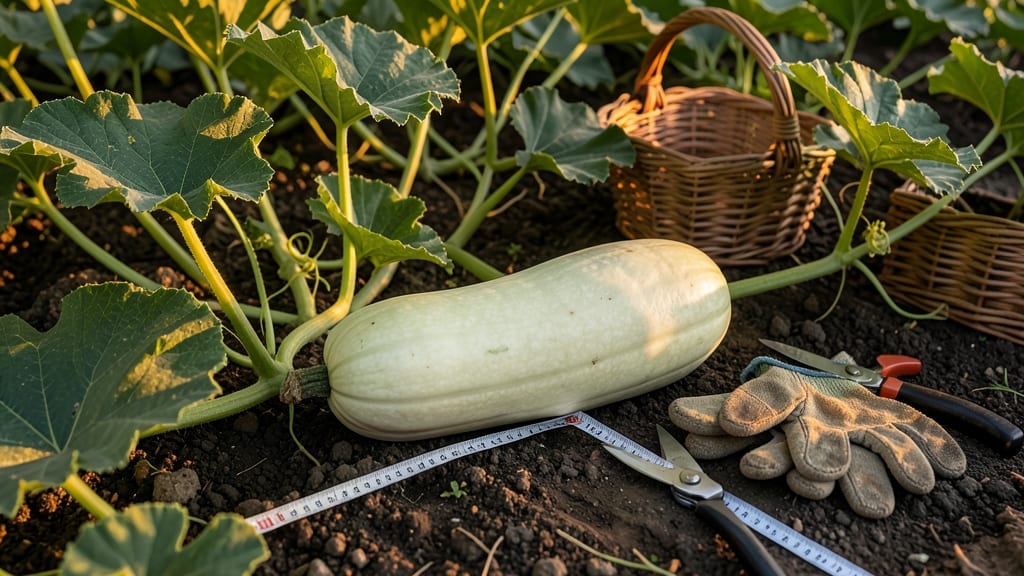
Harvesting spaghetti squash from your garden at the right time turns a tough, stringy mess into tender, noodle-like strands that melt in your mouth.
Picture this: you’ve waited months for your 🎃 to ripen, only to cut into it and find the flesh still hard or the seeds oversized. That’s the difference between a perfect harvest and a disappointing one—and it all comes down to timing.
In USDA Zone 6a, where frost can sneak in by late October, knowing the exact cues—like a dull yellow rind or a stem that snaps cleanly—means you’ll pull them just as they peak.
Miss these signs, and you might end up with squash that’s either underripe or too mature for prime eating.
Below, I’ll walk you through the five key indicators that your spaghetti squash is ready, how to harvest it without damaging the vine, and what to do if you’re a day (or a week) too early—or too late.
5 Visual and physical signs your spaghetti squash is ready to harvest
Spaghetti squash thrives when left on the vine just long enough to develop its signature tender, stringy interior. But how do you know when it's perfect? Overlooking ripeness cues can lead to tough, bitter squash that's nearly inedible.
The key is watching for 5 clear visual and physical signs that signal peak ripeness—before the first frost arrives.
First, pay attention to the rind color. Unlike butternut squash, spaghetti squash starts bright green and matures to a dull yellow or tan hue.
This color shift indicates the squash has absorbed maximum sunlight and nutrients. If you're still seeing green patches, it needs more time on the vine.
Next, check the stem. A ripe spaghetti squash will have a stem that snaps cleanly when twisted gently. If it resists or pulls away with the fruit, it's not ready. This test is crucial because a dry, brittle stem means the squash has fully matured and stopped drawing nutrients.
- 1. Rind Color: Dull yellow/tan (not shiny green)
- 2. Stem Test: Snaps cleanly when twisted
- 3. Size & Weight: 8-12 lbs, feels heavy for its size
- 4. Firmness: Rind resists thumbnail pressure
- 5. Seed Cavity: Hollow sound when tapped near stem
Size and weight are also telling clues. A fully ripe spaghetti squash typically weighs between 8 to 12 pounds and feels heavy for its size. If you're lifting it and it feels surprisingly light, it's likely still maturing.
Pro tip: Compare it to store-bought squash—your homegrown should be larger and denser.
For a firmness test, press your thumbnail into the rind near the stem. If it doesn't dent easily, the squash is ready. A soft spot means it needs more time. This test is especially important because overripe squash becomes woody and unpalatable.
The final sign is a hollow sound when you tap the squash near the stem with your knuckles. This indicates the seed cavity has fully developed, which means the flesh is at its peak tenderness.
If it sounds dull, it's not ripe enough—if it sounds too hollow, it may be past its prime.
Timing is everything with spaghetti squash. Harvest too early, and you'll get underdeveloped strands that fall apart when cooked. Wait too long, and the flesh turns fibrous and bitter. By mastering these 5 ripeness signs, you'll consistently harvest squash with perfectly tender, noodle-like strands every time.
Once you've confirmed ripeness, act fast—spaghetti squash stores best at room temperature for 1-2 weeks or in the fridge for up to 3 months. With these cues, you'll never second-guess harvest time again!
How to harvest spaghetti squash without damaging the vine (step-by-step guide)
Once your spaghetti squash shows all the right ripeness signs, harvesting properly preserves its flavor and extends shelf life. A sharp cut and gentle handling prevent bruising and disease.
I’ve learned the hard way—overripe squash left on the vine too long can attract pests or rot before you’re ready to cook.
Timing matters too. Harvest on a dry morning after dew has evaporated to avoid fungal issues. The squash’s skin should be hard and dull, not glossy green.
If you wait too long, the vine will yellow and die back, signaling overripeness. Let’s walk through the exact steps to harvest like a pro.
You’ll need a sharp pruning shears (or a clean knife), a glove, and a bucket for storage. Avoid dull tools—they crush the squash and invite rot.
Find the stem attachment where the squash meets the vine. This is your cutting point. The stem should twist off easily—if not, it’s not fully ripe.
Use your pruning shears to make a clean cut 1-2 inches below the stem. Leave a small stem stub to prevent moisture loss and rot.
Grasp the squash by its stem end (not the blossom end) to avoid bruising. Place it in your bucket stem-side up to prevent moisture buildup.
Let harvested squash cure in warm (80-85°F) conditions for 7-10 days. This hardens the skin, improving storage life. Avoid direct sunlight.
Once cured, store in a cool (50-55°F), dry place with good air circulation. A paper bag with holes works well. Check weekly for spoilage.
One mistake I made early on was leaving the squash on the vine too long after the stem dried. The flesh became woody and bitter, ruining the noodle-like texture. Always harvest when the stem snaps cleanly—this is your best indicator of perfect ripeness.
If you’re harvesting multiple squash, prioritize the largest ones first—they ripen faster. Smaller squash can wait a few days. And remember: never wash the squash before curing. Moisture speeds up rot, so save washing for right before cooking.
With these steps, your spaghetti squash will stay fresh for 2-3 months and deliver that perfect al dente texture every time. Happy harvesting! 🎃