
Picking
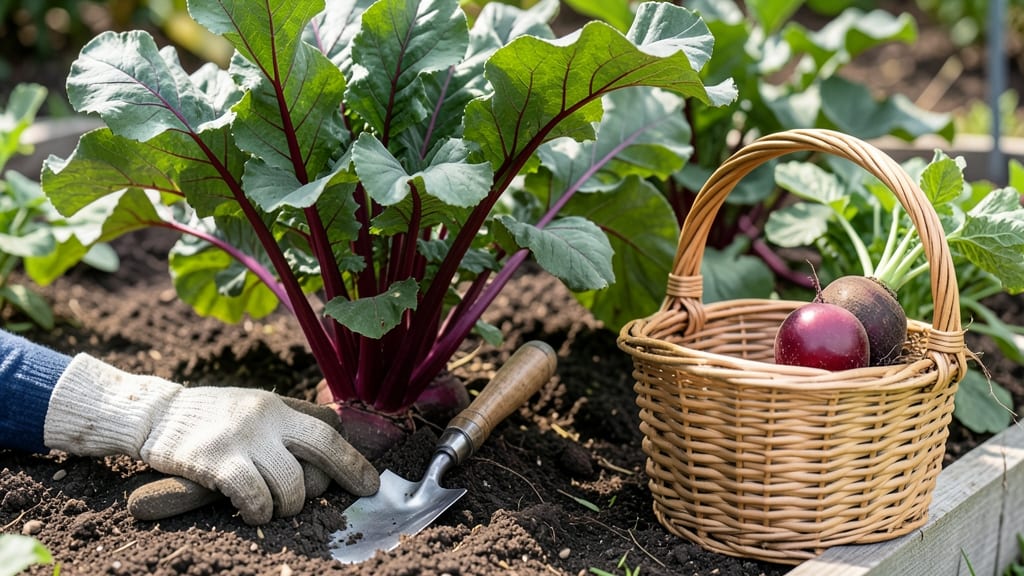
Picking beetroot from the garden at the right time ensures tender, sweet roots 🍠—and missing that window turns them woody and tough.
If you’ve ever dug up a beetroot only to find it’s oversized or bitter, you’re not alone. The key is catching them between 60 and 70 days after planting, when they’re firm, glossy, and about the size of a golf ball.
But how do you know for sure? It’s not just about days—it’s about color, size, and even the soil’s resistance.
Beetroot thrives in USDA Zone 6a, where spring planting in March–April sets the stage for a June–September harvest window. Yet timing shifts with your region’s climate: cooler areas may need a few extra weeks, while hotter zones risk bolting if left too long.
The trick is balancing these factors with three simple checks—root size, leaf health, and skin texture—to lock in peak flavor.
In this guide, I’ll walk you through those three clear signs your beetroot is ready, plus how to harvest without damaging future growth and store them for maximum freshness. No more guesswork—just perfect, restaurant-worthy roots every time.
3 Clear signs your beetroot is ready for harvesting
Harvesting beetroot at the right moment transforms your garden into a treasure trove of sweet, tender roots instead of tough, fibrous vegetables. The key lies in recognizing three visual and physical indicators that signal peak ripeness.
These signs—root size, leaf color, and soil ease—work together to tell you when your beetroot is ready to pull.
First, pay attention to the size of your beetroot. While some varieties like 'Babybeat' are harvested small (about 1-2 inches in diameter), most mature beetroots reach 2-3 inches when fully ripe.
Think of them as golf balls or slightly larger—this is when their natural sweetness peaks. Smaller roots are still tender but may lack the full flavor profile you're after.
Next, observe the color and texture of the leaves. Mature beetroot leaves should be a deep, vibrant green—almost glossy—with a healthy, upright growth pattern. If the leaves appear pale or yellowing, it could signal stress or over-maturity.
The leaf stems should also be firm and crisp; if they feel soft or wilted, your beetroot may have waited too long in the soil.
Finally, test the ease of removal from the soil. Gently wiggle a beetroot to see if it slides out effortlessly. If it resists with a firm grip, it’s not ready yet.
A ripe beetroot should pull out smoothly, with minimal force required. This resistance test also helps prevent damage to neighboring roots during harvest.
🌱 3 Key Signs Your Beetroot Is Ready
- 1. Root Size: 1-3 inches in diameter (golf ball to baseball size)
- 2. Leaf Color: Deep, glossy green with firm, upright stems
- 3. Soil Ease: Pulls out smoothly with gentle wiggling (no resistance)
Pro Tip: Harvest in the morning when soil is moist but not waterlogged for the cleanest pull.
One common mistake is waiting too long, which leads to woody, tough roots that lose their sweetness. If your beetroot feels hard and fibrous when cut, it’s past its prime. Conversely, harvesting too early results in small, underdeveloped roots that may lack flavor.
Aim for a balance where the root is firm but not rock-hard, and the skin is thick enough to resist gentle pressure.
For striped or heirloom varieties, the color intensity deepens as they mature. Look for a consistent hue without patches of dullness. For example, 'Chioggia' beetroots should show bold, uniform stripes when sliced open.
If the colors appear faded or uneven, the beetroot may have been stressed or harvested too late.
Another helpful trick is to check the soil moisture before harvesting. Well-drained soil makes it easier to pull clean roots without breaking them. If your soil feels compacted or dry, water it lightly the day before harvesting to loosen the earth.
This also reduces the risk of soil clinging to the roots, which can lead to rot during storage.
Don’t forget to harvest consistently to encourage continuous production. Beetroots often produce multiple roots per plant, so check your garden every 7-10 days once the first signs of readiness appear. This practice prevents overcrowding and ensures you enjoy a steady supply of fresh, homegrown beetroot throughout the season.
Once you’ve confirmed all three signs—size, leaf health, and soil ease—grab your gardening gloves and a sharp knife. The next step is to harvest carefully to avoid damaging the remaining roots or disturbing the soil.
With these indicators in mind, you’ll never miss the perfect moment to pull your beetroot again!
Best time of day and season for picking beetroot
Timing your beetroot harvest correctly ensures maximum flavor and texture. The best time of day to pick beetroot is early morning after the dew has dried but before the sun intensifies.
This reduces stress on the roots and preserves their sweetness. Avoid harvesting in midday heat, as the soil is harder and the roots may bruise more easily.
Seasonally, beetroot thrives in cool weather and should be harvested between 60-70 days after planting, typically from late spring to early fall. In warmer climates, opt for fall harvests to avoid the heat stress that can make roots woody.
If you're in a colder region, aim for harvests before the first frost of autumn.
Weather plays a critical role—avoid picking after heavy rain, as wet soil makes roots harder to extract cleanly. Cloudy days are ideal because the soil stays softer, making it easier to harvest without damaging the plant.
If you must harvest in dry conditions, water the soil 24 hours beforehand to loosen it.
| Factor | Best Conditions | Avoid |
|---|---|---|
| Time of Day | Early morning (6-8 AM) | Midday heat (10 AM-4 PM) |
| Season | Late spring to early fall | Peak summer heat |
| Weather | Cloudy or post-rain (soil soft) | Dry, hard soil |
| Temperature | 50-75°F (10-24°C) | Above 85°F (29°C) |
| Soil Moisture | Evenly moist (not soggy) | Waterlogged |
In USDA Zone 6a, where frost-free days last about 165 days, plan your harvest between June and September. If you’re growing baby beetroots, you can start harvesting as early as 50 days, but full-sized roots take 60-70 days.
For storage purposes, harvest slightly before full maturity to extend shelf life.
Regional differences matter—cooler climates like the Pacific Northwest may have a longer harvest window into October, while southern states like Florida can harvest year-round with proper irrigation.
Always check your local last frost date to align harvests with seasonal shifts. Over-mature beetroot left in the ground too long can develop woody textures and bitter flavors.
Pro tip: If you’re unsure whether your beetroot is ready, dig up one test root from the outer edges of the bed. This lets you assess size and texture without committing to a full harvest.
Store any test roots in the fridge for 1-2 weeks to see how they hold up before deciding on a full pick.