
Picking
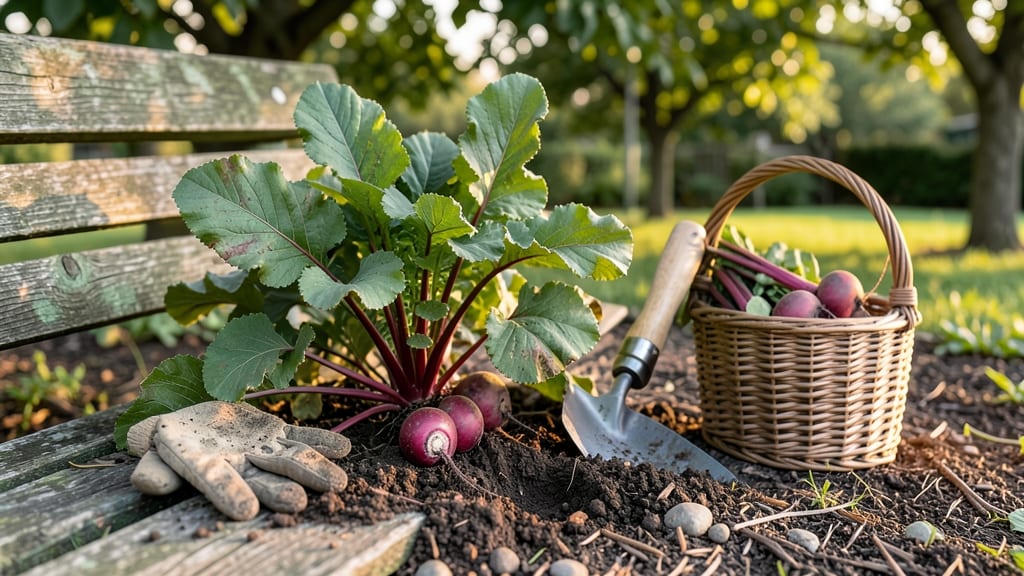
Picking beets from the garden at the right time means unlocking their sweetest, most tender flavor — and missing that window turns them tough or woody.
You might think size is the only clue, but color, soil conditions, and even the time of day play a role. A beet that’s 1–3 inches wide with deep, vibrant hues is ready, but there’s more to it than just the basics.
Below, I’ll walk you through three simple taste tests to confirm peak sweetness, plus what happens if you harvest too early or too late — and how to salvage them either way.
Whether you’re growing golden, red, or striped varieties, these tips will help you pull beets at their best, every time. No guesswork, just garden-fresh perfection.
How to determine beet harvest time by size and color
Knowing exactly when to harvest your beets ensures you enjoy their sweetest flavor and tender texture. Unlike some vegetables, beets don't ripen after picking, so timing is everything.
The key lies in monitoring both root size and leaf color—each variety has its own visual cues that signal peak harvest time.
For most beet varieties, the ideal harvest window opens when roots reach 1 to 3 inches in diameter. This size range captures the perfect balance between tenderness and flavor development.
However, some gardeners prefer harvesting young beets (under 1 inch) for salads, where their flavor is milder but their texture is extra crisp.
The color of your beets' leaves and roots also provides critical clues. Healthy green leaves with vibrant veins indicate a thriving plant, while yellowing or wilting leaves suggest stress or overmaturity.
For colored varieties like red beets or chioggia, the root's hue deepens as it matures—waiting until the color fully develops ensures maximum sweetness.
Golden beets, on the other hand, should be harvested when their skin turns a rich golden yellow. These varieties often mature slightly faster than red types, so keep a close eye on their progress.
The soil type and climate conditions can also influence harvest timing—sandy soils may speed up maturation, while cooler temperatures can slow it down.
When checking your beets, always dig around the outer edges of the planting area first. This avoids disturbing the entire patch and allows you to test multiple specimens.
Gently brush away the soil to expose the root—look for a smooth, firm texture without any cracks or soft spots, which indicate overmaturity or disease.
For chioggia beets, the striking pink and white rings inside the root develop fully only when harvested at full maturity. If you pick them too early, you'll miss their signature marbled pattern, though they'll still be edible.
The leaf stems also provide clues—when they're about 4 to 6 inches tall, it's a good sign the roots below are ready.
One common mistake is waiting too long, which leads to wooden, tough beets with a bitter taste. Overmature beets often develop wrinkled skin and may even bolt (send up flower stalks) if stressed by heat or drought.
If this happens, harvest what you can and save the seeds for next year if desired.
Pro tip: Use a small hand trowel to carefully lift beets for testing. This minimizes damage to the plant and lets you return any unripe specimens to the soil.
For continuous harvests, consider planting succession crops every 2 to 3 weeks—this ensures a steady supply of fresh beets throughout the growing season.
Remember, the soil temperature plays a role too. Cooler spring soils slow beet growth, while hot summer conditions can speed it up. Always adjust your expectations based on your local climate zone and seasonal patterns to avoid harvesting too early or late.
3 Taste tests to confirm beet sweetness before harvesting
Beets develop their signature sweetness as they mature, but knowing exactly when to harvest can be tricky. Over-mature beets become woody and tough, while underripe ones lack depth of flavor. These three simple taste tests help me determine peak sweetness without guessing.
The key is combining visual cues with these practical methods to avoid common pitfalls like bolting or flavor loss.
Climate plays a surprising role in beet sweetness. Cooler seasons like spring and fall produce sweeter beets because slower growth concentrates sugars.
In hot summers, beets may develop a more earthy flavor unless you adjust your harvesting timing. Well-drained soil rich in organic matter also enhances sweetness by preventing bitterness from excess moisture.
3 Taste Tests for Peak Beet Sweetness
- Leaf Pull Test: Gently grasp a beet leaf near the base. If it snaps cleanly, the beet is ready. A leaf that bends without breaking means it's underripe.
- Soil Probe Check: Use a garden trowel to gently loosen soil around the beet. If the root is 1-3 inches wide with a smooth skin, it's prime for harvest.
- Ring Test: Press your thumb on the beet's shoulder. A firm resistance indicates maturity, while a soft spot suggests it needs more time.
For chioggia beets with their signature rings, the ring test is especially useful. The concentric patterns become more defined as they mature, making them easier to spot. I always harvest these varieties slightly earlier than standard beets to preserve their delicate texture and vibrant colors.
Soil pH also affects sweetness—aim for a 6.0-7.0 range. Acidic soil can make beets taste bitter, while slightly alkaline conditions enhance natural sugars. Before planting, I test my soil and amend it with compost or lime if needed to create the perfect growing environment.
Timing matters most in hot climates. Beets grown in temperatures above 80°F often develop a more pungent flavor. To combat this, I harvest mine in the early morning when sugars are most concentrated.
If you notice a sharp taste, try harvesting slightly younger beets or growing heat-tolerant varieties like 'Detroit Dark Red'.
Once you've confirmed sweetness, harvest beets by cutting leaves 1-2 inches above the root to prevent regrowth. Store them in a cool, dark place for up to 2 weeks, or enjoy them fresh in salads, roasts, or pickled dishes. The right timing transforms ordinary beets into garden gold.