
Picking
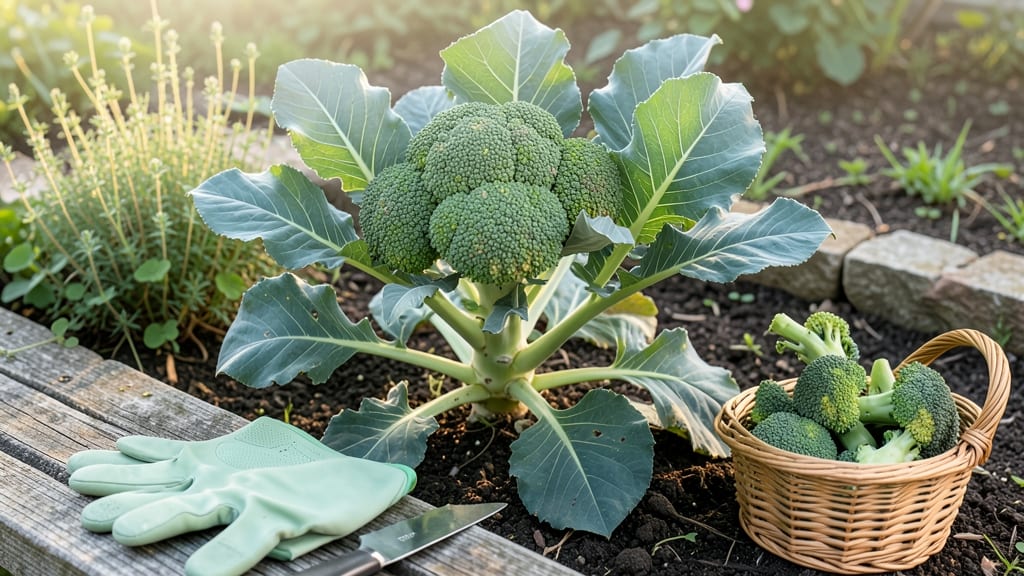
Picking broccoli from the garden at the right moment means the difference between a crisp, flavorful harvest and a bitter, woody mess—here’s exactly when to pull the trigger.
Most gardeners wait too long, letting those tight florets loosen into a sad, yellowing mess. But with just three simple visual cues, you’ll know the perfect moment to snip—before the plant bolts and wastes its energy on flowers instead of food.
First, check the head size: it should be 4 to 8 inches wide, firm to the touch, and still tightly packed. Then look for dark green florets with no yellowing—those are your peak flavor signals.
Ignore these, and you’ll end up with a head that’s tougher than your neighbor’s gardening advice.
In this guide, I’ll walk you through those cues, how to cut broccoli to encourage more harvests, and even how to store what you pick so it stays fresh longer. No more guesswork—just crisp, homegrown perfection every time.
3 Visual cues to know when broccoli is ready for harvest
Harvesting broccoli at the right moment transforms your garden effort into crisp, flavorful florets instead of bitter, woody disappointment. The key lies in three simple visual cues that reveal peak ripeness.
Ignoring these signals often means picking too early—resulting in underdeveloped heads—or too late, when the plant bolts and turns tough. I’ve learned through years of gardening that timing is everything, especially with broccoli’s short harvest window.
When you spot these three perfect indicators, you’ll know your broccoli is ready to harvest: a dark green color, a compact head size, and tight florets. Each cue works together to confirm the ideal moment—before the head loosens or yellows.
Missing these signs can mean wasted effort, so let’s break down exactly what to look for in your garden.
- 🟢 Dark Green Color: The head should be a vibrant green with no yellowing. Even slight yellowing means it’s past its prime.
- 📏 Compact Size: Aim for a 4-8 inch diameter head. Larger heads often mean tougher florets and a shorter harvest window.
- 🌱 Tight Florets: The buds should be firm and tightly packed. If they start spreading apart, the plant is ready to bolt.
Let’s start with the most obvious cue: color. A perfectly ripe broccoli head should be a deep, rich green throughout. Even a single yellow floret signals the beginning of the end—your broccoli is transitioning from edible to bitter.
I once waited too long to harvest a head, and by the time I noticed the yellowing, the entire plant had bolted, leaving me with tough stems and wasted energy. Pay close attention to the outer edges of the head first, as this is where color changes begin.
Next, check the size of the head. Broccoli heads should reach 4-8 inches in diameter before harvest. If you wait too long, the head will become loose and woody, making it unappetizing. Smaller heads (under 4 inches) are still edible but may be underdeveloped.
The sweet spot balances size and flavor, ensuring your broccoli is both nutrient-dense and tender. For varieties like Calabrese, this size range is especially critical for maintaining that signature crisp texture.
Finally, examine the floret tightness. The buds should be firm and tightly clustered, almost like a closed fist. If the florets begin to spread apart or look loose, the plant is signaling it’s ready to bolt—meaning it’s past its prime.
I’ve found that checking this cue in the morning, when the plant is hydrated, gives the most accurate reading. A quick squeeze of the head can also help: it should feel solid, not spongy.
What happens if you pick too early? You’ll end up with small, underdeveloped florets that lack the robust flavor and texture of a fully mature head. Early harvesting can also stunt the plant’s growth, reducing its ability to produce side shoots later in the season.
On the flip side, harvesting too late leads to bitter, tough florets and a plant that quickly bolts, sending up a yellow flower stalk and ending its productive life prematurely.
Pro tip: After harvesting the main head, don’t toss the plant! Broccoli often produces 3-5 smaller side shoots over the next few weeks. These secondary harvests are just as flavorful and can extend your broccoli season by 4-6 weeks.
To encourage side shoots, cut the main stem 6 inches below the head and keep the plant well-watered and fertilized. I’ve harvested up to 10 pounds of broccoli from a single plant this way!
If you’re unsure whether your broccoli is ready, err on the side of harvesting slightly early. A broccoli head that’s just shy of perfect can still be delicious, while one that’s overripe is nearly inedible.
And remember: consistent harvesting keeps your plants productive. Check your broccoli plants every 2-3 days during peak season to catch that sweet spot before it’s gone.
Mastering these visual cues will turn your broccoli harvests from hit-or-miss to consistently perfect. Soon, you’ll be the neighbor everyone asks for homegrown broccoli—because you’ve learned the art of timing. Happy harvesting! 🥦
Broccoli harvest timeline: from seed to table in weeks
Understanding your broccoli harvest timeline is key to avoiding bitter, woody heads.
From seed to table, most varieties take 50-80 days to reach maturity, but this varies by type and climate. Calabrese (the classic green variety) typically matures in 60-70 days, while Romanesco (the fractal-patterned beauty) takes 70-80 days.
Your local frost dates also shift this window—plant too early, and cold soil delays growth; too late, and heat stress speeds up bolting.
In cool climates (Zones 3-6), broccoli thrives when sown 4-6 weeks before the last frost (usually March-April). You’ll harvest June-August for spring plantings, with a possible fall crop if you sow again in mid-summer.
In warm climates (Zones 7-10), opt for fall or winter planting to escape summer heat, harvesting December-February instead.
Climate affects maturity—cooler temps slow growth, while hot weather (above 85°F) causes bolting. For example, Calabrese in Zone 5 may take 75 days to harvest, but in Zone 9, it could bolt in just 50 days if planted in peak summer. Choose heat-tolerant varieties like 'De Cicco' or 'Waltham 29' for warmer regions.
To maximize your harvest, use succession planting—sow new seeds every 2 weeks for a continuous supply. For example, in Zone 6, start your first batch in early April, then follow with plantings in mid-April, late April, and early May.
This staggered approach ensures you’re harvesting June through July without gaps. In warmer zones, focus on fall plantings (August-September) to avoid summer bolting.
Pro tip: Track your broccoli’s growth with a garden journal. Note when you planted, transplant dates, and the first signs of bud formation (usually 4-6 weeks after transplanting). This helps you predict future harvest windows.
For instance, if your 'Green Magic' took 65 days to form heads in Zone 5, you’ll know to adjust planting times next year for an earlier harvest.
Once you master the harvest timeline, you’ll enjoy crisp, flavorful broccoli all season long—no more bitter surprises! With the right variety and timing, a single plant can yield 2-3 pounds of edible florets, including side shoots. 🌱