
Picking
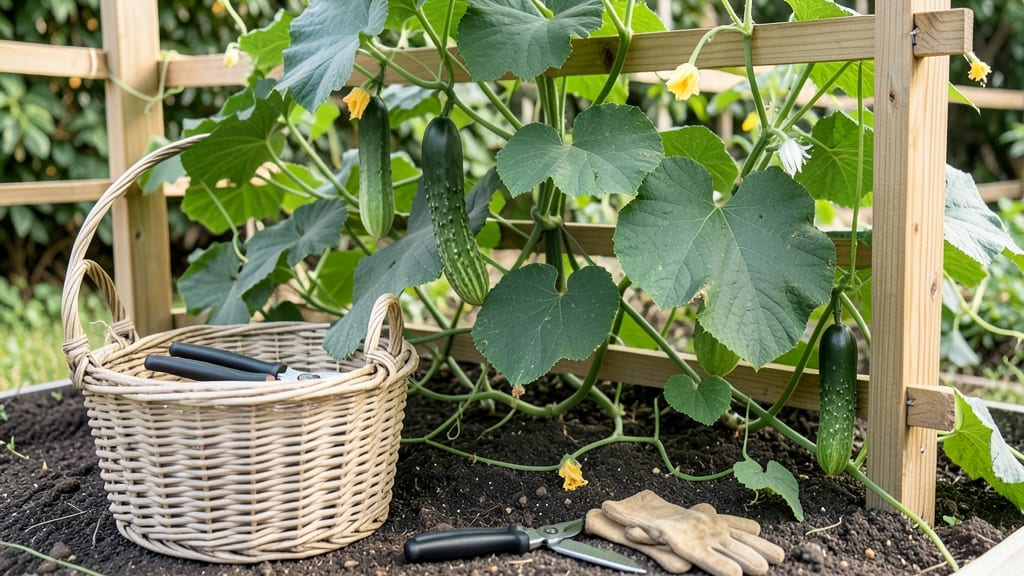
To pick cucumbers from your garden at the perfect moment means the difference between a crisp, seedless harvest and a mealy, seedy disappointment.
Imagine biting into a cucumber that’s too soft or bitter—it happens when you miss the window by even a day. The key is knowing the three telltale signs of readiness: size, color, and firmness. I’ve learned the hard way that skipping these cues leads to wasted vines and sad produce.
Whether you’re a first-time gardener or a seasoned green thumb, timing matters. Heat waves, humidity, and even the time of day can shift when your 🥒 cucumbers hit peak flavor. Below, I’ll break down the exact cues to watch for and how to harvest without damaging your plants.
By the end, you’ll know exactly when to reach for those vines—so you can enjoy cucumbers that are sweet, firm, and ready for the table.
3 Key signs your cucumbers are ready for harvesting
Knowing when to pick cucumbers from your garden ensures you enjoy their crisp texture and mild flavor at peak freshness. Unlike some vegetables, cucumbers don’t ripen well after picking, so timing is everything.
I’ve learned the hard way—overripe cucumbers turn bitter and seedy, ruining salads and pickling projects. Let’s explore the three foolproof signs that tell you it’s time to harvest.
First, check the cucumber size—most varieties reach their prime between 6 to 8 inches. Smaller cucumbers (under 4 inches) are often too bitter, while larger ones (over 10 inches) become tough and watery.
Always refer to your seed packet for variety-specific guidelines, as some like bush cucumbers mature faster than vining types. For example, ‘Straight Eight’ cucumbers are best harvested at 8 inches, while ‘Lemon Cucumbers’ should be picked at 3-4 inches.
Next, examine the stem end—this is your secret weapon for nailing the perfect harvest. A ripe cucumber’s stem end will turn yellow or brown and feel slightly hardened. If it’s still green and soft, give it a few more days.
This change signals the cucumber has reached its ideal sugar content and crispness. Pro tip: Gently twist the cucumber near the stem—if it snaps easily, it’s ready to pick!
Finally, test the skin firmness with a gentle touch. Press your thumbnail into the cucumber’s skin—it should yield slightly but not feel mushy or overly soft. Overripe cucumbers develop a spongy texture, while underripe ones feel hard and unyielding.
Pay attention to the color consistency too; ripe cucumbers have a deep, even hue without pale patches. If you spot yellowing or dark spots, it’s a sign of overripeness or disease.
-
1. Size Matters
Check cucumber length—most varieties peak at 6-8 inches. Smaller = bitter; larger = tough.
-
2. Stem End Color
Look for yellow or brown at the stem end. Green means wait; brown means harvest now!
-
3. Skin Firmness Test
Press gently—ripe cucumbers yield slightly but don’t feel mushy or hard.
-
4. Color Consistency
Avoid pale spots or yellowing—these indicate overripeness or poor growing conditions.
-
5. Seed Development
For seedless varieties, harvest before seeds turn white or soft. Black seeds = overripe!
Don’t overlook the seed development, especially if you’re growing seedless cucumbers like ‘Suyo Long’. Cut open a cucumber to check the seeds—if they’re still small and green, it’s perfect for eating fresh.
Once they turn white or soft, the cucumber has passed its prime. For pickling cucumbers, like ‘Boston Pickling’, harvest them slightly smaller (4-6 inches) for that tangy crunch.
Environmental factors can also influence harvest timing. In hot, dry climates, cucumbers may ripen faster, so check them every 2-3 days. Conversely, in cooler or cloudy conditions, they’ll take longer to mature. I’ve found that morning harvests yield the freshest cucumbers—cooler temperatures preserve their crispness longer.
Always use a sharp knife or pruning shears to avoid damaging the vine, and leave a small stem attached to extend shelf life.
One common mistake I see is waiting too long to harvest, thinking cucumbers will keep getting better. But once they turn yellow or develop a wrinkled skin, they’re past their peak. Overripe cucumbers also attract pests like squash vine borers, which can devastate your plants.
To keep your cucumbers producing, harvest every 2-3 days during peak season—this encourages the plant to focus on growing more fruit instead of letting existing ones overripe.
For bush cucumber varieties, like ‘Bush Champion’, you’ll need to harvest more frequently since they produce smaller, faster-maturing fruits. Vining types, such as ‘Marketmore’, give you a bit more flexibility but still require regular checks.
Remember, the key to a successful cucumber harvest is consistency. By mastering these three signs—size, stem color, and skin firmness—you’ll always know exactly when to pick for the best flavor and texture.
Now that you’re equipped with these signs, grab your gardening gloves and head out to the garden. The next time you’re wondering when to pick cucumbers, just follow these cues, and you’ll be rewarded with a bounty of crisp, sweet, and seedless cucumbers all season long. Happy harvesting!
How to harvest cucumbers without damaging the plant
Harvesting cucumbers the right way protects your plant’s health while ensuring you get the freshest, crispest produce. Gentle handling and proper timing prevent stress, encourage more fruit, and extend your harvest season. Whether you're dealing with vining varieties or compact bush types, these techniques work for all cucumbers.
Using the right tools makes all the difference. A sharp pair of pruning shears or even clean scissors cuts cleanly without tearing the vine. Avoid pulling cucumbers off—this can damage the plant’s delicate stems and leave wounds vulnerable to disease.
I always keep a small bucket nearby to collect harvested cucumbers for immediate storage.
Timing your harvest is just as critical as technique. Morning harvests yield the crispest cucumbers because the plant’s moisture levels are highest after a cool night. Plus, picking in the morning gives you a head start on storing or using your harvest before the heat of the day sets in.
Step-by-Step Cucumber Harvesting Guide
- 1 Check for readiness: Look for 6-8 inch cucumbers with deep green color and firm skin that resists gentle pressure.
- 2 Use clean tools: Snip the cucumber 1 inch above the fruit using sterilized shears to avoid spreading disease.
- 3 Harvest in the morning: Pick cucumbers before 10 AM when they’re cool and crisp for the best flavor and texture.
- 4 Store properly: Keep harvested cucumbers in a cool, dark place (50-55°F) for up to 7 days to maintain freshness.
- 5 Inspect the plant: After harvesting, check the vine for pests or diseases and remove any damaged leaves to promote airflow.
After harvesting, your cucumber plant will reward you with more production if you maintain its health. Remove any yellow or wilted leaves to redirect the plant’s energy toward fruit production. I also recommend applying a light mulch around the base to retain moisture and keep roots cool during hot afternoons.
Over time, you’ll notice that regular harvesting encourages your cucumber plant to produce more fruit. Frequent picking prevents the plant from becoming overloaded, which can lead to fewer but larger cucumbers.
For bush varieties, this might mean harvesting every 2-3 days, while vining types may need attention every 3-4 days during peak production.
Don’t forget that seasonal changes affect harvest frequency. As temperatures rise in late summer, cucumbers may mature faster, requiring more frequent checks. Keep an eye on your plants and adjust your harvesting schedule accordingly to avoid missing the perfect moment.