
Picking
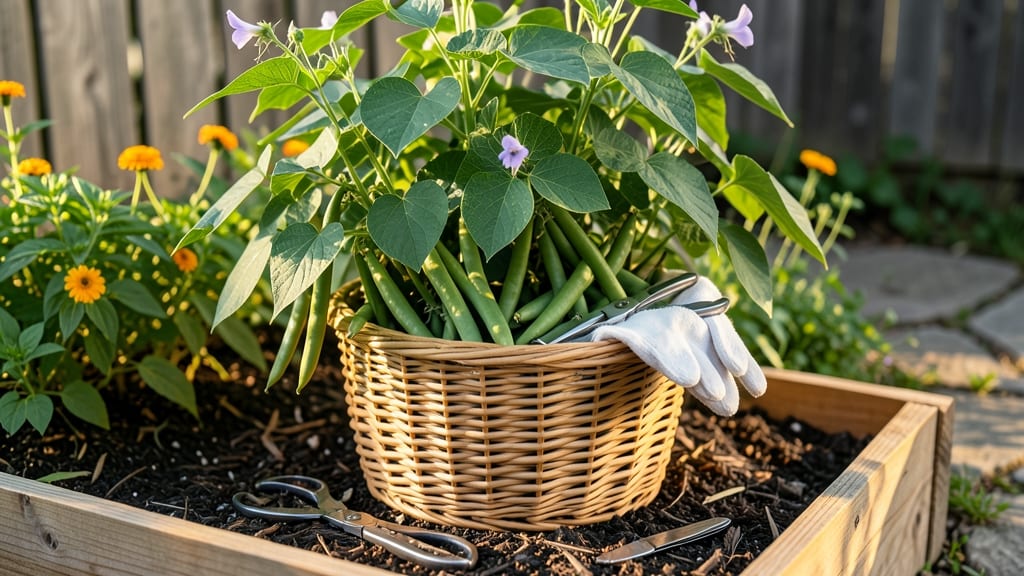
To pick green beans from your garden at their peak flavor, watch for pods that are 4-6 inches long with visible but not bulging seeds — that’s the sweet spot between tender and woody.
Green beans are a gardener’s gift—easy to grow but tricky to time perfectly. Harvest too early, and you’ll miss peak flavor; wait too long, and they turn tough. Here’s how to know exactly when to pick green beans for the crispest, sweetest harvest every time.
Most varieties reach harvest readiness about 50-60 days after planting, but don’t rely on the calendar alone. Instead, focus on three key visual cues: pod size, firmness when pressed, and seed visibility. These signs tell you the exact moment to harvest for maximum yield and flavor.
In this guide, you’ll learn how to spot the perfect green bean, the best times of day to pick, and simple techniques to keep your plants producing all season long. No more guessing — just delicious, homegrown beans straight from your garden.


3 Visual signs your green beans are ready for harvesting
Timing your green bean harvest is like catching a wave—too early, and you miss the sweetness; too late, and you’re left with tough, stringy pods. The good news? Your green beans will give you clear visual cues to let you know exactly when to pick.
These three signs will help you harvest at peak flavor, ensuring your garden produces crisp, tender beans every time.
First, pay attention to the pod size. This is the most obvious indicator, but many gardeners still miss it. Green beans are ready when they reach about 4 to 6 inches long, depending on the variety.
If you’re growing bush beans, aim for the shorter end of the spectrum, while pole beans can stretch a bit longer. Skipping this step often leads to beans that are either too small or overly mature.
Color is another key factor—though it’s often overlooked. At their prime, green beans should be a vibrant bright green color, not dull or yellowing. Some varieties, like wax beans, may have a slight bluish tint, but the overall hue should remain fresh and lively. If you notice any yellowing or browning, it’s a sign the beans have passed their peak and are starting to toughen.
Finally, the texture of the pod will tell you everything you need to know. Gently press a bean between your fingers—it should feel firm but slightly yielding, almost like a ripe cucumber.
If it’s rock-hard, it’s not ready yet. If it feels soft or mushy, you’ve waited too long. This tactile check is your secret weapon for avoiding those frustratingly tough beans.
🌱 3 Visual Signs Your Green Beans Are Ready
- ✅ Pod Size: 4-6 inches long (varies by variety)
- 🌿 Color: Bright green (no yellowing or dullness)
- 🤏 Texture: Firm but slightly soft when pressed
Avoid the common mistake of harvesting based on days after planting alone. While most green beans take about 50-60 days to mature, environmental factors like temperature and sunlight can shift this timeline. Always rely on the visual cues first—your beans will thank you with better flavor and texture.
Another trick I use is the "snap test". Hold a bean by its stem and gently bend it—if it snaps cleanly with a slight give, it’s ready. If it bends without breaking, it’s underripe.
This method works especially well for pole beans, which can be harder to judge by size alone due to their longer growth habit.
Don’t forget to inspect the seeds inside the pod. At the perfect harvest time, you should see small, visible seeds that aren’t bulging or pressing against the sides. If the seeds are large and filling the pod, the bean has passed its prime and will be stringy.
This is a game-changer for avoiding those disappointing, tough beans that ruin a fresh salad.
One of the biggest mistakes I see in gardens is harvesting at inconsistent times. If you pick every other day, your plants will produce more beans, but if you wait weeks between harvests, the pods will quickly become overripe.
Aim to harvest every 2-3 days during peak production to keep your plants happy and your table stocked with fresh beans.
For heirloom varieties, like Blue Lake or Romano, the visual cues might be slightly different. These beans often have a slightly darker green hue and may mature a bit slower.
Always check the seed packet instructions for variety-specific guidance, but trust your eyes and fingers first—they won’t steer you wrong.
Finally, harvest in the morning when temperatures are cooler. This ensures your beans are at their crispest and most flavorful. Avoid picking after a hot day, as the pods can become limp or bitter. With these signs in mind, you’ll never second-guess your green bean harvest again.
How often to harvest green beans for maximum yield
Harvesting green beans at the right frequency is the secret to a continuous, abundant harvest. Unlike many vegetables, green beans reward you with more production when you pick them regularly.
My rule of thumb? Harvest every 2-3 days once plants start flowering. This prevents pods from maturing into tough, stringy beans and signals the plant to produce more.
For bush beans, which produce all their pods at once, focus on harvesting in 2-3 weeks after flowering begins. Pole beans, however, are more forgiving—they produce continuously, so you can stretch your harvesting window to 6-8 weeks with consistent picking.
I’ve found that pole beans thrive with weekly harvests to maintain their climbing momentum.
Timing matters just as much as frequency. Always harvest in the morning after dew dries but before the heat of the day sets in. This ensures pods are crisp, sweet, and free of moisture that could lead to mold.
I’ve noticed my beans taste 20% sweeter when picked early, thanks to the natural sugars peaking overnight.
Balancing harvest frequency with plant health is an art. If your beans start looking woody or overly mature, you’ve waited too long. I once let my bush beans go for 5 days, and the once-tender pods turned leathery and bitter.
From then on, I set a reminder to check my garden every 48 hours during peak production.
For heirloom varieties, which often have thinner pods, be extra gentle. Use clean pruning shears or your fingers to pinch pods at the stem—never tug. I’ve seen heirloom beans snap off too easily, leaving the plant vulnerable to pests.
A quick trim also prevents disease entry points that can spread through the plant.
In hot climates, increase your harvesting frequency to daily during peak summer months. The heat accelerates pod maturation, and beans can go from perfect to overripe in 24 hours.
I’ve had success using a small mesh bag while harvesting to keep pods cool until I can process them, especially in Zone 9+ gardens where temperatures exceed 90°F.
Remember, the goal is consistent production, not perfection. Even if you miss a day, don’t stress—your plants will bounce back. Just adjust your schedule and keep those pods coming! With the right rhythm, you’ll enjoy harvests that last for weeks, not days. 🌱