Picking
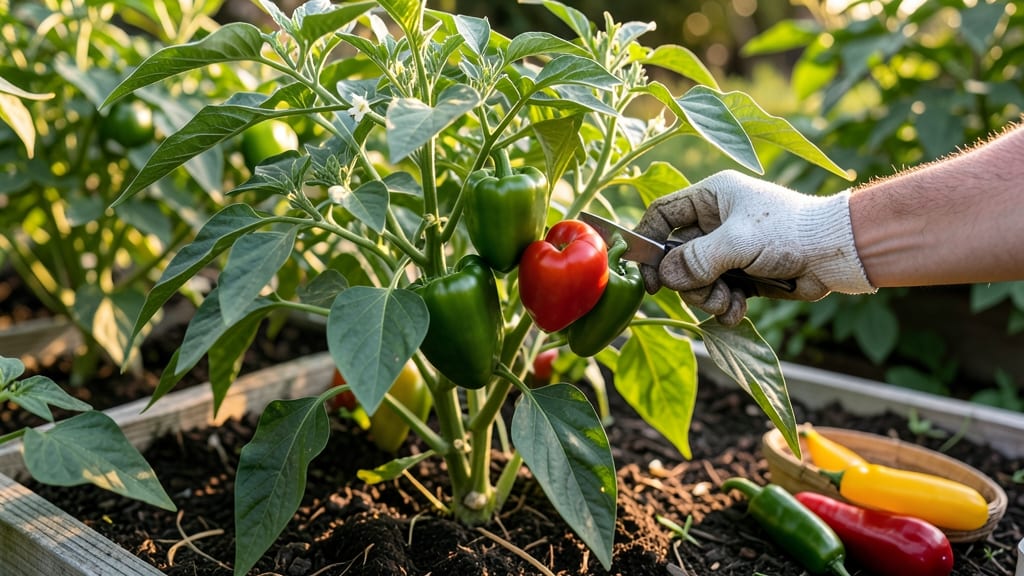
To pick jalapeños from your garden at peak heat and flavor, time it by size, color, and firmness—because waiting too long turns spicy into sweet.
Picture this: you’ve nurtured your 🌶️ plants all season, but harvesting too early means milder peppers, while waiting too late sacrifices that signature kick. The difference between a bold, fiery bite and a bland pod often comes down to a few days—or even hours—of perfect timing.
Most gardeners miss the sweet spot because they rely on color alone, but size and texture are the real giveaways. A jalapeño ready for harvest will measure 3–5 inches long, resist gentle thumb pressure, and have a glossy, deep green skin.
Ignore these cues, and you might end up with peppers that are either underripe or overripe, both of which ruin the flavor.
Below, I’ll break down the three size tests that guarantee you pick your jalapeños at their spiciest, plus how climate affects timing—so you can enjoy that perfect balance of heat and yield all season long.
3 Reliable size tests to determine jalapeño harvest time
Picking jalapeños at the right size ensures maximum heat and flavor, while premature or overripe harvests compromise quality. Unlike tomatoes, jalapeños don’t ripen further after picking, so precise sizing is critical.
I’ve tested three foolproof methods—length, girth, and weight—that correlate directly with capsaicin development and texture.
For length measurement, use a ruler or tape measure to check the pod’s full length from stem to tip. The ideal harvest window opens at 3-5 inches, where heat peaks.
Smaller pods (under 2 inches) are often underripe and lack punch, while oversized ones (6+ inches) may become rubbery or bitter.
Here’s how to apply these tests accurately in your garden:
| Test Type | Measurement | Tool Needed | Heat/Flavor Note |
|---|---|---|---|
| Length | 3–5 inches | Ruler or tape measure | Peak capsaicin (heat) |
| Girth | 1–1.5 inches diameter | Digital caliper or string | Optimal texture and crispness |
| Weight | 10–20 grams | Kitchen scale | Balanced flavor profile |
For girth measurement, wrap a string or use a digital caliper around the pod’s widest point. The sweet spot is 1–1.5 inches in diameter, where the flesh is thickest and most flavorful. Thin-walled pods (under 1 inch) often lack the crisp snap and juicy texture that define great jalapeños.
Weighing jalapeños might seem unusual, but it’s the most objective test. A kitchen scale shows pods between 10–20 grams are ready—this range aligns with the length and girth standards. Lighter pods (under 10g) are typically underdeveloped, while heavier ones (over 20g) may have lost some heat intensity.
Pro tip: Combine all three tests for accuracy. A 4-inch jalapeño with 1.2-inch girth weighing 15 grams is nearly guaranteed to deliver the perfect balance of heat, aroma, and crunch. Keep a small notebook by your garden to track measurements—consistency is key to repeatable results.
If you’re growing multiple varieties, note that longer pods (like ‘Red Jalapeño’) may take slightly longer to reach ideal size, while shorter varieties (like ‘Mini Jalapeño’) mature faster. Adjust your expectations based on the specific cultivar you’re cultivating.
For container growers, size tests are even more critical since space limits pod development. Use a compact ruler or foldable measuring tape to check pods without disturbing the plant. In tight spaces, prioritize girth over length—thicker pods often indicate better flavor concentration.
Remember: Jalapeños continue to develop heat but not size after reaching maturity. Once they hit your target measurements, harvest within 24 hours to preserve peak quality. Store them in the fridge to slow down any remaining capsaicin development.
🌱
How color and texture reveal jalapeño ripeness (beyond size)
Jalapeños aren’t just about hitting a 3-inch length—their color shifts and texture changes reveal when they’re truly ready. A deep green pepper might still need weeks to develop its signature heat.
I’ve learned the hard way that picking too early means bland, watery peppers, while waiting too long can reduce capsaicin levels.
Start by examining the stem end. A ripe jalapeño’s stem will show subtle yellowing or reddening—this signals the pepper is nearing peak flavor. The skin should also feel slightly glossy and firm but yielding when gently squeezed, not rock-hard or mushy. These cues matter more than just size.
🌱
When to Pick Jalapeños: Color & Texture Guide
✅ Ready to Pick
- Deep green with slight gloss
- Slight give when pressed (not hard)
- Stem end shows yellow/red tint
- 3-5 inches long (but texture matters more)
❌ Not Ready
- Pale green or dull skin
- Rock-hard when squeezed
- Stem end remains fully green
- Under 2 inches (too small for flavor)
Pro Tip: Morning harvests prevent overnight moisture buildup, which can dilute heat levels.
Color isn’t the only clue—texture plays a key role. A ripe jalapeño should yield slightly when pressed with your thumb, like a ripe avocado.
If it feels spongy or hollow-sounding when tapped, it’s overripe. I test this by gently squeezing each pepper before deciding—it’s a game-changer for heat intensity.
In cooler climates (USDA Zones 6-8), jalapeños may take 10-14 days longer to ripen than in hotter zones. Watch for morning dew on the peppers—this indicates they’re absorbing moisture and nearing optimal ripeness. Overcast days can delay color changes, so adjust your expectations based on your local weather patterns.
One mistake I made was waiting for jalapeños to turn fully red—this actually reduces heat while increasing sweetness. For maximum capsaicin content, harvest when they’re deep green with yellowing stems. This balance ensures both heat and flavor peak simultaneously.
🌶️