
Picking
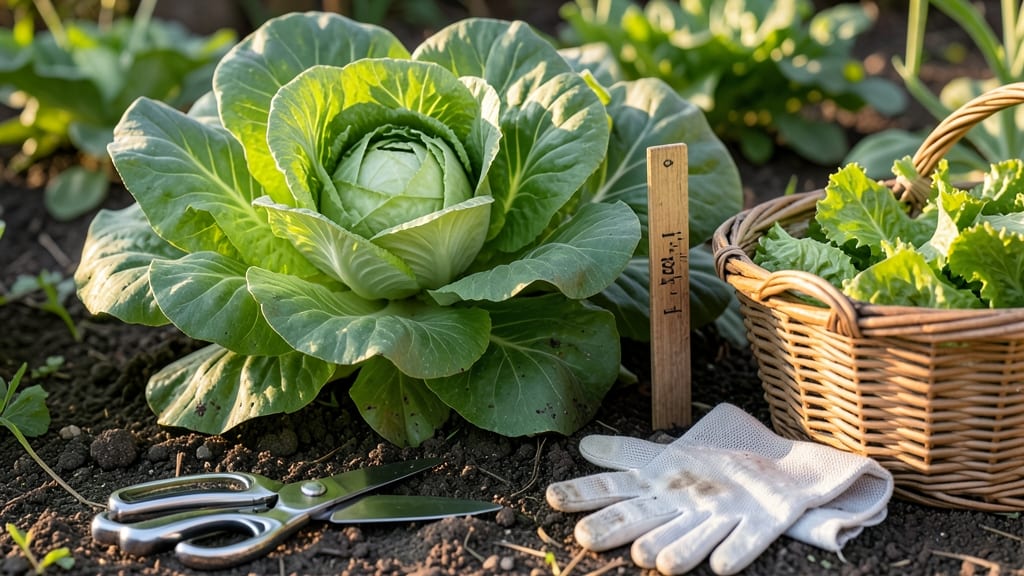
To pick lettuce from your garden at the perfect moment means harvesting crisp, flavorful leaves before they turn bitter or bolt—timing is everything.
Picture this: you’ve nurtured your 🥬 for weeks, only to pull a wilted head or one that’s already shooting up a flower stalk. That’s the difference between a fresh salad and a sad one. The key? Knowing when those leaves are at their peak.
Lettuce varieties mature in 30 to 60 days, but heat and day length can throw off your schedule. Butterhead might be ready in 45 days, while romaine could take 60—and if you wait too long, you’ll end up with tough, bitter greens.
I’ll show you how to test for crispness, spot early signs of bolting, and adjust for your region’s climate.
From the first harvest in spring to extending your crop into fall, you’ll learn how to keep your lettuce producing like a pro—no more guessing, just crunchy perfection every time.
How to test lettuce crispness for optimal harvest timing
Harvesting lettuce at the perfect moment ensures maximum flavor and texture. Overlooking this window can lead to bitter or bolted lettuce, ruining your homegrown bounty. The key lies in understanding leaf maturity, texture, and variety-specific cues.
Whether you're growing butterhead, romaine, or leaf lettuce, these visual and tactile tests will guide you to the ideal harvest time.
Start by examining the outer leaves of your lettuce plant. These are the first indicators of readiness. For most varieties, you'll want leaves that are 4-6 inches long and fully formed.
Check for a deep green color—this signals optimal chlorophyll development and sweetness. If the leaves are pale or yellowing, they're either underwatered or overripe. Avoid harvesting in these conditions.
Now, let's talk about the crispness test, which is crucial for determining peak harvest timing. This simple tactile check will save you from picking lettuce that's past its prime. Here's how to do it:
- 1 Gently pinch a leaf between your thumb and forefinger. Apply light pressure—just enough to feel the leaf's resistance.
- 2 Listen for a satisfying crack. When lettuce is at peak crispness, you'll hear a crisp snap and feel the leaf spring back slightly. This indicates optimal cell turgor and water content.
- 3 Compare varieties. Butterhead lettuces should feel soft yet firm, while romaine and leaf lettuces can handle slightly more rigidity. Overly soft leaves may be overmature or bolting.
- 4 Check the base. Look for a compact rosette of leaves. If the center is loose or hollow, the plant may be stressed or ready for full harvest.
- 5 Harvest method matters. For leaf lettuce, snip individual leaves at the base. For head varieties, cut the entire head 1 inch above the soil to encourage regrowth.
Timing your harvest also depends on the variety you're growing. Leaf lettuces, like Oakleaf or Red Sails, can be harvested in 30-40 days and benefit from successive picking.
Snip outer leaves as soon as they reach 3-4 inches to encourage continuous production. This method works well for cut-and-come-again varieties, extending your harvest window by 2-3 weeks.
For butterhead and romaine varieties, wait until the full head is formed. Butterheads like 'Buttercrunch' should have tender, overlapping leaves with a buttery texture. Romaine varieties, such as 'Parris Island', are ready when the head is firm and the leaves are tightly packed.
Harvest these varieties when they reach 45-55 days of growth for the best flavor and texture.
Don't overlook the weather conditions when planning your harvest. Lettuce tastes best when grown in cool temperatures between 45°F and 75°F. If temperatures rise above 80°F, your lettuce may bolt or develop bitter flavors.
In these cases, harvest earlier than usual to salvage your crop. Early morning is the best time to harvest, as the leaves are crispest and coolest.
After harvesting, store your lettuce properly to maintain crispness. Wrap the heads or leaves in a damp paper towel and place them in a plastic bag in the crispest drawer of your refrigerator.
This method can extend freshness by 5-7 days. For long-term storage, consider freezing blanched lettuce leaves in water or olive oil for up to 12 months.
Practice makes perfect when it comes to testing lettuce crispness. The more you harvest, the better you'll become at recognizing the ideal texture and maturity for your specific varieties. Keep a harvest journal to track when your lettuce reaches peak crispness, and adjust your planting schedule accordingly for future seasons.
With these tips, you'll enjoy homegrown lettuce at its absolute best all season long. 🥬
Heat stress warning signs: when to harvest lettuce before it bolts
As summer temperatures rise, your once-tender lettuce leaves can quickly turn bitter and tough—a classic sign of heat stress. This happens when lettuce senses prolonged warmth and shifts from leaf production to bolting (flowering). The key to salvageable harvests? Recognizing these warning signs early and acting fast.
Lettuce is a cool-season crop, and when daytime temps climb above 75°F (24°C), its metabolism changes. Instead of growing crisp, flavorful leaves, it prioritizes reproduction. The result?
Bitter, stringy greens or a tall flower stalk that renders your crop unusable. But don’t despair—with the right timing, you can still enjoy your garden’s bounty.
⚠️ ACT NOW: 3 Critical Heat Stress Signs
1. Leaf Curling – Edges tighten like a fist when temps hit 80°F+ (27°C+). This is your plant’s way of conserving moisture.
2. Stem Elongation – The base thickens or shoots upward. This is the bolting signal—harvest within 2-3 days or lose your crop.
3. Flower Stalks – A tall, hollow stem with yellow buds means it’s too late for leaves. Pull the plant to prevent seed spread.
💡 Pro Tip: Harvest outer leaves first to delay bolting in heat-tolerant varieties like 'Jericho' or 'Black Seeded Simpson'.
If you spot leaf curling or stem elongation, prioritize harvesting the largest, firmest leaves. Use clean, sharp scissors or shears to snip just above a leaf node—this encourages regrowth.
For loose-leaf varieties, pluck individual leaves at the base. Avoid cutting into the center, as this stresses the plant further.
To extend your harvest window, provide afternoon shade with row covers or shade cloth (30-50% coverage). Mulch with straw or grass clippings to keep roots cool and retain moisture.
Water deeply in the early morning to reduce evaporation and fungal risks. Avoid overhead watering, which can scorch leaves under intense sun.
For head lettuce varieties like romaine or iceberg, watch for tightening heads as a final harvest cue. If the head feels firm and crisp, it’s ready—even if the outer leaves show early heat stress.
Discard wilted or bitter outer leaves and enjoy the core. In extreme heat, consider succession planting with shade-tolerant varieties like 'Oakleaf' or 'Lollo Rossa' for fall harvests.
Remember, lettuce bolting isn’t always a loss—it’s nature’s way of ensuring the next generation! But with these strategies, you’ll maximize your crisp, flavorful harvests before the heat wins.
Keep an eye on your plants, and don’t hesitate to act when you see those early warning signs. Your taste buds will thank you! 🥬☀️