
Picking
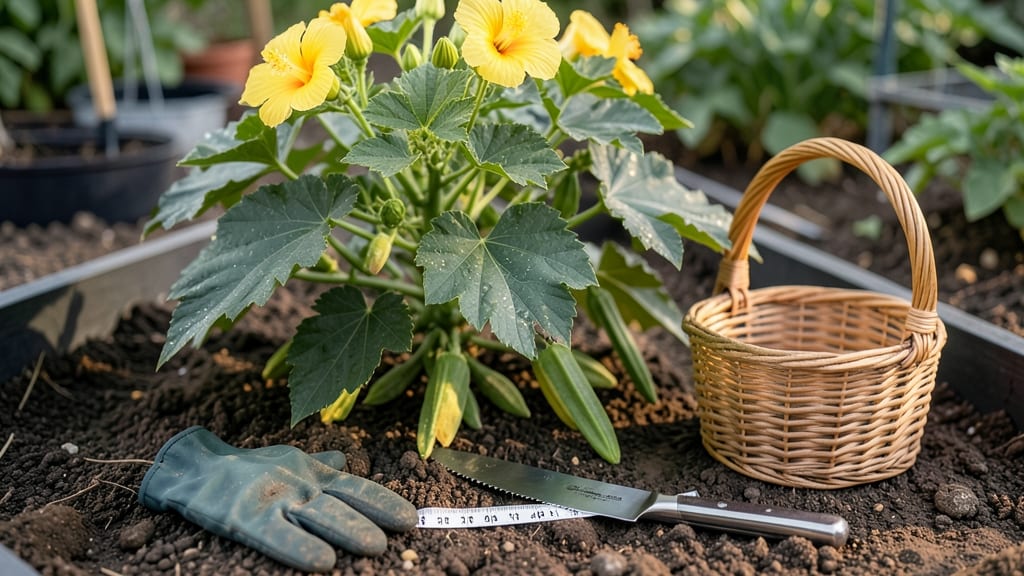
Picking okra from the garden at the right time ensures tender, flavorful pods every time — and skipping this step means tough, slimy messes that ruin your harvest.
Picture this: you’ve nurtured your 🌱 okra plants all season, and now the pods are growing fast. But wait too long, and those crisp green gems turn into woody sticks. The secret? Harvest when pods hit 2-3 inches long — that’s the sweet spot for peak texture and taste.
Why does timing matter so much? Okra pods harden quickly after reaching 3 inches, and their starch content spikes, making them less enjoyable to eat. Plus, regular picking encourages more production, so you’ll end up with a steady supply all season.
Below, I’ll walk you through the 3 finger-length tricks to nail the perfect harvest, plus how to spot overripe pods and what to do with them before they go bad.
Okra harvesting stages by finger-length: the perfect picking guide
Timing your okra harvest is everything—pick too early, and you waste potential; pick too late, and you get tough, fibrous pods. The secret? Finger-length measurements give you precise control over texture and flavor, regardless of how many days after planting your pods appear.
Unlike other vegetables where days matter most, okra's pod size is your best indicator of peak harvest time.
I’ve harvested okra for years, and I can tell you: 2-3 inch pods are the sweet spot. That’s when they’re tender, crisp, and packed with flavor.
Larger pods become woody, while smaller ones lack full development. Your fingers become the most accurate tool in your gardening toolkit—no fancy gadgets needed!
Here’s the game-changer: pod color and seed development change dramatically as okra matures. Bright green pods with smooth, glossy skins are ready to pick, while duller, matte pods with visible seeds are past their prime. Let’s break down exactly what to look for at each stage.
| Finger-Length Stage | Pod Size | Color & Texture | Seed Development | Best For |
|---|---|---|---|---|
| 🤏 1-2 inches | Immature | Pale green, slightly fuzzy | No visible seeds | Discard or compost |
| 🤏🤏 2-3 inches | Ideal harvest size | Bright green, glossy, firm | Seeds tiny, barely visible | Stir-fries, grilling, frying |
| 🤏🤏🤏 3-4 inches | Over-mature | Dull green, slightly woody | Seeds visible, firm | Soups, stews (soak first) |
| 🤏🤏🤏🤏 4+ inches | Too late | Dull, fibrous, tough | Large, hard seeds | Compost or discard |
At the 2-3 inch stage, okra pods are at their peak—crisp, sweet, and perfect for quick cooking. This is when the pods snap easily when bent (a key test!) and have that glossy, vibrant green appearance.
If you miss this window, pods quickly become fibrous and bitter, losing their delicate texture within just 24 hours.
Pro tip: Harvest every 2-3 days during peak production to encourage more pods. Okra plants reward consistency—regular picking keeps them producing for weeks. I’ve seen my plants yield 50+ pods per harvest when I stay on top of it, compared to just a handful if I’m inconsistent.
Watch for color shifts too—bright green means fresh, while dull or yellowing pods signal overripe okra. Even if your plant is loaded with pods, prioritize the smaller, firmer ones.
Larger pods won’t improve with time; they’ll just get tougher. Think of it like trimming your hedge—cut at the right time, and you get lush, healthy growth.
One mistake I see often is picking by days after planting instead of size. Okra’s growth rate varies by variety and climate—some mature in 50 days, others take 75. Size is the universal rule, not days.
Always measure with your fingers first, then check the color and snap test to confirm.
For first-time growers, start small: Pick 2-3 pods per plant at the 2-3 inch stage to train yourself. Over time, you’ll develop an eye for the perfect pod. And remember—okra’s flavor peaks at this stage, so don’t wait for "perfect" conditions. Get in there and harvest!
🌱
3 Common okra harvesting mistakes that ruin your pods
Even experienced gardeners sometimes fall into okra harvesting traps that turn tender pods into tough, stringy disappointments. The biggest mistake? Waiting until pods grow beyond 4 inches long—by then, they’ve already converted starches into fiber, making them nearly inedible.
I’ve seen this happen in my own garden when I got distracted during peak season!
Another silent killer is ignoring pod color shifts. Fresh okra glows with a vibrant bright green hue, but as it matures, it dulls to a muted olive tone. Harvesting at this stage means you’re playing flavor roulette with your dinner.
Even worse is harvesting during midday heat when pods wilt instantly, losing their crisp texture before you can use them.
⚠️ callout-warning
Okra pods convert starches to fiber within 24 hours past their 3-inch peak. Once they hit 4 inches, they develop woody texture and bitter flavor—no amount of cooking fixes this. Check pods every 2-3 days during harvest season to avoid this common mistake.
Let’s start with the most critical error: picking okra too late. Many gardeners assume bigger pods mean better flavor, but nothing could be further from the truth. When okra exceeds 4 inches, its seeds harden and the walls thicken dramatically.
In my USDA Zone 6a garden, I’ve measured pods that grew to 6 inches—they were nearly impossible to slice without a knife! The fix? Set a visual reminder to check plants when pods reach your index finger’s length (about 3 inches).
Next up is overlooking color cues. While size is important, pod color reveals even more about readiness. Fresh okra should be glossy and bright green, almost like a fresh paint job. When pods start looking dull or yellowing, they’ve passed their prime.
I once harvested a batch of pale green pods thinking they were fine—only to discover they tasted bland and mealy. Pro tip: Use a white cloth to wipe pods clean before checking their true color.
Timing also matters—harvesting in extreme heat (above 90°F/32°C) causes pods to wilt and lose moisture instantly. I learned this the hard way during a July heatwave when my freshly picked okra turned limp within minutes.
Always harvest in the early morning when temperatures are cooler, or in the late afternoon when pods have had time to firm up. Store harvested pods in the fridge immediately to maintain crispness.
Finally, don’t make the mistake of skipping regular harvests. Okra plants produce continuously, and leaving pods on the vine encourages the plant to focus on seed production instead of new growth.
I’ve seen gardens where plants become overloaded with 5-inch pods because harvests were neglected for just one week. Aim to pick 2-3 times per week during peak season to keep your plants productive. Use a sharp pruning shear to avoid damaging stems.