
Picking
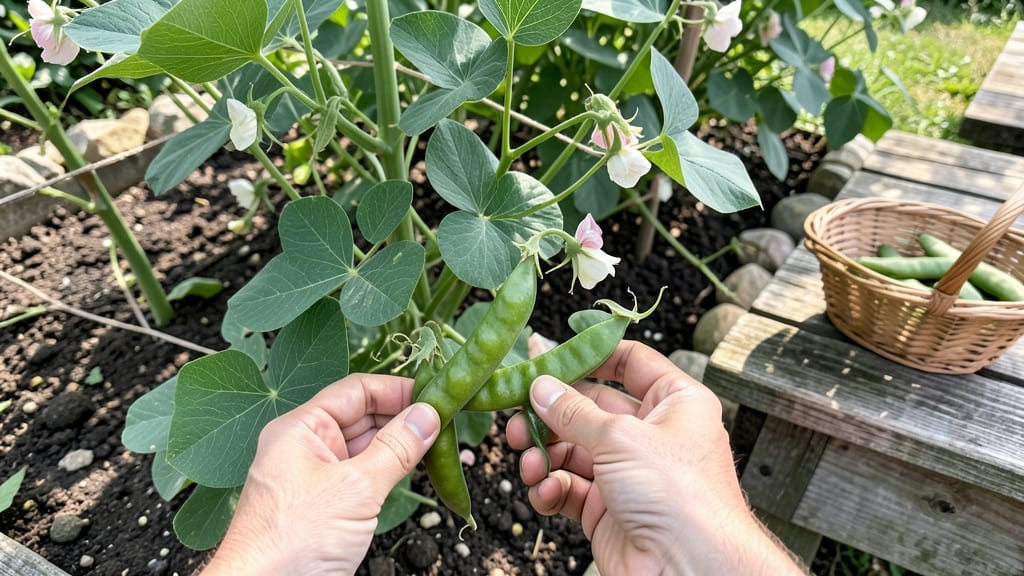
Picking peas from your garden at the right time turns a 5-minute harvest into a sweet, flavor-packed reward—or a tough, mealy disappointment if you wait too long.
Peas are one of the fastest-growing vegetables in your garden, but timing their harvest wrong can turn sweet, tender pods into tough, fibrous disappointment. Here’s exactly when to pick them for maximum flavor.
You’ll learn to spot the 3 key signs of perfectly ripe peas—pod size, color, and texture—so you never miss the window. Whether you’re growing snap peas, snow peas, or shelling peas, these cues apply to all varieties.
From early spring plantings to late-summer batches, I’ll break down how climate and variety affect your harvest schedule—and how to keep your plants producing until the last pod is ready.
3 Clear signs your peas are ready for harvest (and how to check them daily)
Peas are one of the most rewarding vegetables to grow, but their sweetness disappears fast once they mature. Knowing exactly when to pick peas ensures you enjoy that crisp, tender texture and delicate flavor.
Unlike many crops, peas don't wait for you—they toughen and lose quality within hours of reaching peak ripeness. That's why daily checks are essential, especially during their 6-8 week harvest window.
I’ve learned the hard way that waiting just one extra day can turn a perfect pod into something chewy and disappointing. The good news? Identifying ready-to-harvest peas only requires three simple visual and tactile cues.
Master these, and you’ll never miss a harvest again. Let’s break down what to look for each morning as you walk through your garden.
🌱 Numbered Highlights: How to Check Peas Daily
- 📏 Pod Size: Look for pods that are 2-2.5 inches long and plump. Anything smaller (under 1.5 inches) is still maturing, while pods over 3 inches become fibrous and tough.
- 💚 Color: Bright, vibrant green pods with a glossy sheen are prime for picking. Yellowing or dull pods mean they’ve passed their peak and are starting to dry out.
- 🤏 Texture: Gently squeeze a pod—it should feel firm and crisp. If it’s soft or mushy, it’s overripe. For snap peas, the pod should snap easily when bent without breaking.
- 🌱 Seed Check: Peek inside by gently pressing the pod—seeds should be visible but not overly large. If seeds fill the pod completely, the peas are past their prime.
💡 Pro Tip: Harvest in the morning when peas are cool and crisp. Use clean, sharp scissors or pinch pods just above the pod to avoid damaging the plant.
Let’s talk about pod size first, because this is the easiest way to gauge ripeness. I measure my peas against a 2-inch ruler for consistency. For snap peas, the ideal length is 2-2.5 inches, while shelling peas should be slightly larger—around 2.5-3 inches.
If you’re growing sugar snap peas, aim for pods that are 3-4 inches long and still tender. The key is to pick them before the seeds inside become too large, which happens faster than you might think.
Next, pay attention to color and glossiness. Bright, vibrant green pods with a slight sheen are your target. Dull or yellowing pods mean the peas have started to dry out, and their flavor will suffer.
I’ve noticed that morning sunlight makes the color pop, so that’s the best time to check. If you’re growing purple or black-eyed peas, the pods will still be bright but with their signature hues—just as crisp as green varieties.
Texture is where many gardeners miss the boat. A ripe pea pod should feel firm to the touch, almost snappy. If it gives slightly when you press it, it’s overripe. For snap peas, the pod should snap cleanly when bent—this is your green light to harvest.
Shelling peas should also be firm but slightly softer than snap peas. If you’re unsure, do the seed check: gently press the pod and look inside. Seeds should be visible but not filling the pod completely.
Now, what if you’ve missed the window? Overripe peas are still edible but lose their signature sweetness and become tough. If pods are dry, wrinkled, or turning yellow, they’re past their prime. However, you can still salvage them by blanching and freezing for later use.
Just be sure to harvest regularly—picking just a few pods daily encourages your plants to produce more, extending your harvest by 2-3 weeks.
Here’s a trick I learned from my neighbor: harvest every other day during peak production. This prevents overcrowding and ensures you’re always getting peas at their sweetest. If you’re growing bush peas, they’ll produce all at once, so plan to harvest daily for 1-2 weeks.
For vining peas, you’ll have a longer window but still need to stay on top of it. Pro tip: Use a small basket or bucket to collect peas—it’s easier to carry than you’d think!
One common mistake is assuming all peas ripen at the same time. In reality, peas mature in waves, especially on vining varieties. Start harvesting from the bottom of the plant upward to encourage more pods to form.
If you notice fewer flowers or smaller pods appearing, your plants may be exhausted. This is your cue to stop harvesting and let them finish their cycle, or consider succession planting for a fall crop.
Finally, don’t forget to rotate your harvest area if you’re growing peas in containers or raised beds. This prevents soil depletion and keeps your plants healthy. And if you’re growing multiple pea varieties, like snap, snow, and shelling peas, each will have slightly different timing.
Snap peas are the fastest, followed by snow peas, with shelling peas taking the longest to mature. Keep a small notebook to track which varieties are ready when!
With these three signs—size, color, and texture—you’ll never miss a harvest again. The more you practice, the quicker you’ll spot the perfect pea. And trust me, there’s nothing like the fresh, sweet crunch of a homegrown pea picked at just the right moment. Happy harvesting! 🌱
Pea harvesting mistakes that ruin your crop (and how to avoid them)
Harvesting peas at the wrong time can turn your sweet, tender crop into a tough, stringy mess. Even experienced gardeners sometimes make critical mistakes that reduce yield and flavor. The key is recognizing subtle signs of overripe or underripe pods and acting quickly.
I’ve learned the hard way that a few extra days on the vine can make all the difference between a perfect snack and a disappointing bite.
One of the biggest mistakes is waiting until pods turn yellow. By then, the peas inside are often shrunken and mealy, and the pods themselves become tough and fibrous.
Another common error is harvesting too aggressively—removing too many pods at once can stress the plant and reduce future production. Even the way you pick the pods matters; using the wrong technique can damage the plant or leave behind immature peas.
🚨 ⚠️ callout warning ⚠️
Peas should be 2-2.5 inches long and bright green—never wait until they’re larger or yellowing. Overripe pods (longer than 3 inches) contain small, hard peas and lose sweetness. Harvest every 2-3 days during peak production to maintain quality and encourage continuous blooming.
✅ Do: Pick pods when they’re firm, round, and glossy.
❌ Avoid: Leaving pods on the vine past their prime or harvesting in wet conditions (which spreads disease).
To harvest correctly, grasp the pod with one hand and gently twist it off the vine. Avoid pulling or yanking, which can uproot the plant or damage stems.
Always use clean, sharp scissors or pruners for larger varieties like sugar snap peas, cutting just above the pod to prevent tearing. Never harvest when the pods are wet—this can introduce fungal infections like powdery mildew, which thrives in damp conditions.
Another overlooked mistake is ignoring plant signals. If your pea plants stop producing new flowers or the leaves turn yellow, they may be exhausted from over-harvesting or struggling with pests like aphids.
In this case, reduce picking frequency and focus on removing spent blooms to encourage new growth. Healthy plants will bounce back if given a chance to recover.
For shelling peas, timing is even more critical. Harvest when the pods are fully swollen but the peas inside are still small and tender. If you wait too long, the peas inside become hard and starchy, losing their sweetness.
A quick test: Squeeze the pod—it should feel firm but yield slightly, like a ripe avocado. If it’s rock-hard, it’s past its prime.
Finally, don’t forget to rotate your harvests. If you’re growing multiple varieties, prioritize picking the earliest-maturing ones first. This prevents overcrowding and ensures you get the best flavor from each type.
With the right technique, you’ll enjoy a steady supply of sweet, crisp peas all season long—no tough pods in sight! 🌱