Picking
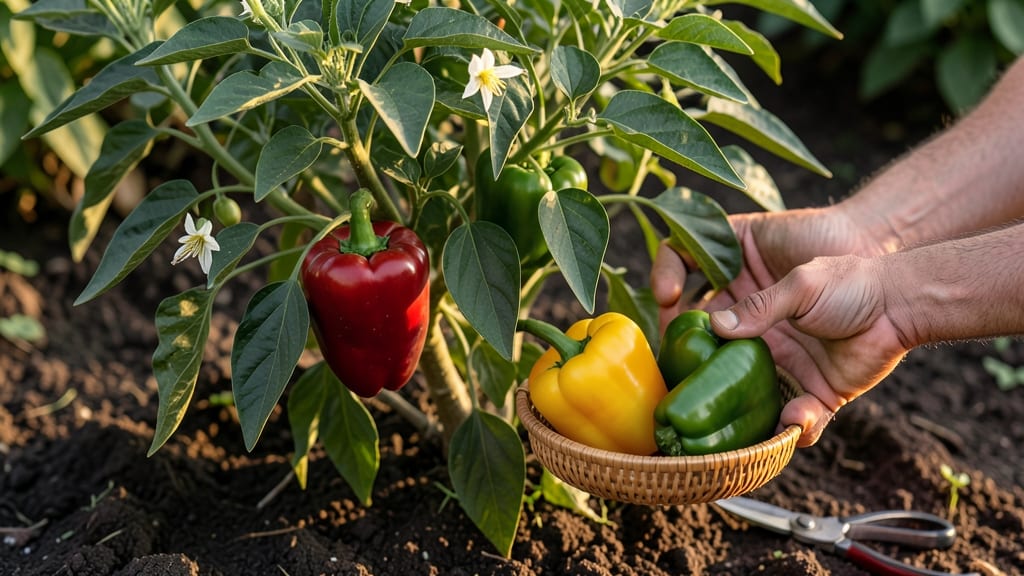
Picking peppers from your garden at the right time ensures the best flavor, texture, and even yield—so timing matters more than you might think.
Picture this: you’ve nurtured your 🌶️ plants all season, only to bite into a pepper that’s still tough and bland. That’s the difference between a perfect harvest and a disappointing one.
The color, size, and firmness all signal when it’s time to pick, and missing those cues can mean losing out on peak sweetness or letting peppers rot on the vine.
Not all peppers ripen the same way—bell peppers, jalapeños, and habaneros each have their own ideal stages, and even heirloom varieties throw a curveball.
Below, I’ll break down the color-coded ripeness chart, the best tools for harvesting without damaging your plants, and how to adjust for your climate to maximize flavor and keep the harvest coming all season long.
Whether you’re aiming for fresh eating, drying, or pickling, knowing when to pick peppers is the key to turning your garden into a flavor powerhouse. Let’s dive into the signs you’ve been missing—and how to avoid the most common mistakes that leave you with subpar peppers.
How to identify pepper ripeness by color and size
Knowing when to pick peppers from your garden depends heavily on their color and size, but the rules vary by variety. For example, bell peppers change from green to red, while jalapeños mature from green to red or purple.
Each stage affects flavor, texture, and even storage potential. Let's break down the key indicators for perfect harvest timing.
Most pepper varieties follow a predictable color progression: green → yellow → orange → red. However, some types like habaneros or carolina reapers may stay green or turn deep purple. The size at harvest also matters—peppers won’t ripen further once picked, so timing is everything.
For instance, bell peppers should be 3-6 inches long when harvested, while jalapeños are ready at 2-4 inches.
| Variety | Color Stages | Size at Harvest | Firmness | Best For |
|---|---|---|---|---|
| Bell Peppers | Green → Yellow → Red | 3–6 inches | Firm, glossy | Fresh eating, roasting |
| Jalapeños | Green → Red/Purple | 2–4 inches | Firm, slightly waxy | Pickling, cooking |
| Habaneros | Green → Orange/Red | 1–2 inches | Firm, thin skin | Hot sauces, drying |
| Heirloom Types | Varies (e.g., black, striped) | Check seed packet | Firm, unique texture | Specialty uses |
Green peppers are often harvested before full ripeness for pickling or cooking, but they’ll never develop their signature sweetness. For bell peppers, wait until they’re fully colored—red or yellow—for the best flavor.
Meanwhile, jalapeños and serranos can be picked green for a milder kick or left to turn red for extra heat. Always check the stem end: it should turn brown or yellow when the pepper is ready.
Size is another critical clue. Overripe peppers become soft, wrinkled, or even fall off the plant, while underripe peppers are tough and lack flavor. For example, a bell pepper that’s only 2 inches long won’t reach its full sweet potential.
Use your fingers to gently press the pepper—if it feels firm and glossy, it’s ready. If it yields slightly, it’s past its prime.
Heirloom varieties often buck the trend by staying green or developing unusual colors like black or striped patterns. Always refer to the seed packet instructions for these types, as their ripening cues can differ drastically.
For instance, black beauty peppers stay green until fully mature, so don’t judge ripeness by color alone—focus on size and firmness instead.
Environmental factors like temperature and sunlight also influence ripening. Peppers grown in hot climates may ripen faster, while cooler weather can slow the process. If your peppers aren’t changing color, check for adequate sunlight (6+ hours daily) and consistent watering.
Overwatering or drought stress can cause peppers to stop ripening altogether.
Pro tip: Harvest in the morning when peppers are cool and firm. This ensures you’re getting the freshest produce, and it’s also easier to spot hidden pests or diseases before they spread.
Use a sharp pair of pruning shears or scissors to avoid damaging the plant, and always leave a small portion of the stem attached to prevent rot.
If you’re unsure whether a pepper is ready, err on the side of caution—peppers won’t ripen further after picking. For storage purposes, green peppers can be harvested early and ripened indoors in a paper bag with a ripe banana (the ethylene gas speeds up the process).
However, this method works best for bell peppers and some hot varieties like jalapeños.
Remember, the sweetest and most flavorful peppers are those left to fully ripen on the plant. Whether you’re growing sweet bells or spicy habaneros
Best practices for picking peppers without damaging plants
Harvesting peppers the right way protects your plants and ensures the best flavor. I’ve learned that using the wrong technique can stress your pepper plants, reduce future yields, and even attract pests.
The key is to pick at the right time using gentle methods that keep the plant healthy for continuous production.
Timing is everything—peppers left too long on the vine can become overripe, tough, or even fall off before reaching peak flavor. On the flip side, picking too early means missing out on the sweetness and depth of color that defines a ripe pepper.
I recommend checking your plants every 2-3 days during peak harvest season to stay on top of ripeness.
Leaving peppers on the vine past their prime stresses the plant, diverting energy away from new fruit production. Overripe peppers also attract pests like rodents and insects. Signs of overripe peppers: Soft, wrinkled skin, dark spots, or a hollow sound when tapped. Remove these immediately to protect your plant’s health.
Start by selecting the right tools—sharp pruning shears or a small knife work best for clean cuts. Avoid pulling peppers off by hand, as this can damage the stem and leave the plant vulnerable to disease.
I always twist gently while pulling downward to separate the pepper cleanly from the stem, leaving a small stub behind.
Frequency matters too. For continuous harvests, pick peppers as soon as they reach maturity—this encourages the plant to produce more. Bell peppers and jalapeños typically mature in 60-90 days, while hotter varieties like habaneros may take longer.
I aim to harvest every 3-5 days during peak season to keep my plants productive.
Watch for subtle cues that indicate ripeness. A ripe pepper will feel firm to the touch and have a glossy skin. The stem should also bend easily when gently twisted—if it snaps too easily, the pepper may be overripe.
For colored varieties, the stem end should turn from green to brown or yellow, signaling full maturity.
After harvesting, store peppers properly to extend their shelf life. Keep them in a cool, dry place (like a pantry) for short-term storage, or refrigerate for longer periods. Proper handling ensures you enjoy homegrown peppers at their peak flavor without wasting your hard work.