
Picking
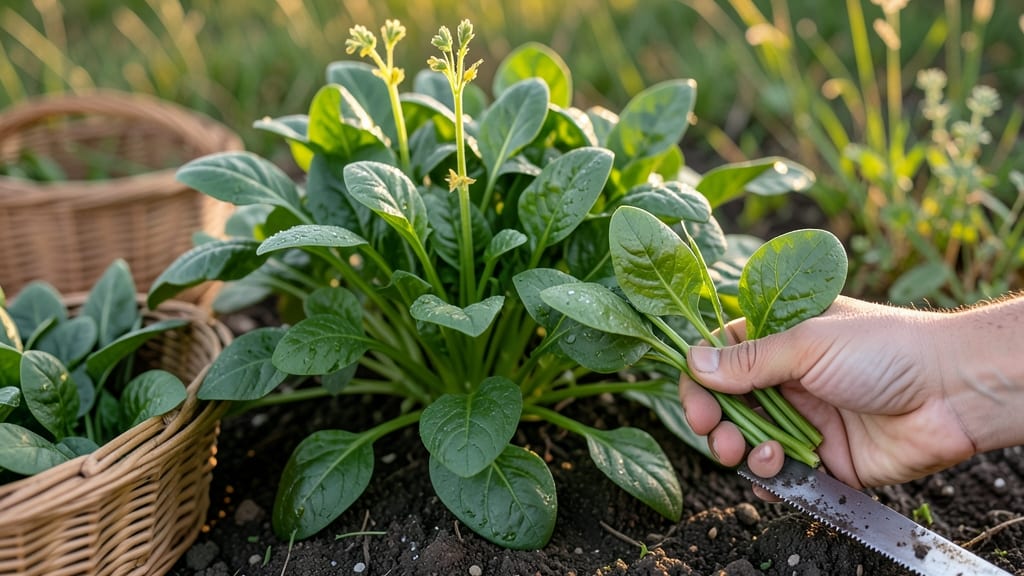
To pick spinach from your garden at the perfect time means harvesting tender, sweet leaves instead of tough, bitter ones — and the difference comes down to leaf size, weather, and a few key visual cues.
Ever reached for a handful of spinach 🥬 only to wince at the texture? That’s usually a sign you waited too long. The ideal window is when leaves hit 4–6 inches, stay bright green, and snap crisply — not when they’re woody or flowering.
Miss this mark, and you risk bolting, which turns your harvest into a sad, seedy mess.
Here’s the game-changer: leaf-by-leaf harvesting keeps your spinach producing for weeks. By snipping outer leaves first, you encourage regrowth while avoiding the common mistake of yanking the whole plant. Whether you’re in Zone 6a or just starting, this method works for both spring and fall crops.
Below, I’ll walk you through the exact signs to watch for, how to extend your harvest season, and the one mistake that kills regrowth faster than heat waves. Ready to turn your spinach patch into a continuous feast?
How to identify the perfect time to harvest spinach leaves
Timing your spinach harvest correctly ensures you get the most tender, flavorful leaves possible. Unlike many vegetables, spinach thrives on selective harvesting, allowing you to enjoy a continuous supply all season. The key lies in watching for specific visual cues that signal peak readiness—before the leaves toughen or bolt.
Start by focusing on leaf size, which is your primary indicator. Ideal spinach leaves for harvest should reach 4–6 inches long, with a broad, arrowhead shape. Smaller leaves (<3 inches) are still too young, while larger ones may already be developing tougher textures. Pay attention to the color intensity—vibrant, deep green leaves are a sign of optimal maturity.
Texture is another critical clue—run your fingers over the leaves. Perfectly ripe spinach should feel crisp and tender, almost like fresh lettuce. If the stems feel woody or the leaves have a bitter taste, you’ve waited too long.
These signs mean the plant is shifting energy toward seed production, a process called bolting, which ruins flavor and texture.
Here’s a quick visual guide to help you spot the perfect harvest window at a glance:
| Harvest Indicator | Ready for Harvest? | Action |
|---|---|---|
| Leaf Size | 4–6 inches long | Harvest outer leaves |
| Leaf Color | Deep, bright green | Pick for best flavor |
| Stem Texture | Crisp, not woody | Harvest immediately |
| Taste Test | Sweet, mild flavor | Continue harvesting |
| Bolt Signs (flowers) | Yellow flowers appear | Harvest all leaves |
For continuous regrowth, avoid cutting the inner leaves or the growing point at the base of the plant. Instead, focus on harvesting the outer leaves first, leaving the center intact. This method encourages the plant to produce more leaves, giving you a steady supply for weeks.
In cooler climates, you can even extend the harvest into early summer by providing afternoon shade if temperatures rise above 75°F.
If you notice your spinach developing bolting stems (tall, flower-producing stalks), it’s a clear sign to harvest immediately. Bolting usually occurs when spinach experiences heat stress or day length changes. Once this happens, the leaves become bitter and tough, making them unpalatable.
For fall plantings, bolting is less likely, but keep an eye out for these signs to avoid wasting your crop.
Morning is the best time to harvest spinach because the leaves are fully hydrated and crispest. Use a sharp pair of pruning shears or clean scissors to cut the outer leaves about 1 inch above the base.
This prevents damage to the plant and encourages faster regrowth. After harvesting, rinse the leaves gently under cool water to remove dirt, but avoid soaking them to preserve crispness.
In spring plantings, you can expect your first harvest around 4–6 weeks after sowing, depending on your climate. For fall plantings, the window narrows to about 3–4 weeks before the first frost. Plan your harvest schedule accordingly to enjoy fresh spinach throughout the season.
If you’re unsure whether your spinach is ready, always err on the side of harvesting earlier—you can always leave a few leaves to grow larger for the next round.
Remember, spinach is a cool-season crop, so timing your harvest around temperature fluctuations is key. If a heatwave hits, provide shade cloth to protect your plants and delay bolting.
With the right approach, you can enjoy a bountiful spinach harvest from early spring to late fall, with minimal effort and maximum flavor.
🥬
Leaf-by-leaf harvesting techniques for continuous spinach regrowth
Spinach thrives when you harvest it the right way—leaf by leaf—to encourage continuous regrowth and avoid bitter, tough leaves. Unlike cutting the whole plant, selective harvesting keeps your spinach productive for weeks longer.
The key is timing: wait until leaves reach 4–6 inches but before the plant bolts (sends up flower stalks). This method works best in cool seasons, like spring or fall, when temperatures stay below 75°F.
Spring-planted spinach often needs 4–6 weeks to mature, while fall crops mature faster—3–4 weeks. Adjust your harvesting schedule based on your local frost dates and weather patterns.
For example, in Zone 6a, spring spinach planted in March can be harvested by late April, while fall plantings in August yield by early October. Always check for bright green color and tender stems before harvesting.
Step-by-Step Leaf-by-Leaf Harvesting Guide
- Step 1: Wait for outer leaves to reach 4–6 inches long. These are the largest and most mature.
- Step 2: Use clean, sharp scissors or your fingers to pinch leaves 1 inch above the base. Avoid tearing stems.
- Step 3: Leave the inner leaves (smaller, younger) to keep growing. These will fill out in 7–10 days.
- Step 4: Harvest every 1–2 weeks in spring or weekly in fall to maintain regrowth. Stop when plants bolt.
- Step 5: After harvest, water deeply to 1 inch per week and apply a light nitrogen fertilizer to encourage new leaf growth.
For spring plantings, focus on harvesting in the morning after dew dries to ensure leaves are crisp. In fall, extend the season by planting cold-hardy varieties like 'Winter Bloomsdale' and use row covers to protect from early frosts.
If temperatures rise above 80°F, spinach will bolt quickly—harvest aggressively or remove plants to avoid bitterness.
One common mistake is harvesting too many leaves at once, which stresses the plant. Instead, aim to remove only 1/3 of the plant per harvest. Another tip: Rotate harvesting sides of the plant to ensure even growth.
For example, pick leaves from the west side one week and the east side the next. This balances sunlight exposure and prevents lopsided growth.
To maximize your spinach’s lifespan, mulch around the base with straw to retain moisture and suppress weeds. This keeps soil cool and reduces stress on the plant.
With proper care, a single spinach plant can produce harvests for 6–8 weeks, giving you a steady supply of fresh greens without replanting. Just remember: patience and consistency are key to leaf-by-leaf success! 🥬