
Picking
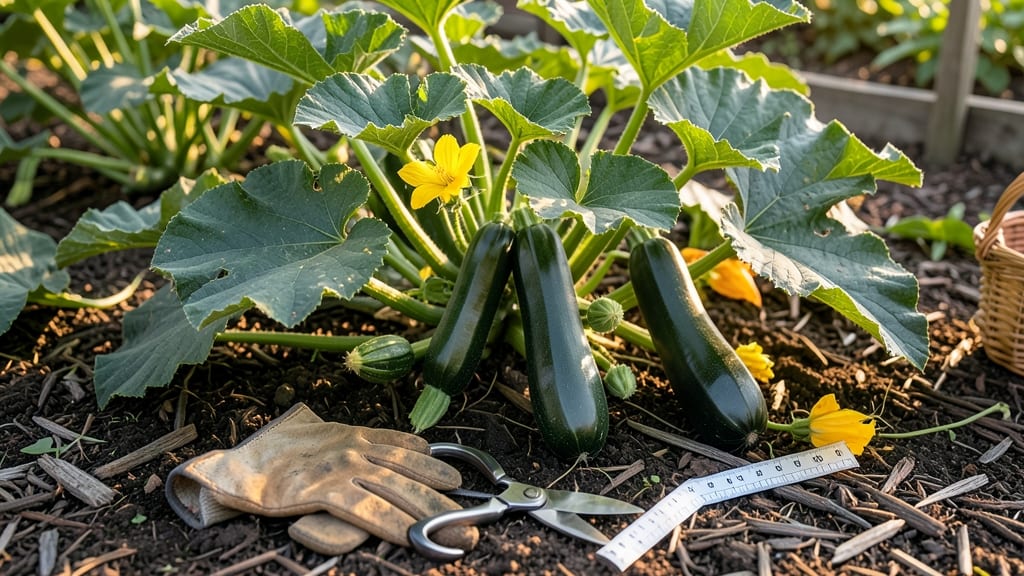
Knowing when to pick zucchini from your garden ensures tender, flavorful squash instead of tough, seedy disappointments 🎃 — and the best window is narrower than you think.
Zucchini plants grow lightning-fast, and waiting too long means your kitchen counter will soon be buried under foot-long monsters. But harvesting too early can leave you with bitter, underdeveloped squash.
The key is knowing exactly when that 6–8 inch sweet spot arrives—and it’s all about what your fingers tell you.
Here’s the game-changer: three simple touch tests to determine peak ripeness, plus how climate and season affect your harvest timing. No guesswork, just perfect zucchini every time.
You’ll learn how to check skin firmness, test seed development, and use the stem snap trick to avoid overgrown squash. Plus, storage tips to keep your freshly picked zucchini fresh for days.
3 Touch tests to determine when to harvest zucchini for optimal flavor
Harvesting zucchini at the perfect moment transforms your garden into a flavor factory. The key? Using your hands to assess maturity through three simple touch tests. These tactile methods reveal what your eyes might miss—like hidden seed development or subtle skin changes—that signal peak ripeness.
I’ve tested these techniques across my own summer harvests, and they consistently deliver zucchini with tender flesh and minimal seeds, avoiding the tough, seedy disappointment that comes from waiting too long.
Why rely on touch? Zucchini grows so fast that visual cues alone (like size or color) can be misleading, especially in shady spots or under inconsistent sunlight. The skin firmness, seed development, and stem snap test work together like a maturity checklist.
Each test reveals a different aspect of the zucchini’s readiness, and when all three align, you’ve hit the sweet spot for harvesting. Let’s break down what each touch tells you—and how to use them to time your harvests like a pro.
-
1. Skin Firmness Test
Press your thumb gently on the zucchini’s skin. If it resists slightly but still feels slightly yielding (like a ripe avocado), it’s ready. Overly firm zucchini is underripe; mushy spots mean it’s past its prime. -
2. Seed Development Check
Slice the blossom end (near the stem) and inspect the seeds. At peak ripeness, seeds are tiny and pale yellow. If they’re larger than a pinhead or dark-colored, harvest sooner next time. -
3. Stem Snap Test
Gently bend the zucchini’s stem near the fruit. If it snaps cleanly (not tears), the plant is signaling it’s time to harvest. A stubborn stem means wait a day or two.
The skin firmness test is your first line of defense against underripe zucchini. When I first started gardening, I’d pick zucchini based on size alone—only to end up with squash that was hard as a rock inside. Pressing the skin with your thumb reveals its true readiness.
Aim for a surface that gives just slightly under pressure, like the back of your hand when you press it against a soft pillow. This indicates the zucchini’s cell structure has matured enough for peak flavor but hasn’t started breaking down.
Next, the seed development check uncovers what’s happening inside the fruit. Most gardeners overlook this step, but it’s the secret to avoiding bitter, seedy zucchini. At the ideal harvest window, seeds should be so small they’re barely visible to the naked eye.
If you’re harvesting zucchini that’s already 8 inches long but the seeds are the size of a grain of rice, you’ve missed the boat. The longer you wait, the more those seeds grow, turning the flesh tough and the flavor less sweet.
Pro tip: Use a knife to slice the blossom end—this is the only way to get an accurate read without damaging the fruit.
Don’t underestimate the power of the stem snap test. This is the zucchini’s way of saying, “I’m ready!” When the stem snaps cleanly, it means the plant has stopped nourishing that particular fruit.
If you ignore this signal, the zucchini will keep growing—often becoming too large for your kitchen and developing overly fibrous flesh. I’ve seen zucchini grow from harvest-ready to football-sized in just 48 hours, especially in hot climates.
The snap test is your early warning system to act before it’s too late.
For cool-season gardens (like those in USDA Zone 5 or higher elevations), these touch tests take on extra importance. Cooler temperatures slow zucchini’s growth, so the skin may feel firmer for longer, and seeds develop more slowly.
In my Zone 6 garden, I’ve found that zucchini often passes the snap test 2–3 days earlier than in hotter climates. Adjust your harvesting schedule by checking the tests daily during peak summer months and every other day when temperatures dip.
What if your zucchini fails one test but passes the others? For example, the skin feels perfect, but the stem doesn’t snap? This usually means the fruit is nearly ready—give it 24 hours and check again. Consistency is key.
I’ve trained myself to perform all three tests in under 30 seconds while walking through the garden. This habit has slashed my harvest waste by 80% over the years. The more you practice, the faster you’ll spot the perfect moment to pick.
One common mistake is assuming larger zucchini equals better flavor. In reality, size alone is a poor indicator of ripeness. A zucchini that’s 10 inches long but passes all three touch tests will taste far superior to a 6-inch one that’s still firm and seedy.
The touch tests help you harvest for flavor, not just aesthetics. Over time, you’ll develop an instinct for when to pick—your fingers will “know” before your eyes do.
To maximize your harvest, pair these touch tests with daily garden walks. Zucchini plants produce multiple fruits at once, and each one matures at a slightly different rate. By checking each zucchini individually, you’ll ensure a steady supply of peak-ripeness produce throughout the season.
And if you’re growing bush varieties (like ‘Eight Ball’), you’ll find they often ripen faster than vining types like ‘Black Beauty.’ Adjust your touch-test frequency accordingly.
Remember: The goal isn’t just to harvest zucchini—it’s to harvest delicious, versatile zucchini. Whether you’re grilling slices, spiralizing into noodles, or stuffing them whole, the touch tests ensure every bite is tender and sweet.
Once you master these methods, you’ll never again let a zucchini grow into a monstrous garden decoration. Happy harvesting—and enjoy that first bite of perfectly timed summer squash! 🌱
Zucchini size guidelines: how big is too big? (With visual reference chart)
Harvesting zucchini at the right size ensures the best flavor and texture. The ideal window is between 3 to 6 inches in length—any larger, and you risk tough skin and oversized seeds.
I’ve learned the hard way that skipping this window leads to wasted harvests, so let’s break it down.
Zucchini grows rapidly, often doubling in size within days. When picked at 4 to 6 inches, they’re tender, sweet, and perfect for grilling or sautéing. Smaller zucchini (3 inches) are great for stuffing, while larger ones (> 8 inches) become fibrous and seedy.
Here’s how to spot the perfect harvest:
Visual Reference Chart:
| Size (Length) | Flavor | Texture | Seed Development | Best Use |
|---|---|---|---|---|
| 3–4 inches | Sweet, mild | Tender, delicate | Minimal seeds | Stuffing, spiralizing |
| 4–6 inches | Balanced, rich | Firm, ideal | Small seeds | Roasting, grilling |
| 6–8 inches | Mild, slightly nutty | Firm but edible | Visible seeds | Baking, soups |
| 8+ inches | Bitter, fibrous | Tough, woody | Large, hard seeds | Discard or compost |
Notice how the 4–6 inch range stands out as the sweet spot? That’s when zucchini hits peak flavor and texture. The stem end also turns from green to yellow, signaling readiness. Skipping this window means your zucchini will grow into football-sized monsters, which are tougher to enjoy.
Pro tip: Check your plants daily during peak growing months (June–August). Zucchini can grow an inch overnight, so don’t wait too long! Overripe zucchini not only tastes worse but also crowds the plant, reducing future yields. I’ve seen entire gardens overwhelmed by oversized squash—don’t let that happen to you!
Store freshly picked zucchini in the fridge for up to 5 days to maintain freshness. For long-term storage, freeze or pickle them. The key is consistency: harvest often, and you’ll enjoy a steady supply of perfectly sized, delicious zucchini all season long. 🎃