
Planting
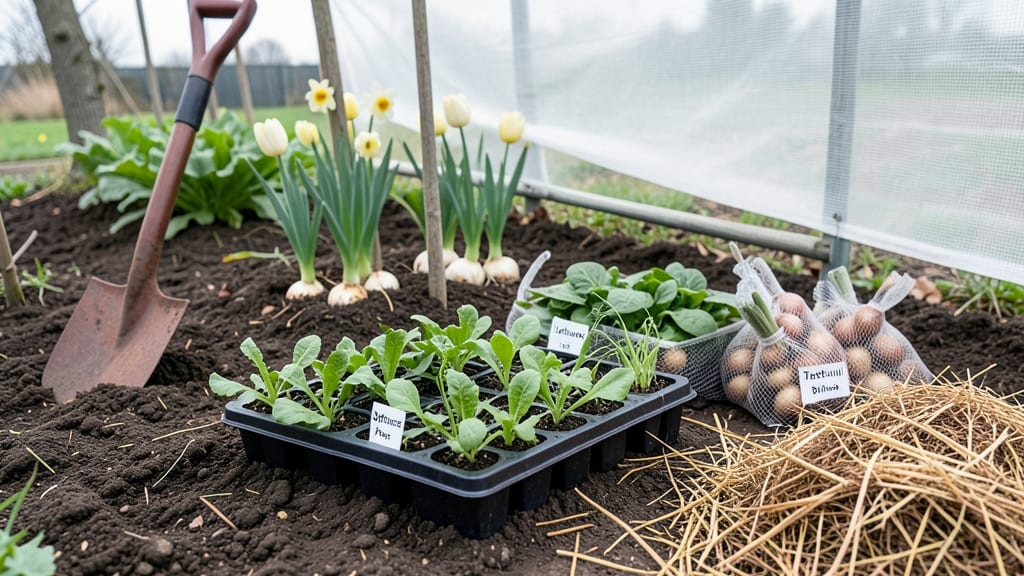
Planting a garden in Cleveland, Ohio, means timing your crops to beat the last frost date—usually around mid-April—while avoiding the lake-effect snow that can sneak in even after the calendar says spring.
Cleveland’s unpredictable spring weather can turn a gardener’s excitement into frustration—plant too early, and frost will strike; too late, and your growing season shrinks. But with the right frost-free timeline, you can maximize your garden’s potential and enjoy fresh 🌱 General Garden Vegetables from spring to fall.
Whether you’re sowing cool-season crops like spinach in early March or waiting for the soil to warm for tomatoes in late May, knowing your USDA Zone 6a planting windows is the key.
The difference between a thriving garden and a failed one often comes down to those first few weeks after the frost.
Below, I’ll break down the exact frost dates, the best months for planting, and how to stretch your season—so you can grow more, harvest sooner, and avoid the heartbreak of a late frost.
Cleveland Ohio frost dates: key planting windows by last spring frost
Cleveland’s last spring frost date typically falls between April 15 and May 5, but this window can shift dramatically based on microclimates. The Lake Erie effect often delays frost in areas near the water, while inland spots may see frost as late as May 10.
Understanding these dates helps you avoid frost damage to tender seedlings while maximizing your growing season.
Historical data from the National Weather Service shows Cleveland’s average last frost date is April 22, but the safest bet is to wait until May 1 for warm-season crops. Cool-season vegetables like kale or peas can handle light frosts, but tomatoes and peppers need consistent warmth.
Here’s how to use frost dates for your planting schedule:
For cool-season crops, start seeds indoors in March for early harvests. Hardier varieties like Swiss chard or spinach can even handle light frosts, but avoid planting warm-season crops until after May 15 to prevent damage.
Cleveland’s first frost typically arrives around October 15, but it can occur as early as October 1 in some years. Use this date to plan your fall planting—cool-season crops like kale and radishes thrive in cooler weather and can be sown as late as September 1.
Microclimates play a huge role in Cleveland’s frost patterns. Areas near Lake Erie often experience delayed frosts due to the lake’s moderating effect, while inland neighborhoods like Parma or Solon may see frost 1–2 weeks earlier. Use local weather stations or gardening apps to track real-time conditions.
To protect tender plants, keep row covers or cold frames handy for late spring or early fall plantings. Even a light frost can kill young tomato or pepper plants, so always monitor forecasts and be ready to cover crops if needed.
Pro tip: Use hardy varieties suited to Cleveland’s short season, like ‘Early Girl’ tomatoes or ‘Sugar Snap’ peas. These varieties mature faster, giving you more time to enjoy your harvest before frost sets in.
🌱
Best vegetables to plant in Cleveland by month: a month-by-month guide
Cleveland’s short growing season demands precision—planting at the right time means the difference between a bountiful harvest and wasted effort. March through June are your prime windows for cool-season starters and warm-season powerhouses.
I’ve broken down the best vegetables to plant each month, tailored to Cleveland’s USDA Zone 6a and average last frost date of April 15. Skip the guesswork and grow what thrives in your timeline!
Start with leafy greens and root crops in March, then transition to tomatoes, peppers, and squash by late May. The key? Succession planting for continuous harvests and choosing fast-maturing varieties to beat Cleveland’s early fall frosts. Let’s dive into the month-by-month game plan to maximize your garden’s potential.
- March: Plant spinach, kale, peas, and radishes under row covers for early starts. Onion sets and potatoes can go in the ground as soon as soil is workable (around 40°F).
- April: Add lettuce, carrots, and Swiss chard 4–6 weeks before last frost. Bush beans and cucumbers can start indoors for transplanting after frost.
- Late April–Early May: Harden off tomato and pepper seedlings indoors. Broccoli and cauliflower thrive when planted 3–4 weeks before last frost.
- May (after frost): Transplant tomatoes, peppers, and eggplants into warm soil. Squash, zucchini, and corn love the heat—plant after soil reaches 60°F.
- June: Succession plant bush beans, cucumbers, and summer squash for continuous harvests. Sweet potatoes can start in late June for a fall crop.
Pro Tip: Use frost cloth to extend early season planting by 2–3 weeks!
For cool-season crops, focus on March and April plantings. Varieties like ‘Early Wonder’ peas and ‘Winterbor’ kale tolerate light frosts and even thrive in cooler temps. These plants mature quickly, giving you harvests before summer heat sets in. Direct-sow seeds into well-drained soil enriched with compost for best results.
By late May, shift to warm-season crops that crave heat. ‘Early Girl’ tomatoes and ‘Jalapeño’ peppers are Cleveland-proven winners, but avoid planting them too early—they’ll sulk in cold soil. Use black plastic mulch to warm the soil faster and deter weeds. Pair tomatoes with basil to repel pests naturally.
Don’t overlook succession planting in June! Even after your initial warm-season crops are in, you can still squeeze in bush beans, lettuce, and radishes for late-summer harvests. ‘Contender’ bush beans mature in just 50 days, making them perfect for quick turnarounds.
Water deeply 2–3 times per week to keep soil moist but not soggy.
Cleveland’s growing season is short, but with this month-by-month strategy, you’ll stretch it to its fullest. Start early, transition smartly, and harvest often—your garden will thank you with a season of abundance. Happy planting!