
Planting
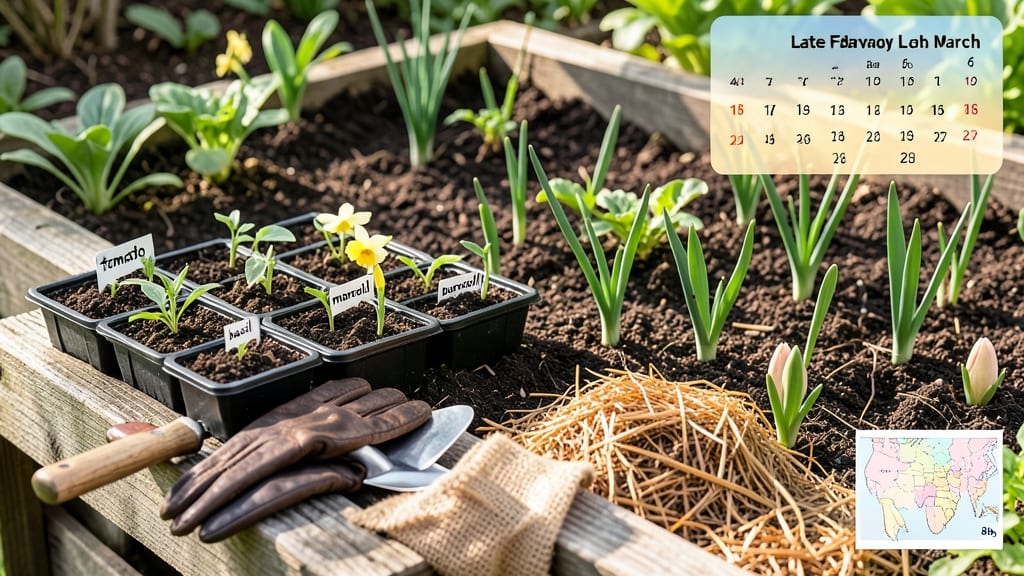
Planting a garden in Georgia at the right time means the difference between a thriving harvest and seeds that never sprout 🌱.
Georgia’s warm climate and extended growing season make it a gardener’s paradise—but planting at the wrong time can mean wasted seeds and stunted plants. Mastering Zone 8a’s frost-free windows is key to maximizing yields and avoiding common mistakes.
If you’ve ever watched your seedlings wilt under a late frost or struggled with bolting greens in summer heat, you know timing matters. The good news? Georgia’s 190-240 frost-free days give you flexibility, but knowing the exact windows for spring and fall planting keeps your garden on track.
Below, I break down the ideal planting months for vegetables, flowers, and perennials—plus how to adjust for microclimates like Atlanta’s Piedmont or Savannah’s coastal warmth. Ready to turn your garden dreams into reality?
Georgia Zone 8a planting deadlines by season: avoid frost risks
Georgia’s Zone 8a climate offers a 240-day growing season, but timing is everything. The last spring frost typically hits around February 15 in coastal areas like Savannah, while inland spots like Atlanta may see frost until March 1.
These dates mark the difference between thriving plants and wasted seeds.
Understanding your microclimate is critical—Atlanta’s higher elevation (1,000 feet) delays spring warmth by 2-3 weeks compared to Savannah’s coastal warmth. Even a 5°F difference can shift planting windows by 10-14 days. Use these guidelines to align your garden with nature’s rhythm.
🌱
For spring planting, I recommend starting cool-season crops like lettuce and peas in late February, even if frost lingers. These hardy plants tolerate light frosts (28°F) and can be harvested before warm-season crops take over. Use row covers for extra protection if frost threatens.
Warm-season crops like tomatoes and peppers need to wait until soil temperatures hit 60°F, usually mid-April in Savannah but closer to May in Atlanta. Test soil with a soil thermometer—cold soil stunts growth and delays fruiting.
If your soil is slow to warm, opt for early-maturing varieties like 'Celebrity' tomatoes.
Summer planting in Georgia’s heat requires strategy. Succession planting every 2 weeks ensures a steady harvest of beans and cucumbers. For heat-sensitive crops like basil, provide afternoon shade and mulch heavily to retain moisture. Avoid planting leafy greens in July—they bolt quickly in 90°F+ temperatures.
Fall is my favorite season in the Georgia garden—longer daylight and cooler soil mean bountiful harvests. Start broccoli and carrots in August for a fall harvest, and don’t forget garlic,
Best crops for Georgia’s extended growing season: what to plant when
Georgia’s long growing season lets you grow almost year-round, but timing is everything. Cool-season crops thrive in early spring and fall, while heat-loving vegetables need summer’s warmth.
Even herbs and leafy greens can grow in winter with protection. Let’s break down the best plants for each season and how to maximize your harvest.
Spring is perfect for cool-season vegetables like broccoli, cabbage, and spinach. These crops handle Georgia’s mild spring temperatures and even light frosts. Meanwhile, warm-season staples like okra and sweet potatoes should wait until soil warms to at least 60°F—usually after mid-April.
Don’t forget herbs like cilantro and parsley, which flourish in cooler months.
🌱 Georgia Planting Timeline
- 🌱 Late February - Early April: Plant cool-season crops (spinach, lettuce, broccoli) and hardy herbs (parsley, chives).
- 🌿 April - May: Start warm-season veggies (tomatoes, peppers, okra) after last frost. Use row covers for early starts.
- ☀️ June - July: Direct-sow heat-lovers (sweet potatoes, southern peas). Mulch to retain moisture.
- 🌾 August - September: Plant fall broccoli, kale, and carrots for winter harvests. Succession plant lettuce.
- 🍂 October - November: Sow winter radishes and onions. Protect with frost cloth if needed.
Summer’s intense heat favors okra, sweet potatoes, and collard greens, which thrive in Georgia’s humidity. For continuous harvests, succession plant lettuce and spinach every 2-3 weeks. Herbs like basil and rosemary also love summer’s warmth but need consistent watering to prevent bolting.
Fall is ideal for broccoli, cabbage, and kale, which sweeten after light frosts. Start seeds in August for transplants by mid-September. Carrots and beets also grow well in cooler months, while garlic and onions can be planted in October for next year’s harvest.
Even winter offers opportunities! Spinach, arugula, and cilantro grow well in Georgia’s mild winters, especially in protected beds. Herbs like thyme and oregano stay green year-round with minimal care. Use row covers or cold frames to extend the season for tender crops.
Plan ahead by checking your last frost date (typically mid-February) and first frost date (mid-November). Adjust planting times based on your microclimate—coastal areas stay warmer longer than inland zones. With the right timing, you can enjoy fresh produce from spring to winter! 🌱