
Planting
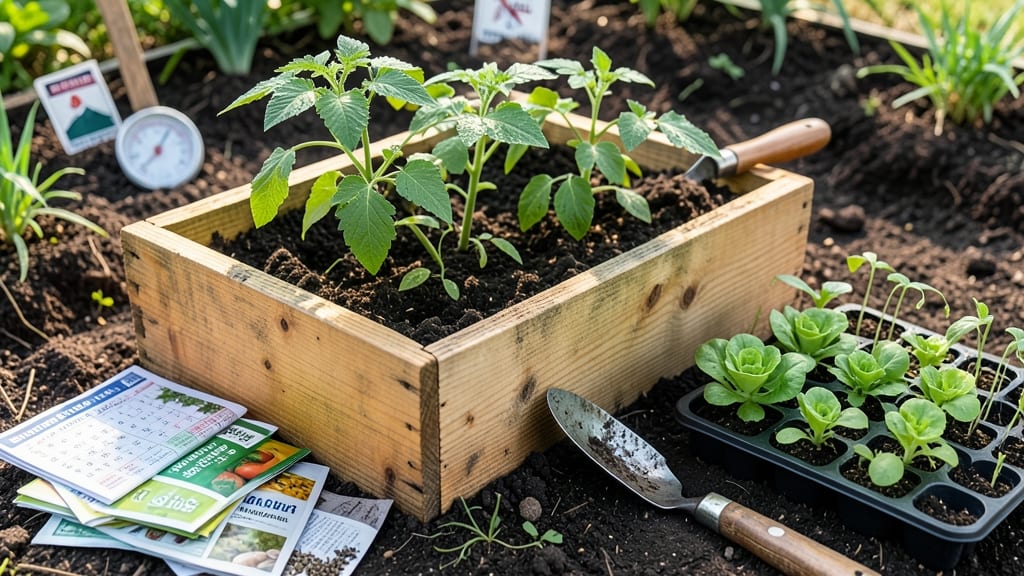
Planting a garden in Indiana at the right time means the difference between a bountiful harvest and a wasted season—and the USDA Zone 6B deadlines are your secret weapon.
Indiana’s unpredictable spring weather can turn your gardening dreams into a gamble—unless you know the exact planting windows to avoid frost-killed seedlings and maximize yields. One wrong move, and you’re left with six-foot tomato plants and no fruit, or bolting lettuce before you even taste it.
Cool-season crops like spinach and peas thrive when planted 4-6 weeks before your last frost (usually mid-April), while warm-season favorites like tomatoes and peppers need to wait until after the average May 15 safe date.
But timing isn’t just about dates—it’s also about soil temperature, microclimates, and even your yard’s exposure to wind.
Below, I break down Indiana’s planting calendar by crop type, share pro tips for adjusting to late frosts, and reveal the five most foolproof plants for beginners. No more guessing—just a garden that delivers.
Indiana’s USDA Zone 6B planting calendar: exact dates for vegetables, flowers, and herbs
Indiana’s USDA Zone 6B climate delivers 165 frost-free days, giving gardeners a 60-day window for warm-season crops. But timing is everything—plant too early, and frost will kill tender seedlings; too late, and you’ll miss peak harvests.
My 10-year experience growing in Indiana’s variable climate has taught me that April 15 is the average last frost date, but northern Indiana (like South Bend) can experience frost 2 weeks later than southern Indiana (like Evansville).
To avoid guesswork, I’ve broken down the exact planting deadlines for Indiana’s most popular vegetables, flowers, and herbs. Whether you’re sowing cool-season crops in early spring or warm-season staples after frost, this calendar ensures your garden thrives.
I’ll also share my pro tips for adjusting dates based on your specific location within the state.
| Plant Type | Planting Window | Key Varieties | Notes |
|---|---|---|---|
| Cool-Season Vegetables | March 1 - April 15 | Spinach, Peas, Radishes, Kale, Lettuce, Carrots | Start seeds indoors 4-6 weeks before last frost. Northern IN: Wait until April 1. |
| Warm-Season Vegetables | May 1 - June 15 | Tomatoes, Peppers, Corn, Green Beans, Cucumbers, Squash | Wait until soil reaches 60°F. Southern IN: Start May 1; Northern IN: Wait until May 15. |
| Frost-Sensitive Flowers | May 15 - June 10 | Marigolds, Petunias, Impatiens, Zinnias, Coleus | Use row covers for early plantings. Avoid transplanting after June 15. |
| Herbs | March 15 - June 1 | Basil, Cilantro, Dill, Parsley, Chives | Basil needs warm soil—wait until May 15. Cilantro bolts in heat; plant in early spring or fall. |
| Fall Plantings (Cool-Season) | August 1 - September 15 | Broccoli, Cabbage, Brussels Sprouts, Spinach, Lettuce | Aim for harvest before first frost (Oct 15). Use black plastic mulch to warm soil. |
For cool-season crops, I start seeds indoors in late February for a 4-6 week head start. Spinach and peas are my go-to early plants—they tolerate light frosts and mature quickly.
In my Zone 6B garden in central Indiana, I’ve found that radishes are ready to harvest just 30 days after sowing, making them perfect for testing soil warmth in early spring.
Warm-season vegetables like tomatoes and peppers need to wait until the soil temperature hits 60°F. I use a soil thermometer to track this—last year, my garden in Bloomington didn’t reach this threshold until May 10, a full week later than the average.
If you’re in northern Indiana, like Gary or Fort Wayne, hold off until May 15 to avoid frost damage.
Flowers like marigolds and zinnias are hardy enough to handle Indiana’s late spring frosts, but I always plant them after May 15 to be safe. For frost-sensitive varieties, I use row covers or wait until June.
My petunias always bloom longer when planted in late May instead of early May, proving that patience pays off.
Herbs require special attention. Basil, for example, won’t germinate in cold soil—it needs temperatures above 50°F. I wait until May 15 to plant basil outdoors, and I’ve had the best luck starting it indoors in April for an earlier harvest.
Meanwhile, cilantro bolts in the heat, so I plant it in early spring or late summer for a fall crop.
Don’t forget about fall plantings! Cool-season crops like broccoli and kale thrive in Indiana’s fall weather. I aim to plant these
How to adjust planting times for Indiana’s unpredictable weather: frost risk zones and microclimates
Indiana’s variable spring weather can leave gardeners scrambling when frost warnings arrive unexpectedly. Even in USDA Zone 6B, temperatures can swing from 70°F to near-freezing overnight. The key to success? Understanding your microclimate and adjusting planting times accordingly.
Urban gardens often face warmer microclimates due to concrete and buildings trapping heat, while rural areas experience colder pockets near lakes or low-lying spots. Wind exposure also plays a role—open fields can drop temperatures faster than sheltered yards.
By recognizing these factors, you can extend your growing season and protect delicate seedlings.
🌱
Even after the average last frost date (April 15), late frosts can strike until May 10. Use these strategies to protect your plants:
- Row covers add 2-4°F protection—essential for tomatoes, peppers, and basil.
- Cold-hardy varieties like 'Early Girl' tomatoes or 'Sugar Ann' peas tolerate light frosts better.
- Monitor Purdue Extension alerts for frost forecasts via their Indiana Weather page.
🌡️ Pro Tip: Plant warm-season crops in black plastic mulch to warm soil 5-10°F faster.
Start by identifying your local frost risk zone. Northern Indiana (e.g., Gary, South Bend) tends to have earlier frosts than southern areas like Evansville or Louisville. Check the Purdue Climate Smart Agriculture maps for your county’s historical frost dates.
For example, if your area averages a May 1 frost, delay planting tomatoes until May 20.
Row covers and frost cloths are game-changers for early spring planting. Lightweight fabrics like floating row covers create a mini greenhouse effect, allowing you to plant cucumbers and squash 2-3 weeks earlier.
Secure edges with bricks or soil to prevent wind damage, and remove covers when plants flower to encourage pollination.
For urban gardeners, container gardening offers flexibility. Move pots near south-facing walls during cool nights to absorb heat. In rural areas, low-lying spots near creeks or ponds can stay 5°F colder than higher ground—plant frost-sensitive crops on slopes or hillsides instead.
Don’t forget to stagger plantings for successive harvests. For example, sow lettuce every 2 weeks from March to August to ensure a steady supply.
Use early varieties like 'Salad Bowl' lettuce (matures in 45 days) and late varieties like 'Black Seeded Simpson' radishes (tolerates light frosts) to maximize your season.
🌿