
Planting
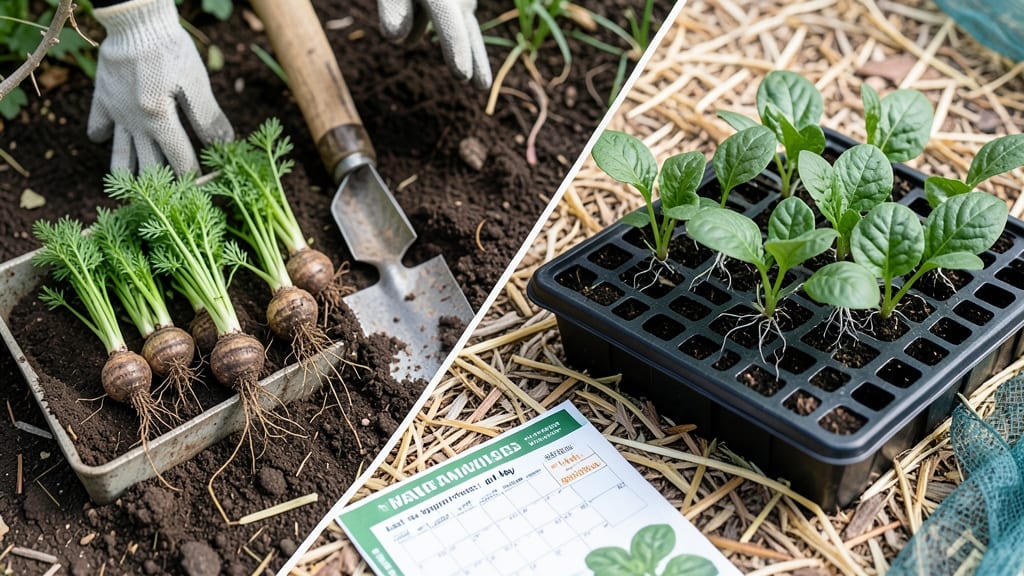
Planting a garden in Minnesota means timing your crops to the 120-160 frost-free days between mid-May and early October — a window that can shift dramatically from year to year.
Picture this: you’ve spent weeks preparing your soil, carefully selecting seeds, and dreaming of a bountiful harvest, only to have a late frost wipe out your hard work. Or worse, you plant too late and miss the growing season entirely.
The stakes are high, but with the right strategy, you can turn Minnesota’s unpredictable climate into your advantage.
This guide breaks down the optimal planting times for everything from cool-season peas to heat-loving tomatoes, using USDA Zones 3-5 as your roadmap. Whether you’re in Minneapolis, Duluth, or Rochester, you’ll learn how to read frost dates, adjust for microclimates, and stretch your growing season with simple tricks.
By the end, you’ll know exactly when to start seeds indoors, when to transplant outdoors, and how to protect your plants from Minnesota’s infamous late frosts. Let’s get your garden growing on time — no guesswork required.
Minnesota planting zones: frost dates by region & key frost-free windows
Minnesota spans USDA Hardiness Zones 3-5, which means frost dates vary dramatically from north to south. Understanding your specific zone helps you time plantings perfectly to avoid late spring freezes or early fall frosts.
Most of the state falls into Zone 4, but northern areas like Duluth reach Zone 3, while southern cities like Rochester sit in Zone 5.
The average last frost date in Minnesota typically ranges from mid-May in the south to early June in the north. However, these dates can shift by 2-4 weeks depending on weather patterns.
For example, Minneapolis usually sees its last frost around May 15th, while Duluth often waits until June 1st.
First frost dates in fall also vary, with northern regions facing frost as early as September 15th, while southern areas may hold off until October 1st. This creates a 120-160 day frost-free window—critical for planning annual crops. Always check local Almanac frost predictions for your specific area before planting.
🌱
Even within these zones, microclimates play a huge role. A south-facing slope or urban heat island can warm up faster in spring, while low-lying areas or water bodies (like lakes) often experience later frosts.
For example, St. Paul might see its last frost 2-3 days earlier than Minneapolis due to its proximity to the Mississippi River.
To adjust for your microclimate, monitor soil temperatures—most seeds need soil at 50°F or warmer to germinate. Use a soil thermometer or check local agricultural extension reports for real-time data.
I always plant cold-hardy crops like peas and spinach 2-3 weeks before my zone’s average last frost, using row covers for extra protection.
For warm-season crops like tomatoes and peppers, wait until after Memorial Day (around May 25th) to plant outdoors, even in Zone 5. These plants are frost-sensitive and won’t survive temperatures below 50°F.
In Zone 3, consider starting these crops indoors in March or using a greenhouse to extend the season.
Fall planting is equally critical. In Zone 4, you can often squeeze in a second crop of kale, carrots, or radishes by planting in late July. Aim to harvest before the first frost, which typically arrives in late September to early October.
Use black plastic mulch or straw mulch to insulate soil and protect tender crops.
🌿
Pro tip: Bookmark the MN State Climatology Office or use apps like Old Farmer’s Almanac to track frost dates in real time. I also recommend planting sacrificial crops (like radishes) early in the season—the
Best planting timeline for Minnesota crops: cool-season vs. warm-season vegetables
Minnesota gardeners know timing is everything—especially when balancing cool-season crops that thrive in chilly weather with warm-season vegetables that need heat to flourish. The key is understanding your last frost date (typically mid-May) and planning around it.
Cool-season crops like kale and peas can handle frost, while warm-season favorites like tomatoes and peppers need to wait until soil warms to 50°F+.
Succession planting is your secret weapon in Minnesota’s short season. By staggering plantings every 2-3 weeks, you ensure a steady harvest. For example, plant lettuce in early spring, again in late summer for fall harvests, and even try spinach in late summer for a winter crop under row covers.
This strategy maximizes your garden’s potential, even with Minnesota’s unpredictable weather.
If your growing season feels too short, don’t despair—cold frames and low tunnels can push your limits. For example, you can start spinach in late August under a row cover and still harvest into November.
Similarly, garlic and onions planted in fall will overwinter and produce early next year. These tricks turn Minnesota’s challenges into opportunities for a longer harvest.
For late starters, focus on fast-maturing varieties like bush beans (50 days) or radishes (25 days). Even if you miss the ideal window, these crops can still deliver a harvest before frost.
Pair them with cool-season crops like turnips and beets, which tolerate light frosts and add color to your garden right up until winter.
Pro tip: Keep a planting journal to track your success. Note which crops thrive in your microclimate and adjust future schedules. For example, if your tomatoes always struggle, try planting them in a south-facing raised bed with black plastic mulch to warm the soil faster.
Small tweaks can make a big difference in Minnesota’s variable climate.
With this timeline, you’ll turn Minnesota’s short season into a bounty of fresh produce. Start with cool-season crops in spring, transition to warm-season favorites in summer, and finish with hardy fall harvests. Happy planting! 🌱