
Planting
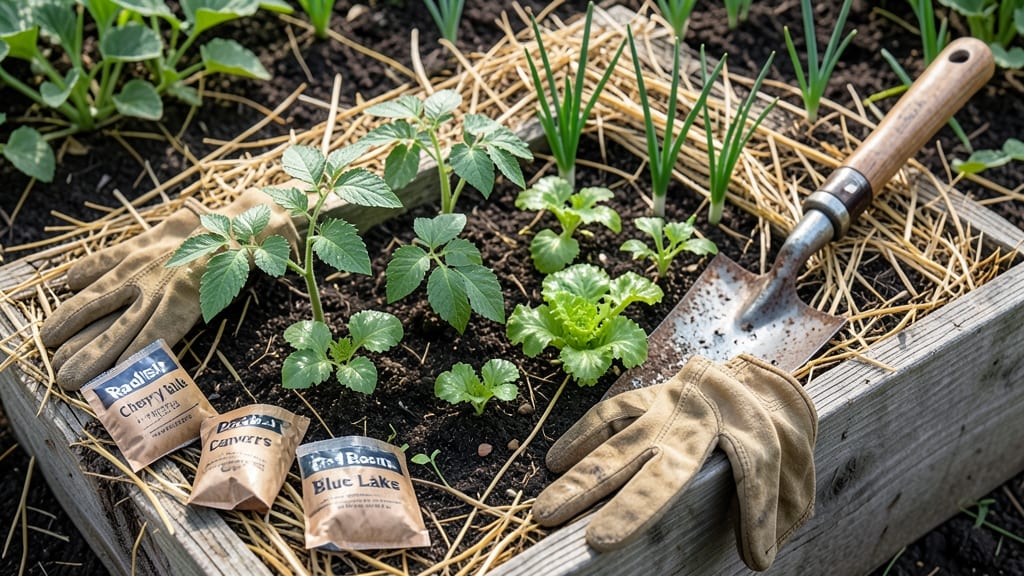
Planting a vegetable garden in New Jersey at the right time means the difference between a thriving harvest and a frost-killed disappointment.
New Jersey’s unpredictable frost dates can make or break your vegetable garden—plant too early or too late, and you risk losing your hard work to freezing temperatures or stunted growth.
Whether you’re in USDA Zone 6b or 7a, timing your 🌱 garden depends on more than just the calendar. Soil warmth, local microclimates, and crop sensitivity all play a role.
Here’s how to nail your planting windows for everything from spring lettuce to fall tomatoes, plus pro tips to stretch your growing season in NJ’s short but sweet climate.
NJ frost dates by season: critical planting windows for vegetable success
New Jersey’s frost dates vary dramatically between northern (USDA Zone 6b) and southern (Zone 7a) regions, creating a 3-4 week difference in planting windows. Understanding these critical frost windows ensures your cool-season crops thrive in spring and warm-season plants establish before fall frost.
For example, northern NJ’s last frost often hits April 15-30, while southern NJ may see May 1-15—a difference that can mean the difference between a thriving tomato plant and a sad, frost-nipped seedling.
Your planting schedule should also account for soil temperature, which typically lags behind air temperature by 2-3 weeks.
Test your soil with a soil thermometer—most vegetables need 50°F+ for germination. Northern NJ gardeners often wait until mid-May for warm-season crops like peppers, while southern NJ can plant as early as late April.
The first frost in fall also shifts: northern areas see frost by October 15-30, while southern NJ may extend harvests until November 15.
🌱 Key Takeaway: Use these average frost dates as guidelines, but monitor local weather forecasts and adjust. For instance, a late-May frost in 2020 hit northern NJ hard—many gardeners lost their early plantings. Row covers or a cold frame can buy you 2-4 extra weeks of growing time in both spring and fall.
📋 Critical Planting Windows by NJ Region
| Region | Last Spring Frost | First Fall Frost | Cool-Season Planting Window | Warm-Season Planting Window |
|---|---|---|---|---|
| Northern NJ (Zone 6b) | April 15–30 | October 15–30 | March 1–April 15 | May 15–June 15 |
| Central NJ (Zone 6b/7a) | April 1–May 1 | October 30–November 15 | March 15–April 30 | April 30–June 1 |
| Southern NJ (Zone 7a) | May 1–15 | November 1–15 | March 15–May 1 | April 15–May 30 |
For cool-season vegetables like lettuce, spinach, and kale, start seeds indoors 6-8 weeks before your last frost date. Northern NJ gardeners should begin in early March, while southern NJ can wait until late March.
These crops tolerate light frosts, but heavy frost (below 28°F) will kill most greens. Radishes and peas are exceptions—they thrive in cooler temps and can often be direct-sown as early as February under row covers.
Warm-season crops like tomatoes, peppers, and cucumbers need consistent warmth to germinate.
In northern NJ, wait until mid-May to plant outdoors, or use biodegradable pots to transplant 4-6 week old seedlings earlier. Southern NJ gardeners can plant directly outdoors by April 15, but always check soil temperature—it should stay above 60°F for 7+ days before planting.
Microclimates within NJ also play a role. Urban areas like Newark or Jersey City often experience 2-3°F warmer temps than rural Pine Barrens or Delaware Water Gap regions. If you’re in a heat island, you can plant warm-season crops 1-2 weeks earlier.
Conversely, cooler microclimates near water bodies may need protective covers until mid-May.
Don’t forget about fall planting! Many gardeners overlook the second planting window for cool-season crops. In <
Best vegetables to plant in NJ by month: month-by-month planting guide
New Jersey’s diverse microclimates mean your planting schedule should adapt from northern to southern regions. While USDA Zone 6b (north) may have earlier frosts than Zone 7a (south), both areas benefit from strategic monthly planting. Start with cool-season crops in early spring, then transition to warm-season favorites as temperatures rise.
For frost-sensitive plants like tomatoes and peppers, wait until after the last frost date (typically mid-April to early May in most of NJ). Meanwhile, leafy greens and root vegetables thrive when planted 4-6 weeks before the first expected frost in fall.
Herbs like basil and cilantro also have specific windows for peak flavor and growth.
In northern NJ, where frosts linger longer, delay planting warm-season crops by 1-2 weeks compared to southern NJ. For example, tomatoes in Zone 6b may not go in until late May, while Zone 7a gardeners can plant in early May.
Always check soil temperatures—most warm-season plants need soil at 60°F or warmer.
Herbs like basil and dill are heat-lovers and should only be planted after mid-May, while parsley and cilantro prefer cooler temperatures and can handle light frosts. Use succession planting for leafy greens like lettuce—sow new seeds every 2-3 weeks to ensure a continuous harvest.
Don’t forget root vegetables like carrots and beets, which thrive in loose, well-drained soil. Plant them in early spring or late summer for fall harvests. For container gardening, choose compact varieties of tomatoes, peppers, and herbs to maximize space.
With this monthly guide, you’ll avoid common mistakes like planting tomatoes too early or letting frost damage your greens. Adjust for your specific NJ microclimate, and soon you’ll be enjoying homegrown tomatoes in July and kale in November! 🌱