
Planting
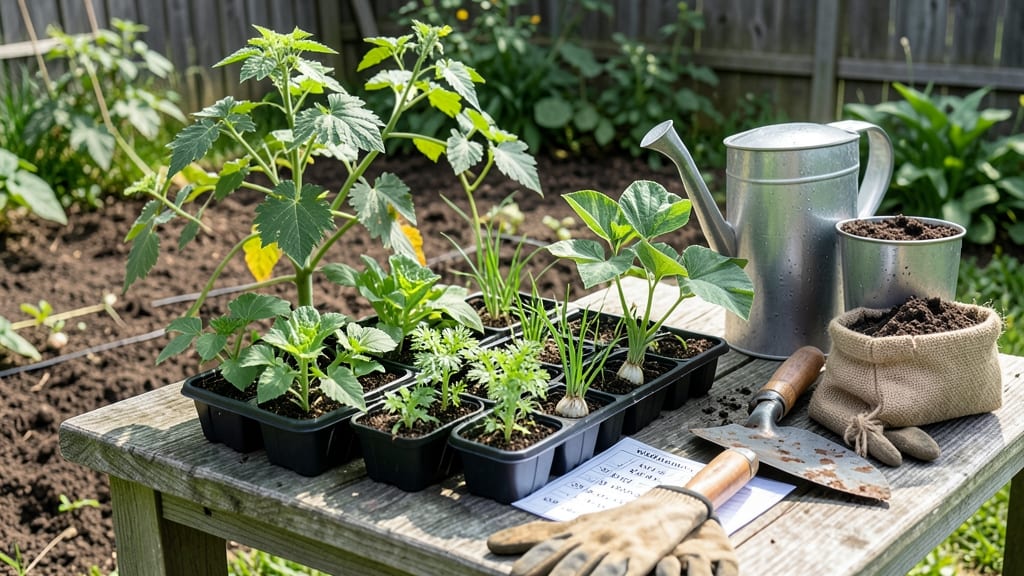
To plant a vegetable garden in Oklahoma, aim for March to April for spring crops and August to September for fall, aligning with the state’s 6a-7b frost-free window.
Oklahoma’s unpredictable weather can make or break your vegetable garden—plant too early and risk frost, too late and miss peak harvests. Timing is everything, especially in USDA Zone 7a where summers scorch and winters bite.
In this guide, I’ll break down the fastest planting deadlines for your region, including frost dates and soil temperature tips to maximize growth before Oklahoma’s heat sets in.
You’ll also discover how to adjust for microclimates, from Oklahoma City’s urban heat islands to rural areas with cooler nights, so your garden thrives year-round.
Critical planting deadlines for Oklahoma’s USDA Zone 7a vegetables (with frost risk dates)
Oklahoma’s USDA Zone 7a offers a 180-220 day frost-free season, but timing your vegetable garden correctly means the difference between bumper crops and wasted seeds.
According to OSU Extension, the average last frost date hovers around March 15, while the first frost typically arrives by November 15. These dates shift slightly based on elevation and microclimates, so always check local forecasts before planting.
Cool-season crops like lettuce, spinach, and peas thrive when planted 4-6 weeks before your last frost date. For Zone 7a, this means starting seeds indoors by mid-February or sowing directly outdoors by late February to early March.
Warm-season crops, such as tomatoes, peppers, and squash, need to wait until soil temperatures reach at least 60°F—usually mid-April to early May—to avoid stunted growth.
Here’s your Oklahoma-specific planting timeline for common vegetables, including frost risk dates and ideal windows to maximize your harvest:
| Vegetable | Planting Window | Frost Risk | Harvest Time | Notes | |
|---|---|---|---|---|---|
| Lettuce | Feb 15–Mar 15 (spring) or Aug 15–Sep 15 (fall) | Risk before Mar 15 or after Nov 1 | May–June (spring) or Oct–Nov (fall) | Bolt-resistant varieties like 'Black Seeded Simpson' | |
| Tomatoes | Apr 15–May 15 (after last frost) | None (warm-season crop) | June–Sept | Heat-tolerant 'Heatmaster' variety recommended | |
| Peas | Feb 1–Mar 15 (spring) or Aug 1–Sep 1 | Risk before Mar 15 or after Oct 15 | Apr–May (spring) or Sep–Oct (fall) | Sow directly; avoid transplant shock | |
| Squash | May 1–Jun 1 (soil 60°F+) | None (warm-season crop) | July–Sept | Use black plastic mulch to warm soil faster | |
| Carrots | Feb 15–Apr 15 (spring) or Aug 15–Sep 15 (fall) | Risk before Mar 15 or after Oct 30 | May–June (spring) or Oct–Nov (fall) | Loosen soil to prevent forking; 'Danvers' variety preferred | |
| Bell Peppers | Apr 15–May 15 (start indoors) | None (warm-season crop) | July–Oct | Transplant after last frost; mulch to retain heat |
| Region | Last Frost Date | First Frost Date | Spring Planting Window | Fall Planting Window | Row Cover Benefit |
|---|---|---|---|---|---|
| Oklahoma City (Urban) | March 10–15 | November 5–10 | March 15–April 10 | August 15–September 10 | Extend spring by 2 weeks |
| Tulsa (Higher Elevation) | March 20–25 | October 30–November 5 | April 1–15 | August 1–15 | Extend spring by 3 weeks |
| Rural Areas (Low Elevation) | March 5–10 | November 10–15 | March 20–April 5 | August 5–20 | Extend spring by 1–2 weeks |
Row covers are your secret weapon for adjusting to microclimates. A simple floating row cover can push back frost dates by 2–4 weeks, letting you plant spinach or kale in February in Oklahoma City’s warmer pockets.
In Tulsa’s cooler zones, use them to start tomato seedlings indoors in March and transplant outdoors by April 15—a full month earlier than usual.
Don’t overlook wind patterns. Oklahoma’s prevailing southwest winds can dry out exposed gardens faster in rural areas. Use windbreaks like tall grasses or hedges to retain moisture, especially for leafy greens and herbs.
In urban areas, concrete and pavement create heat islands—ideal for heat-loving crops like okra or sweet potatoes but risky for cool-season crops if not managed with shade cloth.
Adjust your schedule by observing local cues: when forsythia blooms (signals 50°F soil) or when redbud trees leaf out (time to plant warm-season crops). With these tweaks, you’ll beat Oklahoma’s microclimate curve and enjoy a longer, more productive growing season—no matter where you garden. 🌱