
Planting
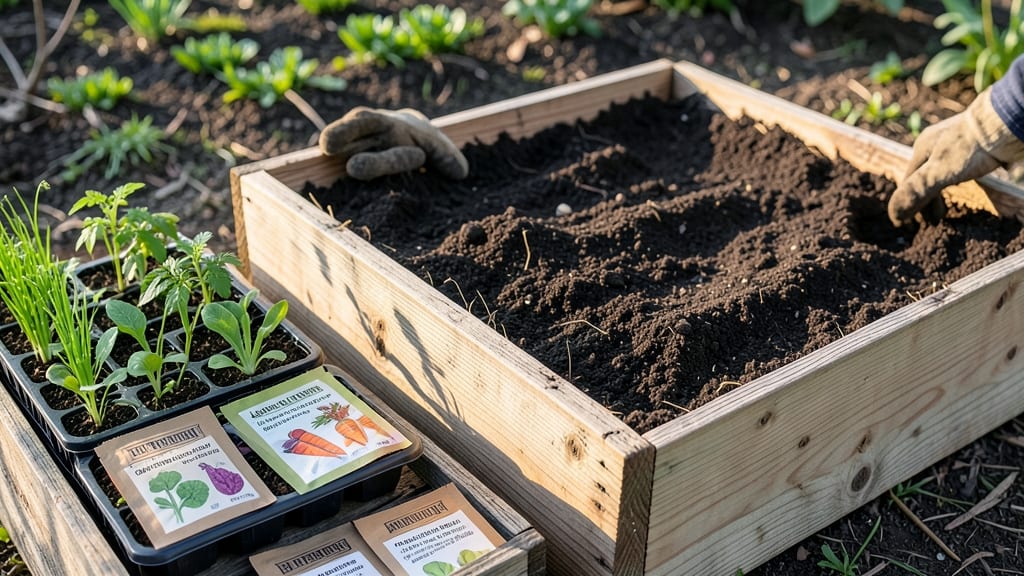
To plant a vegetable garden in Ontario at the right time means catching that narrow window between last frost and summer heat—miss it, and your 🌱 harvest could be a bust.
Planting your vegetable garden at the wrong time in Ontario can mean the difference between a bountiful harvest and a sad, wilted disappointment—especially when frost dates vary by zone and microclimate.
In Zone 5a to 6b, the last frost typically arrives between mid-May and early June, but that’s just the average. Urban areas like Toronto might warm up faster, while rural spots near lakes or hills could linger colder.
Below, I’ll break down the exact planting windows for cool- and warm-season crops, how to spot your microclimate’s quirks, and the one mistake that ruins more Ontario gardens than any other.
Ontario’s last frost dates by gardening Zone: exact timelines for planting
Understanding Ontario’s last frost dates is the key to timing your vegetable garden perfectly. The province spans USDA Zones 3a to 6b, with frost dates ranging from early May in the north to late May in the south.
These variations mean Zone 3 gardeners might wait until May 20, while Zone 6 gardeners could plant as early as May 5. Getting this wrong can mean frost-killed seedlings or stunted growth.
For precise planning, I rely on the Ontario Ministry of Agriculture’s frost maps, which track historical data and microclimates. These maps show not just average frost dates but also historical trends—like the late frosts that hit Toronto in 2020 or the early warm spells in Windsor.
Using these tools, I adjust my planting schedule yearly for cool-weather crops like spinach and peas, which thrive when sown 4-6 weeks before the last frost, and warm-weather crops like tomatoes and peppers, which need to wait until after the danger of frost has passed.
| Zone | Last Frost (Avg.) | Cool Crops (Plant) | Warm Crops (Plant) | First Frost (Avg.) |
|---|---|---|---|---|
| Zone 3 (Northwest ON) | May 20-25 | April 15-May 1 | June 1-10 | September 25-October 5 |
| Zone 4 (Northern ON) | May 10-15 | April 1-May 1 | May 20-June 5 | October 1-10 |
| Zone 5 (Central ON) | May 5-10 | March 20-April 15 | May 15-June 1 | October 10-20 |
| Zone 6 (Southern ON) | April 25-May 5 | March 1-April 1 | May 1-June 15 | October 20-November 1 |
| Zone 7 (Niagara) | April 15-20 | February 20-March 15 | April 20-May 15 | November 1-10 |
*Dates vary yearly; check OMAFRA frost maps for updates.
In Zone 3, where last frosts often hit after May 20, I start cool-season crops like spinach and peas as early as mid-April under row covers.
By contrast, in Zone 6, where frost typically retreats by early May, I can plant radishes and lettuce directly in the soil by late March. This early start gives these fast-growing crops time to mature before summer heat sets in.
For warm-season crops, timing is critical. In my Zone 5 garden, I wait until mid-May to transplant tomatoes and peppers, even though the last frost is usually around May 10.
This extra buffer protects against late frosts, which can still occur in early June. I also use soil thermometers to ensure the ground is above 10°C (50°F)
Historical trends show that late-spring frosts are more common in northern Ontario, while southern regions like Windsor and London experience earlier and more predictable frost-free dates. For example, in Zone 6, I’ve seen June frosts delay planting by up to two weeks. To mitigate this risk, I use frost cloths or move potted plants indoors during unexpected cold snaps.
Microclimate hacks to extend your Ontario growing season
Ontario’s gardening zones provide a general guideline, but your local microclimate can shift frost dates by 1-3 weeks. Urban areas like Toronto often experience urban heat islands that delay frosts, while lakeside zones stay cooler longer.
Even within your backyard, a south-facing slope might warm up faster than a north-facing valley. Understanding these nuances lets you plant earlier or later than the average frost date suggests.
For example, my lakeside garden in Zone 6b often sees frost-free dates 2 weeks later than the official average because lake breezes keep temperatures down. Meanwhile, my neighbor’s urban heat island garden in the same zone can plant tomatoes 10 days earlier than me.
These differences matter when choosing heat-tolerant varieties or deciding whether to use row covers for early starts.
Microclimate Adjustments for Ontario Gardens
- ✅ Plant warm-season crops 7-10 days earlier
- ✅ Use shade cloth for heat-sensitive plants
- ✅ Choose drought-tolerant varieties (e.g., 'Heatmaster' tomatoes)
- ✅ Delay planting by 10-14 days after official frost date
- ✅ Use windbreaks to protect from lake breezes
- ✅ Opt for cool-season varieties (e.g., 'Early Wonder' peas)
- ✅ Plant 2 weeks later than valley gardens
- ✅ Use row covers for frost protection
- ✅ Choose hardy perennials (e.g., asparagus, rhubarb)
- ✅ Plant 1-2 weeks earlier than hilltops
- ✅ Avoid waterlogged soils with raised beds
- ✅ Select frost-tolerant crops (e.g., kale, spinach)
To spot your unique microclimate, track local frost patterns for 3 years. Note when last frost occurs in your garden versus official dates, and observe which areas warm up fastest in spring.
My south-facing raised bed hits 50°F soil temps (ideal for planting) 14 days earlier than my north-facing in-ground plot. Simple tools like soil thermometers ($10 at garden centers) or frost-sensitive plants (like coleus, which wilts at 32°F) can reveal your microclimate’s secrets.
Extend your growing season with season extenders tailored to your microclimate. In urban heat islands, I use shade cloth to protect lettuce from bolting, while my lakeside garden benefits from cold frames that trap heat.
For windy hilltops, windbreaks made of corn stalks or bamboo fencing create microclimates that shield delicate pepper plants. Even heat-tolerant varieties like 'Black Krim' tomatoes or 'Malaga' cucumbers thrive in urban heat, while 'Sugar Ann' peas do better in cooler lakeside zones.
Don’t overlook succession planting as a microclimate hack.
In my Zone 6b garden, I plant bush beans in three batches: early in late May for the urban heat island bed, June 1st for the lakeside zone, and July 15th for the valley garden where late frosts are common.
This ensures a continuous harvest regardless of microclimate quirks. Pair this with interplanting (e.g., radishes with carrots) to maximize space and extend your harvest window.
Start small: test one microclimate adjustment this year. Try planting one variety 10 days earlier in your warmest spot or using a row cover in your coolest zone. Document results—you might discover your backyard’s hidden growing potential.
With these hacks, I’ve successfully grown tomatoes until October 1st in my urban heat island and spinach through late May in my lakeside garden, defying Ontario’s typical frost dates. 🌱