
Planting
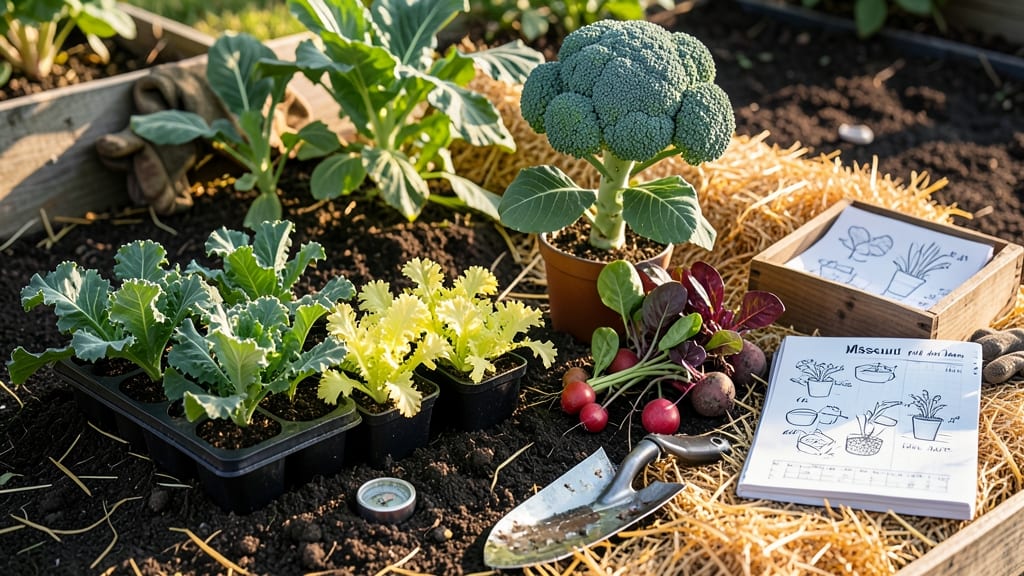
Planting a fall garden in Missouri at the right time means the difference between a bountiful harvest and a frost-killed disappointment.
Missouri’s unpredictable fall weather can make or break your harvest—but planting at the right time ensures a thriving garden even as winter nears. Miss these windows, and frost will turn your hard work into a sad, icy memory.
With USDA zones 5b–7a across the state, timing varies wildly from St. Louis to the Ozarks. Too early, and summer’s heat zaps your seedlings; too late, and the first frost steals your greens.
Here’s your zone-by-zone planting schedule—plus the exact crops to prioritize for a zero-frost fall garden, from heat-loving tomatoes to frost-tolerant kale.
Missouri fall planting dates by hardiness zone: exact weeks for zero-frost success
Missouri’s USDA hardiness zones 5b, 6a, and 7a create distinct fall planting windows. The key? Planting 6-8 weeks before your first frost ensures mature harvests before winter sets in. For zone 5b (northern MO), aim for mid-August to early September, while zone 7a (southern MO) extends until mid-October.
Local climatology shows average first frosts between October 15 (zone 5b) and November 1 (zone 7a), so timing is everything.
Heat-tolerant crops like tomatoes and peppers need early starts—plant them by late July to early August in all zones.
Cool-season crops such as spinach and kale thrive when planted 4-6 weeks before frost, meaning late August for zone 5b and early October for zone 7a. Use these windows to avoid frost damage and maximize your harvest.
Missouri’s fall frost dates vary dramatically by zone. Zone 5b gardeners face average first frosts by October 15, while zone 7a can push harvests until November 15. This means your 60-day crops (like radishes) have a shorter window than 90-day crops (like broccoli). Plan accordingly to avoid winter-killed plants.
| Zone | Heat-Tolerant Crops (Plant) | Cool-Season Crops (Plant) | First Frost Date | Key Tip |
|---|---|---|---|---|
| 5b (North) | Late July–Early August | Mid-August–Early Sept | October 15 | Use row covers for late crops |
| 6a (Central) | Early August–Mid-August | Late August–Early Oct | October 30 | Extend season with black plastic mulch |
| 7a (South) | Mid-August–Late August | Early Sept–Mid-Oct | November 15 | Plant frost-tolerant greens last |
For zone 5b gardeners, focus on fast-maturing crops like bush beans (50 days) and lettuce (30 days). These can be planted in late July and still harvest before frost. Meanwhile, slow growers like broccoli (90 days) need an early August start to reach maturity.
Zone 6a offers a slightly longer window, allowing for two plantings of spinach—one in late August and another in early October.
In zone 7a, you can push boundaries with late-season crops like carrots and radishes. Plant these in early October for a harvest just before frost. However, avoid planting warm-season crops (like cucumbers) after mid-August—they’ll struggle with cooling temperatures and won’t mature in time.
Missouri’s fall soil temperatures drop faster than you might expect. By mid-September, nighttime temps can dip into the 50s°F, slowing growth. Use soil thermometers to monitor—ideal planting temps for cool-season crops are 50-65°F.
If soil is too warm, wait a week or two to avoid bolting (premature flowering) in greens like lettuce.
Pro tip: Succession planting works wonders in Missouri’s fall garden. For example, sow radishes every 2 weeks from late August through early October. This ensures a continuous harvest until frost.
Similarly, spinach and kale can handle light frosts, so plant them 4 weeks before your last expected frost for a late-season boost.
Don’t forget herbs like cilantro and parsley, which thrive in cooler weather. Plant these in late August to early September across all zones. They’ll add fresh flavor to your fall meals and survive light frosts, making them a low-risk, high-reward choice.
Finally, protect your plants with row covers or cold frames if frost threatens early. These simple tools can extend your harvest by 2-4 weeks, turning a potential loss into a bonus late-season bounty. With these exact planting dates, your Missouri fall garden will be a zero-frost success.
Best fall crops for Missouri gardens: fast-growing vs. slow-maturing varieties
Fall gardening in Missouri rewards patience with hearty harvests, but not all crops play by the same rules. Fast-growing varieties like bush beans and radishes sprint to maturity in 30–50 days, while slow-maturing workhorses like kale and carrots take 60–90 days to reach peak flavor.
The key? Matching your plant’s timeline to Missouri’s first frost dates (typically mid-October in Zone 5 to late November in Zone 7).
For heat-loving crops like tomatoes and peppers, start seeds indoors 8–10 weeks before your average frost date. These slow starters need warmth to thrive, so give them a head start.
Meanwhile, cool-season champions like spinach and arugula can be sown directly into 50°F soil as early as mid-August—they’ll bolt before frost if planted too late.
Here’s how to balance speed and timing for a foolproof fall garden:
🌱 Missouri Fall Planting Playbook
- Fastest Picks (30–50 days): Radishes (25 days), bush beans (45 days), lettuce (30 days). Plant 8–10 weeks before frost for a quick harvest.
- Mid-Speed Stars (50–60 days): Kale (50 days), carrots (60 days), turnips (55 days). Sow 6–8 weeks before frost for full maturity.
- Slow & Steady (60–90 days): Broccoli (70 days), cabbage (80 days), onions (90 days). Start seeds 10–12 weeks before frost or use transplants.
- Frost-Tolerant Greens: Arugula (30 days), spinach (40 days), collards (50 days). Plant 4–6 weeks before frost—they’ll sweeten after light frosts!
Spacing and depth matter just as much as timing. Radishes and lettuce need only 1 inch of soil and 2–3 inches apart, while carrots and beets require 12–18 inches of loose soil to prevent forking. Kale and collards, on the other hand, thrive in 18-inch spacing to avoid crowding—crowded plants mean smaller leaves and more pests.
For heat lovers like peppers, plant them deeply (bury stems up to half their height) to encourage root growth. This trick adds 1–2 extra weeks of warmth before fall’s chill sets in.
Meanwhile, cool-season crops like spinach and arugula prefer shallow planting (½ inch deep) and partial shade in Missouri’s hot late summers.
Don’t overlook succession planting—the secret weapon for fall gardens. Sow fast growers like radishes every 2 weeks until 6 weeks before frost to ensure a steady supply.
Pair them with slow growers like kale, which tolerates light frosts and keeps producing until 20°F. This strategy maximizes your garden’s potential and minimizes wasted space.
Missouri’s fall garden is a delicate balance of speed and strategy. By matching plant maturity to your frost timeline and tweaking spacing/depth, you’ll turn late-season light into a bountiful harvest—even when the air turns crisp.
Start with these proven varieties, and your fall garden will outperform the frost. 🌿