
Planting
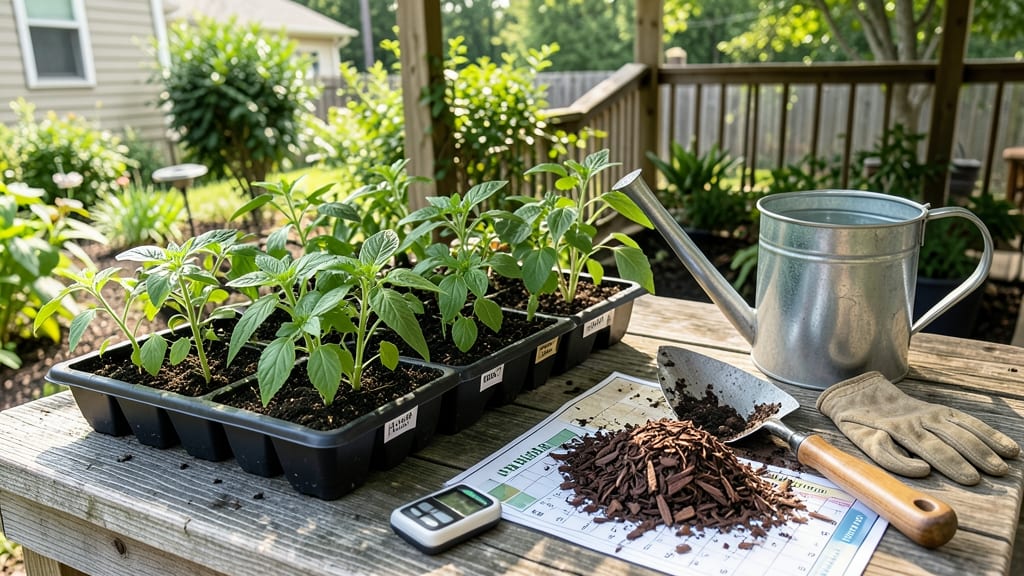
Planting a garden in Alabama at the right time means the difference between a bountiful harvest and a wasted season.
Alabama’s warm climate (Zone 8a) lets you grow year-round, but frost or heat can still ruin your hard work if you’re not careful. Too early, and you’ll lose plants to late frosts; too late, and your produce won’t reach its full potential.
Here’s the exact schedule for Alabama’s best planting windows—so you can grow faster, stronger, and more abundant crops without the guesswork.
We’ll cover cool-season crops (like lettuce and broccoli) that thrive in early spring, warm-season staples (tomatoes, peppers, and squash) that need heat, and even year-round options like herbs and greens.
Alabama Zone 8a planting calendar: month-by-month deadlines for vegetables, herbs, and flowers
Alabama’s Zone 8a climate lets you grow almost year-round, but knowing the exact planting deadlines is key to avoiding frost damage or stunted growth. The last frost date typically falls around mid-March, while the first frost arrives in mid-November.
This schedule balances Alabama’s humidity, heat, and shorter winter chill.
Cool-season crops like leafy greens and root vegetables thrive in Alabama’s mild winters, while warm-season favorites such as tomatoes and peppers need to wait until after the last frost. Below is your month-by-month guide to maximize your garden’s potential.
| Month | Cool-Season Crops | Warm-Season Crops | Year-Round Options | ||||||||||||||||||
|---|---|---|---|---|---|---|---|---|---|---|---|---|---|---|---|---|---|---|---|---|---|
| January | Spinach, Kale, Lettuce, Broccoli | N/A (Too cold) | Garlic, Onions, Parsley | ||||||||||||||||||
| February | Carrots, Radishes, Peas, Cabbage | N/A (Still chilly) | Cilantro, Dill, Chives | ||||||||||||||||||
| March | Potatoes, Beets, Swiss Chard | Start seeds indoors: Tomatoes, Peppers | Rosemary, Thyme, Oregano | ||||||||||||||||||
| April | Late plantings: Lettuce, Spinach | Transplant warm crops: Eggplant, Okra | Marigolds, Zinnias, Sunflowers | ||||||||||||||||||
| May | N/A (Too hot for cool crops) | Corn, Cucumbers, Basil, Squash | Basil, Cilantro (shade) | ||||||||||||||||||
| June | N/A (Peak heat) | Peppers, Tomatoes, Melons | Lantana, Lantana, Hibiscus | ||||||||||||||||||
| July | N/A (Extreme heat) | Sweet Potatoes, Okra | Coleus, Impatiens, Petunias | ||||||||||||||||||
| August | N/A (Still hot) | Start fall tomatoes, peppers | Marigolds, Snapdragons | ||||||||||||||||||
| September | Kale, Collards, Spinach | Green Beans, Carrots, Radishes | Pansies, Violas, Calendula | ||||||||||||||||||
| October | Broccoli, Cabbage, Lettuce | N/A (Cooling down) | Daffodils, Tulips (bulbs) | ||||||||||||||||||
How to adjust planting times for Alabama’s microclimates (coastal vs. northern regions)Alabama’s diverse microclimates create huge differences between northern counties like Huntsville and coastal areas near Mobile. While both regions fall under Zone 8a, their frost dates and growing seasons vary by 4-6 weeks. Understanding these differences lets you extend harvests and grow crops year-round with simple adjustments. In northern Alabama, the last frost typically hits around March 15, giving you a shorter window for cool-season crops like lettuce and broccoli. Meanwhile, Mobile’s coastal region often sees frost-free conditions until November 15, allowing for extended fall planting of heat-loving plants like tomatoes and peppers. These regional differences mean your planting schedule should shift based on location.
For northern Alabama, focus on early spring planting of cool-season crops like kale and carrots in February. Use row covers to protect tender plants from late frosts, which can still occur through March. In contrast, coastal gardeners can start warm-season crops like peppers and eggplants as early as March, thanks to milder winters. This extended season lets you harvest twice—once in spring and again in fall. If you live in Mobile or Baldwin County, take advantage of the longer frost-free period by planting fall crops like spinach and radishes in September. These can thrive through October and even November with minimal protection. For northern regions, prioritize succession planting of fast-growing crops like bush beans every 2-3 weeks to maximize your harvest before the first frost. To extend your growing season in both regions, invest in low-cost tools like row covers or cold frames. A simple hoop house made from PVC pipes and plastic sheeting can add 4-6 weeks to your harvest in northern Alabama. Meanwhile, coastal gardeners can use shade cloth during summer to protect heat-sensitive plants like lettuce from wilting. These small adjustments make a huge difference in your garden’s productivity. Remember, soil temperature matters just as much as air temperature. Use a soil thermometer to confirm when to plant warm-season crops—they need soil temps above 60°F to germinate properly. In northern Alabama, wait until mid-April for tomatoes, while coastal areas can plant as early as March 15. Paying attention to these details ensures your plants germinate quickly and grow stronger roots. By adjusting your planting schedule based on your local microclimate, you’ll enjoy longer harvests, healthier plants, and a garden that thrives year-round. Start with these regional guidelines, then fine-tune as you observe your own garden’s unique conditions. Happy planting! 🌱 |