
Planting
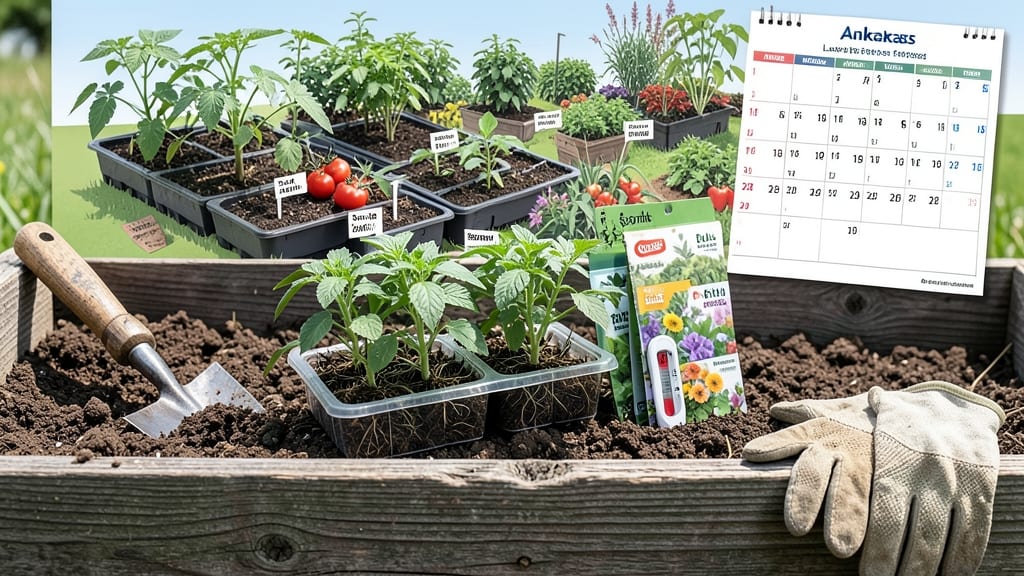
Planting a garden in Arkansas at the right time means the difference between fast, bountiful harvests and struggling with stunted plants or lost crops.
Arkansas gardeners in Zone 7b face a unique balance between long summers and unpredictable spring freezes—planting at the wrong time can mean lost crops or stunted growth.
Timing your 🌱 General Arkansas Garden correctly ensures faster yields, healthier plants, and fewer headaches when Mother Nature throws curveballs.
In this guide, I’ll break down the exact planting windows for spring and fall, including last frost dates, heat-sensitive crops, and how to work with Arkansas’s clay-heavy soil for maximum efficiency.
Arkansas Zone 7b planting deadlines by season: last frost dates and heat tolerance
Understanding Arkansas’s Zone 7b climate is key to avoiding common gardening mistakes like late frost damage or heat stress in sensitive plants. The last average frost date typically falls between March 15 and April 15, while the first frost usually arrives between October 15 and November 15.
These dates create a 200-240 day frost-free growing season, giving Arkansas gardeners plenty of time—but only if you plant at the right moment.
Cool-season crops like broccoli, lettuce, and peas thrive when planted 4-6 weeks before the last frost (around February 15). Warm-season crops such as tomatoes, peppers, and okra need to wait until two weeks after the last frost (typically April 30) to avoid chilling injury.
Arkansas’s humid summers also mean heat-sensitive plants like cucumbers and squash should be planted in early summer (June) to avoid wilting.
Here’s your Arkansas Zone 7b planting timeline broken down by season, including heat tolerance considerations and actionable deadlines to maximize your harvest:
| Season | Planting Window | Key Crops | Heat Tolerance | Action Deadline |
|---|---|---|---|---|
| Early Spring | February 15 - March 15 | Peas, Spinach, Lettuce, Kale | Cold-hardy | 4 weeks before last frost |
| Late Spring | March 30 - April 30 | Broccoli, Cabbage, Carrots, Onions | Moderate | After last frost (April 15) |
| Early Summer | May 1 - June 15 | Tomatoes, Peppers, Eggplant, Okra | High | 2 weeks after last frost |
| Late Summer | July 1 - August 15 | Sweet Potatoes, Southern Peas, Cucumbers | Very High | Before August heat peaks |
| Fall | August 15 - September 30 | Collards, Turnips, Radishes, Kale | Cold-tolerant | 6-8 weeks before first frost |
For heat-loving crops like okra, sweet potatoes, and peppers, Arkansas’s long summers mean you can plant them as early as April 30 and still enjoy a harvest through October. However, heat-sensitive greens like spinach and lettuce should be planted in early spring or late summer to avoid bolting.
My personal rule is to always have succession plantings of heat-tolerant crops like bush beans and cucumbers every 2-3 weeks after the last frost to extend harvests.
Arkansas’s clay-heavy soils can also delay warming in spring, so I recommend using black plastic mulch or straw mulch to raise soil temperatures for warm-season crops. This trick is especially useful in northern Arkansas, where frosts linger longer.
Always check the Arkansas Cooperative Extension Service for localized frost alerts, as microclimates in cities like Little Rock or Fayetteville can vary by 1-2 weeks from rural areas.
If you’re planting perennials or shrubs, aim for early spring (March-April) or fall (September-October) to give roots time to establish before extreme heat or cold. For example, azaleas and hydrangeas thrive when planted in fall because cooler temperatures reduce transplant shock.
Even annual flowers like marigolds and zinnias can be direct-sown after the last frost, but heat-tolerant varieties like Mexican sunflowers will outperform in Arkansas’s summer.
Pro tip: Use row covers for early spring plantings to protect tender seedlings from late frosts. I’ve saved entire broccoli and cabbage crops by covering them with frost cloth when temperatures dip below 28°F.
For warm-season crops, focus on drip irrigation to prevent leaf scorch during Arkansas’s humid afternoons. Always water in the early morning to let foliage dry before evening humidity sets in.
Remember, Arkansas’s Zone 7b climate rewards gardeners who plan ahead. Start cool-season crops indoors
Best crops to plant in Arkansas by month: month-by-month planting schedule for Zone 7b
Arkansas’s Zone 7b climate gives gardeners a long growing season but demands precision timing to avoid spring freezes or summer heat stress. The key is planting cool-season crops early and heat-loving crops after Memorial Day.
My experience shows that Arkansas’s clay-heavy soil benefits from pre-planting amendments like compost or sand to improve drainage.
For vegetables, focus on sweet potatoes, okra, and collard greens—these thrive in Arkansas’s humidity. Herbs like basil and flowers such as zinnias also perform well when planted at the right time.
I’ve learned that succession planting every 2-3 weeks keeps harvests coming, especially for leafy greens and beans.
- 1. February-March: Start cool-season crops indoors or under row covers. Plant onions, spinach, and peas as soon as soil is workable. Arkansas’s last frost typically hits March 15, so have hardy transplants ready.
- 2. April: After last frost, plant broccoli, cabbage, and carrots. Direct-sow beans and squash after soil reaches 60°F. Use black plastic mulch to warm soil faster in cooler microclimates.
- 3. May-June: Plant tomatoes, peppers, and okra after Memorial Day (around May 30). Arkansas’s humidity favors vining crops like sweet potatoes—plant slips in late May for a summer harvest.
- 4. July-August: Sow fall greens like kale and collard greens in late July for a harvest before first frost (typically November 15). Succession plant radishes and turnips every 2 weeks.
- 5. September: Plant garlic for next year’s harvest and cover crops like clover to improve soil. Direct-sow spinach and lettuce for a cool fall harvest.
Arkansas’s clay soil can be tricky, so I always amend beds with organic matter before planting. For companion planting, pair basil with tomatoes to repel pests and marigolds with okra to deter nematodes. Mulching with straw or leaves helps retain moisture during Arkansas’s hot, dry spells.
Don’t forget herbs like cilantro and dill—they thrive in Arkansas’s climate when planted in early spring or fall. I’ve found that container gardening works well for heat-sensitive herbs like parsley, giving you control over soil temperature. Water deeply in the morning to avoid fungal issues from humidity.
For flowers, zinnias and sunflowers are Arkansas favorites—plant seeds directly after last frost for vibrant blooms. Deadhead spent blooms to encourage more flowers, and stake tall varieties before storms. Arkansas’s summer rains can be heavy, so ensure good drainage to prevent root rot.
By following this schedule, you’ll maximize your Arkansas garden’s potential and enjoy fresh produce from spring through fall. Happy gardening! 🌱