
Planting
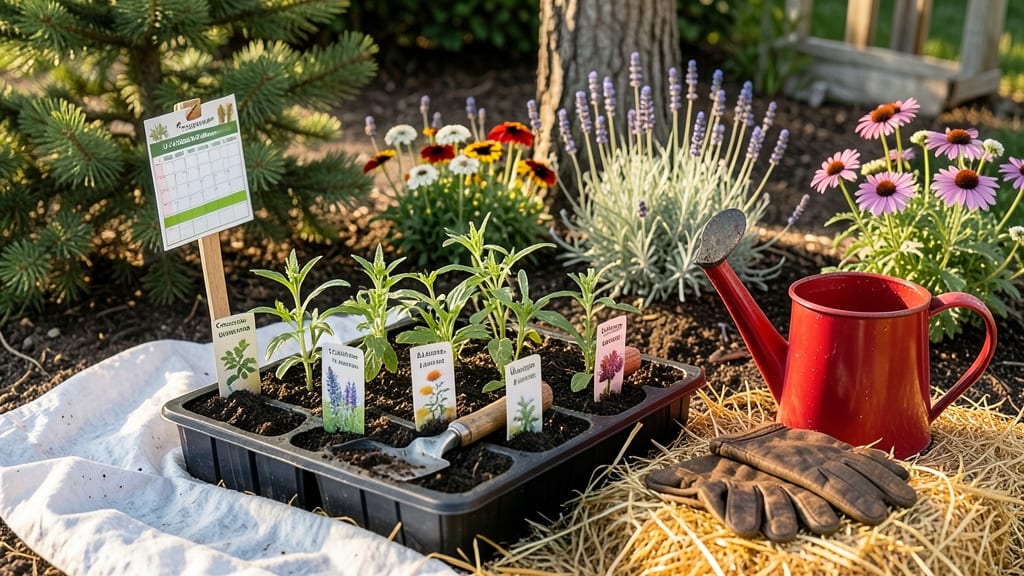
Planting your garden in Colorado at the right time means the difference between a bountiful harvest and a season of frustration—especially when frost can strike as late as May 15 in some zones.
Colorado’s high-altitude climate and unpredictable frost dates can turn gardening into a guessing game—unless you know the exact frost-free windows for your zone. Planting at the wrong time means stunted growth, wasted seeds, or even total crop failure.
From the Front Range’s Zone 5b to the Western Slope’s Zone 6b, timing varies by 100+ days between early starts and late finishes. I’ll break down the ideal planting windows for spring and fall, plus how to adjust for microclimates like Denver’s urban heat islands or high-altitude valleys.
You’ll learn when to sow seeds, when to transplant seedlings, and which crops thrive in Colorado’s 100–160 frost-free days. No more guessing—just a foolproof schedule tailored to your elevation and last frost date.
Colorado frost-free dates by USDA Zone: your planting timeline
Colorado’s diverse USDA zones 4–8 create wildly different planting windows—from high-altitude Denver (Zone 5b) to warmer Colorado Springs (Zone 6a). Knowing your last frost date is critical: plant too early, and frost will kill tender seedlings; too late, and your tomatoes and peppers won’t mature before fall.
Let’s break down the average frost-free windows for each zone, plus microclimate tweaks to protect your garden.
Most Colorado gardeners rely on spring’s last frost (typically April 15–May 15) and fall’s first frost (usually September 15–October 15). However, elevation changes everything: a Denver backyard at 5,280 ft can be 10°F colder than a Grand Junction garden at 4,500 ft.
Use these guidelines as a starting point, then adjust based on your local microclimate—like a south-facing slope that warms up faster.
Here’s your zone-by-zone planting timeline, including cold-hardy crops (like kale and peas) that can handle early starts, versus heat-loving plants (such as tomatoes and basil) that need warmer soil. Pro tip: Soil temperature matters more than air temperature—wait until it hits 50°F (10°C) for most veggies.