Planting
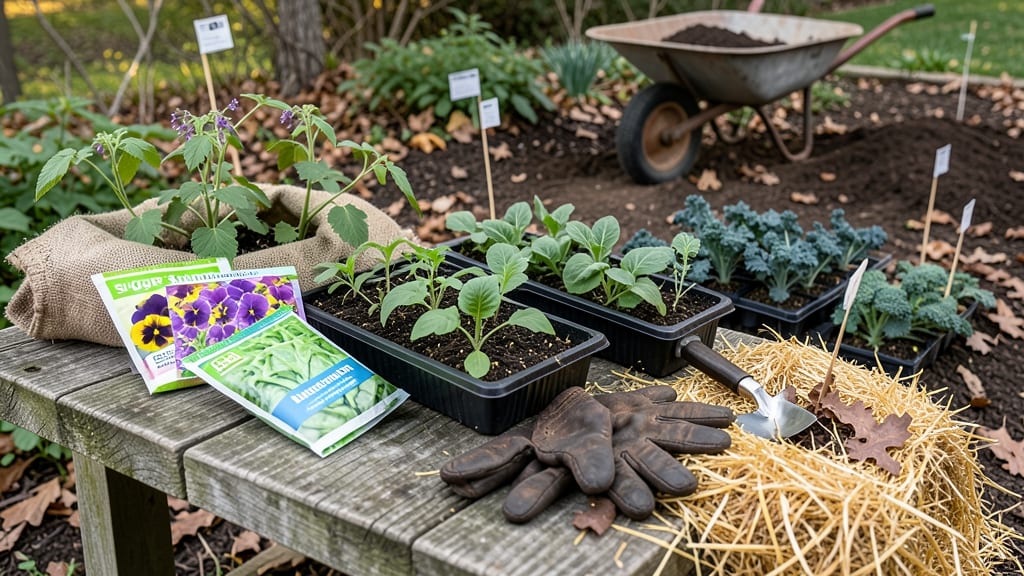
Planting your garden in Connecticut at the right time means catching that narrow window between last frost and summer heat — a 4-6 week stretch where everything aligns for success.
Connecticut gardeners know timing is everything—plant too early and frost will wipe out your seedlings, but wait too long and you’ll miss peak harvests. The key is knowing your USDA Zone 5b-6a and local frost dates, whether you’re in Hartford, the coast, or western hills.
This guide breaks down exactly when to start seeds indoors, when to direct-sow outdoors, and how to adjust for microclimates that can add or subtract 2-3 weeks from your growing season.
You’ll walk away with a spring planting checklist, pro tips to extend your season, and the confidence to plant your garden when it’s truly safe—no more guessing, no more wasted effort.
Connecticut’s frost dates & ideal planting windows by region
Connecticut’s diverse geography means frost dates vary dramatically—from Hartford’s inland chill to coastal areas’ delayed warming. Understanding these differences helps you time plantings for maximum success.
The state spans USDA Zones 5b-6a, with last spring frost dates ranging from mid-April in coastal Groton to late May in western Litchfield. First fall frosts arrive earlier inland, too.
For vegetables, this translates to a 60- to 90-day growing window for warm-season crops like tomatoes and peppers. Flowers and perennials have broader flexibility, but early spring bloomers (like tulips) need to be planted in fall to beat frost.
Let’s break down the key regions and their unique planting windows.
🌱 Key Takeaway: Coastal CT (Zone 6a) warms 2-3 weeks earlier than western CT (Zone 5b). Adjust your schedule accordingly to avoid frost damage or missed harvests.
| Region | Avg. Last Spring Frost | USDA Zone | Warm-Season Planting Window | Cold-Hardy Crops (Direct Sow) | Fall Planting Deadline |
|---|---|---|---|---|---|
| Coastal (New London, Groton) | Mid-April | Zone 6a | Late April–Early June | Peas, spinach (March 15) | Late September |
| Hartford/Southern CT | Early May | Zone 6a | Early May–Mid-June | Lettuce, kale (April 1) | Mid-October |
| Western CT (Litchfield, Torrington) | Late May | Zone 5b | Late May–Early July | Radishes, carrots (April 15) | Early October |
🌡️ Note: Soil temperature should reach 50°F+ for warm-season crops like tomatoes and peppers.
In coastal Connecticut, you can start warm-season crops like tomatoes and peppers as early as late April, thanks to the moderating ocean influence. However, western CT gardeners should wait until mid-to-late May to avoid frost damage.
For cold-hardy vegetables (spinach, peas, lettuce), coastal areas can plant 2-3 weeks earlier than inland regions.
Perennials like daylilies and coneflowers thrive when planted in spring or fall, but spring planting gives roots time to establish before summer heat. Bulbs (tulips, daffodils) should be planted in fall—ideally by mid-October—to ensure they bloom next spring.
Coastal areas have a slightly longer window for fall planting.
Use row covers or cold frames to extend your spring planting window by 2-3 weeks in colder regions. These tools create a microclimate that protects tender seedlings from late frosts.
For example, tomato seedlings can be planted under row covers in early May in western CT, even if the last frost isn’t until late May.
💡 Pro Tip: Monitor the Connecticut Agricultural Experiment Station’s frost forecasts for real-time updates. Their data is tailored to local microclimates and helps refine your planting schedule.
For fall planting, aim to get cool-season crops (kale, broccoli, carrots) in the ground 6-8 weeks before your region’s first frost.
In coastal CT, this means mid-September plantings, while western CT gardeners should start by early September. Perennials planted in fall have time to develop strong root systems before winter dormancy.
Adjust your succession planting based on your region. Coastal gardeners can squeeze in 2-3 harvests of bush beans by planting every 2 weeks from May to July. Inland gardeners may only get 1-2 harvests due to the shorter growing season. Plan accordingly to maximize yields.
Finally, soil temperature is just as critical as air temperature. Use a soil thermometer to confirm that warm-season crops like cucumbers and squash can be planted when soil reaches 60°F+. Coastal soils warm 1-2 weeks earlier than inland soils, giving you an edge for early plantings.
By aligning your planting schedule with your specific region’s frost dates, you’ll avoid the heartbreak of frost-nipped seedlings and enjoy a longer, more productive growing season.
Spring planting checklist: when to start seeds indoors vs. direct-sow outdoors
Timing your spring planting in Connecticut can feel like solving a puzzle—especially when balancing indoor seed starts with direct-sowing hardy crops. The key is understanding your plants' soil temperature needs and frost sensitivity.
For example, tomatoes and peppers need a long indoor head start, while spinach and peas can handle early outdoor planting. Let's break down the exact windows to avoid stunted growth or frost damage.
Start by checking your last frost date—typically May 15 in most of CT, but earlier in coastal areas. Use this as your anchor: 6-8 weeks before the last frost is the ideal time to begin indoor seed starting for warm-season crops.
For direct-sowing outdoors, wait until soil temperatures consistently reach 50°F for cool crops and 60°F+ for warm crops. This prevents shock and ensures strong root development.
Soil temperature is your best friend in Connecticut's unpredictable spring. Use a soil thermometer to verify conditions—40°F is perfect for peas and lettuce, while tomatoes and cucumbers need 65°F+. If your soil is too cold, your plants will struggle to absorb nutrients, leading to yellowing leaves and poor growth. Pro tip: Use black plastic mulch to warm soil faster in cooler microclimates.
| Plant Type | Indoor Start Time | Direct Sow Time | Soil Temp Threshold | Notes |
|---|---|---|---|---|
| Tomatoes | 6-8 weeks before last frost | After last frost, soil 65°F+ | 60-70°F | Use grow lights; transplant after true leaves form |
| Peppers | 8-10 weeks before last frost | After last frost, soil 70°F+ | 70-80°F | Slow growers; keep warm indoors |
| Spinach | Direct sow only | 4-6 weeks before last frost | 40-50°F | Bolt-resistant varieties for summer |
| Peas | Direct sow only | 2-3 weeks before last frost | 45-55°F | Plant trellis early for support |
| Lettuce | Indoor or direct sow | 3-4 weeks before last frost | 45-60°F | Successive plantings for continuous harvest |
For indoor seed starting, use grow lights or a sunny windowsill—tomatoes and peppers need 14-16 hours of light daily to prevent leggy seedlings. Harden off seedlings 7-10 days before transplanting by gradually exposing them to outdoor conditions.
This toughens their stems and reduces transplant shock. In CT, aim to transplant tomatoes and peppers 2-3 weeks after your last frost date for optimal growth.
When direct-sowing outdoors, focus on cool-season crops first. Peas and spinach can handle light frosts and even thrive in cooler soil. Once soil warms to 60°F+, switch to warm-season crops like beans and squash. Always sow seeds 1/2 inch deep and keep soil moist