
Planting
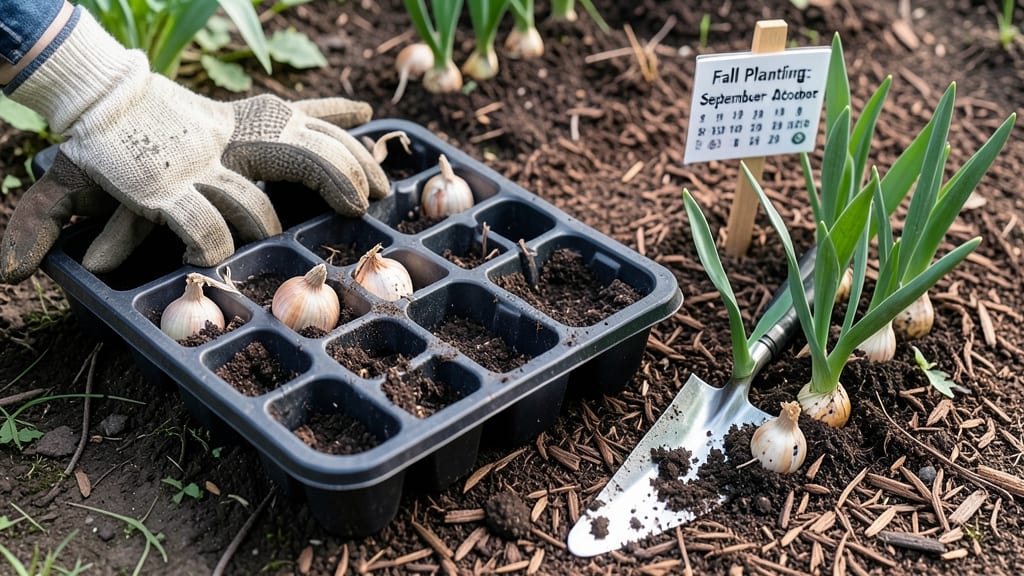
Planting your garden in Nebraska at the right time means the difference between lush harvests and wasted effort.
Nebraska’s unpredictable frost dates can turn a thriving garden into a frozen disappointment—or transform your harvest into a bountiful success. Timing your planting just right means the difference between wilting seedlings and flourishing crops, but without a clear guide, even experienced gardeners can guess wrong.
Cool-season crops like spinach and peas need to go in the ground early, while tomatoes and peppers demand warmer soil. The key is knowing your county’s average last frost date—whether you’re in the Panhandle or the eastern plains—and adjusting for microclimates that can shift timing by weeks.
Below, I’ll break down the exact planting windows for Nebraska’s USDA Zones 4b-6a, plus tips for extending seasons with row covers and soil warming tricks. No more guesswork—just a risk-free plan for your garden’s best start.
Nebraska’s frost dates by county: when to plant cool vs warm-season crops
Nebraska’s USDA Hardiness Zones 4b-6a create a unique challenge for gardeners, with last frost dates varying by 100+ days across counties. Eastern Nebraska’s Panhandle region (Zone 6a) enjoys earlier springs than western High Plains (Zone 4b), where late frosts linger until May 20.
Understanding these patterns lets you time plantings perfectly for both cool-season crops (like spinach) and warm-season favorites (tomatoes).
Cool-season crops thrive when soil temps hit 40°F, while warm-season plants need 60°F+ soil and consistent warmth. Nebraska’s average frost-free period ranges from 120 days in the Panhandle to 180 days in the southeast.
This means early April plantings in Sarpy County could face frost risks, while June 15 is safe for tomatoes in Dodge County. Let’s break down the county-by-county guide to avoid frozen seedlings or bolted greens.
Pro Tip: Use row covers or cold frames to extend your cool-season window by 2-3 weeks in high-risk areas. For warm-season crops, soil thermometers are your best friend—wait until 60°F+ before planting peppers or eggplants, which are heat-sensitive.
In Southeast Nebraska (like Sarpy or Cass Counties), you can start cool-season crops indoors in February and transplant hardy greens by March 15. Meanwhile, western counties like Chase or Deuel should wait until after May 15 for warm-season plants to avoid late frosts.
For herbs like basil, wait until soil temps hit 65°F—usually late May to early June—or risk wilting.
My go-to strategy is planting cool-season crops in
How to adjust planting times for Nebraska’s unpredictable weather patterns
Nebraska’s variable frost dates and sudden temperature swings can leave gardeners scrambling. Even if you’ve planted on time, a late frost or early heatwave can derail your entire season.
The key to success? Flexibility. By using season-extending tools and backup planting strategies, you can turn Nebraska’s unpredictable weather into an advantage for your garden.
Start by monitoring 10-day forecasts from the National Weather Service or local agricultural extensions. Look for trends like soil temperature (not air temperature) and the probability of frost. For example, if forecasts show a 50% chance of frost after your planned planting date, delay by at least a week.
Warm-season crops like tomatoes and peppers need soil temps of 60°F+ to thrive, so use a soil thermometer to confirm readiness.
⚠️ WARNING: Late Frost Risks ⚠️ When adjusting planting times in Nebraska, never rely solely on calendar dates. A late frost can strike as late as May 15 in some counties, while early heatwaves may arrive by June 1.
Use these backup strategies to protect your plants: - Row covers (floating fabric) can add 2-4°F protection and extend the growing season by 3-4 weeks. - Cold frames (low tunnels) create a microclimate that can keep soil 10-15°F warmer than ambient temps. - Black plastic mulch warms soil 5-8°F faster than bare earth, ideal for warm-season crops. - Hardening off seedlings 7-10 days before transplanting helps them withstand temperature fluctuations.
For warm-season crops, consider succession planting in late July or early August. Choose fast-maturing varieties like bush beans (50-60 days) or radishes (25-30 days) to harvest before the first frost.
If you’re planting cool-season crops like spinach or kale in early spring, use seedling trays under row covers to get a head start. Once soil temps rise above 40°F, transplant outdoors with protection.
Don’t overlook windbreaks—Nebraska’s prevailing winds can dry out seedlings and delay growth. Install temporary burlap screens or plant wind-resistant perennials (like sunflowers) as natural barriers.
Pair this with drip irrigation to maintain consistent moisture during dry spells. Even a 1-inch water deficit can stress young plants and stunt growth.
When in doubt, use the "5-4-3 Rule" for backup planting dates:
- 5 weeks before the average last frost: Plant cool-season crops (e.g., peas, lettuce).
- 4 weeks before: Start warm-season seeds indoors (e.g., tomatoes, peppers).
- 3 weeks before: Transplant hardened-off seedlings outdoors with row covers.
By combining weather monitoring, season-extending tools, and flexible planting dates, you can outsmart Nebraska’s unpredictable climate and enjoy a longer, more productive garden. Remember: The best gardeners aren’t the ones who plant on schedule—they’re the ones who adapt. 🌱