Planting
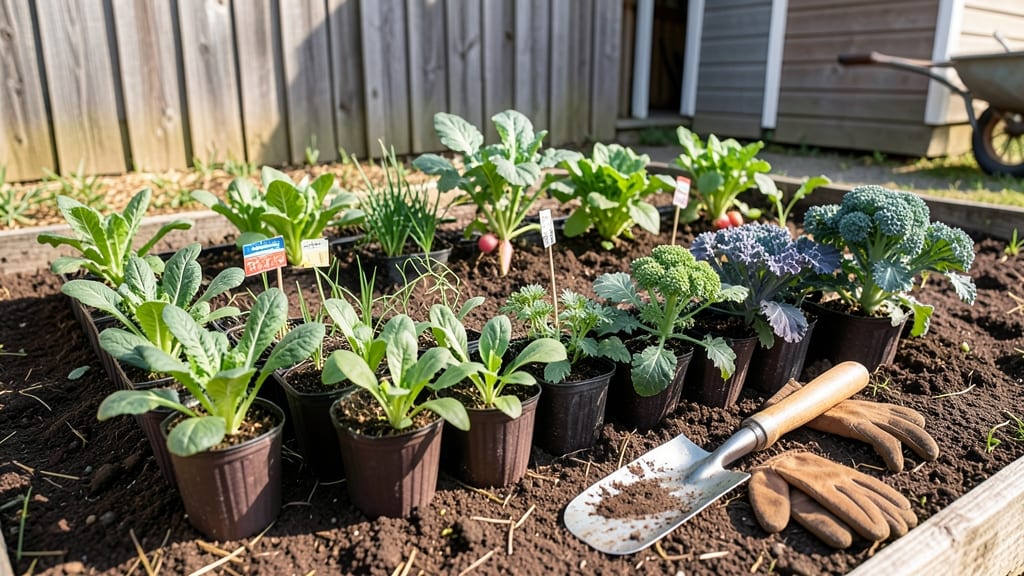
Planting a garden in Upstate New York means timing your 🌱 General Garden Plants right—between the last frost (mid-April) and the first heatwave, or risk losing your hard work to a surprise freeze.
Upstate New York’s chilly Zone 5b climate means timing your garden planting perfectly can mean the difference between a thriving harvest and a sad, frost-bitten failure. One week too early, and your peas turn to mush; one week too late, and your tomatoes never set fruit.
The key? Knowing exactly when to start seeds indoors, transplant seedlings, and sow directly into the soil.
This isn’t just about memorizing dates—it’s about reading your microclimate. A valley might still be icy when a hillside is ready to plant, and a lake effect can push back frost dates by 10 days or more.
Below, I’ll break down the frost-free timeline for Zone 5b, the best crops for each window, and how to stretch your season with row covers or cold frames.
You’ll walk away with a month-by-month planting checklist, critical mistakes to avoid (like planting lettuce in March), and tips to keep your garden productive from spring spinach to fall garlic. Let’s get those seeds in the ground the right way.
Upstate NY frost dates by month: when to plant cool vs warm-season crops in Zone 5b
Upstate New York’s Zone 5b climate demands precision when planting your garden. The average last frost date falls between April 20 and May 10, but this can shift 2-3 weeks earlier or later depending on your microclimate.
Lakeside areas tend to warm faster, while valleys hold frost longer—so always check your local Almanac frost forecast before planting.
Cool-season crops like spinach and peas thrive when planted 4-6 weeks before your last frost date, while warm-season favorites such as tomatoes and peppers need to wait until 2-3 weeks after the frost danger has passed. Getting this timing right ensures your garden avoids frost damage or stunted growth.
Here’s a quick comparison to help you plan:
For cool-season crops, I recommend starting seeds indoors in late February for a head start. Harden off seedlings by mid-April and transplant them outdoors once nighttime temperatures stay above 40°F. Spinach and peas are especially forgiving and can handle light frosts, making them ideal for early planting.
Warm-season crops, however, are far more sensitive. Tomatoes and peppers need consistent warmth—plant them too early, and they’ll sulk in the cold soil. Use black plastic mulch to warm the soil faster if you’re eager to get them in the ground.
I’ve even seen gardeners use clear plastic bottles as mini greenhouses for seedlings to jumpstart growth.
Don’t forget about fall planting! Upstate NY’s first frost typically arrives around October 15–20, leaving room for a second harvest of cool-season crops. Sow kale, garlic, and carrots in late summer for a late-fall treat. Just time it so they mature before winter sets in.
If you’re near a lake or river, you’ll notice warmer microclimates that allow for earlier planting. Conversely, valleys and low-lying areas can hold frost longer—so always scout your garden’s specific conditions. For extra protection, consider frost cloths or cold frames to extend your growing season by 2-4 weeks.
Pro tip: Keep a garden journal to track your local frost dates and planting success. Over time, you’ll refine your schedule to match your unique microclimate. Happy planting! 🌱
5 Critical mistakes that ruin Upstate NY planting timing (and how to avoid them)
Upstate New York’s Zone 5b climate throws curveballs with unpredictable frost dates and short growing seasons. One wrong move—like planting lettuce in March—can turn your dream garden into a sad, frost-kissed memory. I’ve seen it happen too many times, and I’m here to help you avoid these common pitfalls.
Even experienced gardeners fall into these traps, but the good news is they’re all avoidable with the right knowledge. Whether you’re a first-time planter or a seasoned pro, understanding soil temperature, frost forecasts, and plant hardiness zones will save your garden.
Let’s dive into the top mistakes and how to fix them before your seeds hit the dirt.
March plantings (like spinach or peas) often fail when late frosts hit. Wait until 4-6 weeks before your average last frost date (typically April 20–May 10 in Upstate NY). Use row covers or cold frames to extend your season safely.
Ignoring soil temperature is another silent killer. Many seeds need soil to be at least 40°F (4°C) to germinate. Cold soil can leave you staring at empty rows for weeks.
I always check with a soil thermometer—it’s a game-changer for warm-season crops like tomatoes and peppers, which need 60°F+ (15°C+) soil.
Misreading frost forecasts is a close third. Just because the calendar says May 1 doesn’t mean it’s safe to plant tomatoes outdoors. Always check the 10-day forecast and local microclimates (valleys freeze faster than hills).
I keep a frost-free date tracker from the National Weather Service to stay ahead of surprises.
Skipping seed starting indoors wastes precious time. For slow-growing plants like broccoli or cabbage, I start seeds 6–8 weeks before the last frost under grow lights.
This gives them a head start and ensures they’re ready to transplant when the soil warms. Pro tip: Use biodegradable pots to avoid root disturbance.
Overlooking succession planting leads to feast-or-famine harvests. Instead of planting all your beans or carrots at once, stagger them every 2 weeks for continuous yields. I mark my calendar with reminders—this simple trick keeps my garden productive all season long.
Finally, not hardening off seedlings before transplanting shocks young plants. Gradually expose them to outdoor conditions over 7–10 days to toughen them up. I start with 2 hours of shade and slowly increase exposure. This small step prevents transplant shock and gives your garden a stronger start.