Planting
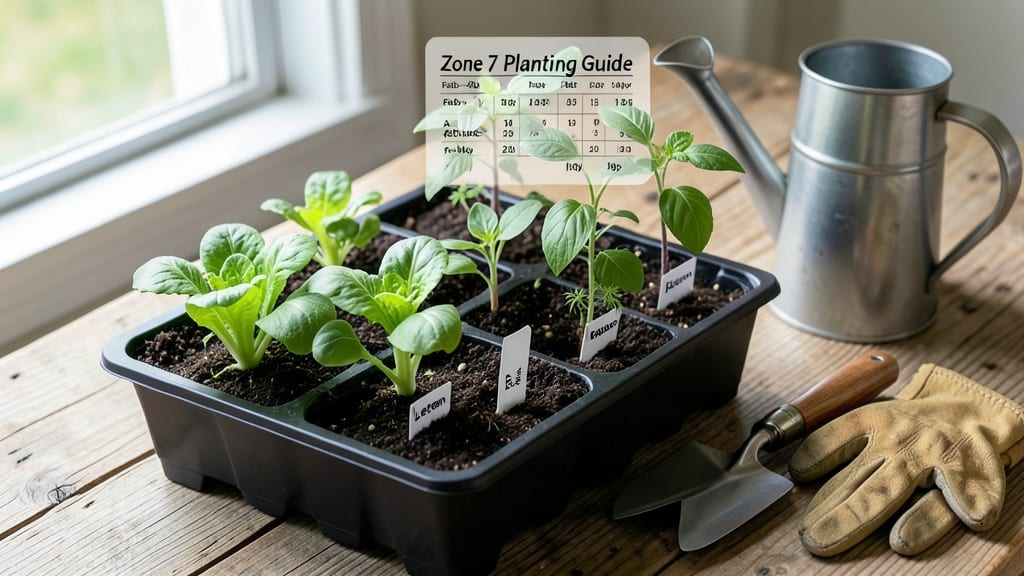
Planting your garden in Zone 7 at the right time means the difference between a bountiful harvest and wasted effort — and the exact dates are easier to nail down than you think.
Zone 7 gardeners know timing is everything: plant too early and frost will strike, too late and your harvest suffers. But with the right schedule, you can maximize yields and avoid common mistakes that waste time and resources.
This isn’t just about memorizing frost dates—it’s about matching your plants to the soil’s readiness. Cool-season crops like lettuce and peas thrive when temperatures hover around 50°F, while tomatoes and peppers need soil that’s warmed to at least 60°F to take off.
Below, I’ll break down the precise windows for everything from early spring greens to late-summer blooms, plus how to adjust for your specific microclimate. No more guessing—just a foolproof plan for a garden that delivers.
Zone 7 planting calendar: exact dates by last frost date & crop type
Zone 7 spans from the Piedmont region to the Coastal Plain, where last frost dates can vary by 2-3 weeks.
In the Piedmont (e.g., Raleigh, NC), the average last frost date is around March 15-30, while Coastal areas (e.g., Charleston, SC) may see frost-free conditions by February 20-March 10. Understanding these dates is critical for cool-season crops like lettuce and warm-season crops like tomatoes.
First frost typically arrives between November 15 (Coastal) and December 1 (Piedmont). This 100-120 frost-free days window shapes your planting schedule. For example, tomatoes need 80+ days to mature, so they must go in after the last frost. Meanwhile, spinach thrives in cooler temps and can handle light frosts.
Below is your Zone 7 planting calendar, broken down by crop type and regional adjustments. Use this as your guide to align plantings with soil temperatures, moisture levels, and local microclimates.
| Crop Type | Planting Window (Piedmont) | Planting Window (Coastal) | Soil Temp Requirement | Notes |
|---|---|---|---|---|
| Cool-Season Veggies | Feb 15 - Mar 30 | Feb 1 - Mar 20 | 40-50°F | Lettuce, spinach, peas, broccoli |
| Warm-Season Veggies | Apr 15 - May 15 | Mar 25 - Apr 30 | 60-70°F | Tomatoes, peppers, cucumbers |
| Herbs | Mar 1 - Apr 15 | Feb 15 - Mar 30 | 50-60°F | Basil, cilantro, parsley |
| Flowers | Mar 15 - Apr 30 | Feb 20 - Mar 25 | 55-65°F | Marigolds, zinnias, snapdragons |
| Fall Planting | Aug 1 - Sep 15 | Jul 15 - Aug 30 | 60-70°F | Kale, carrots, radishes |
For cool-season crops, start seeds indoors 6-8 weeks before your last frost date. For example, if your last frost is March 15, begin sowing lettuce indoors by January 20. This head start ensures they’re ready to transplant when soil warms.
Warm-season crops like tomatoes and peppers need to wait until soil temperatures hit 60°F+. In Piedmont, this is usually mid-April, while Coastal areas can plant 2-3 weeks earlier. Use a soil thermometer to confirm—cold soil stunts growth.
Herbs like basil and cilantro are versatile. Plant cilantro in early spring or fall for cool weather, while basil thrives in summer heat. If you love
How to adjust planting times for Zone 7 microclimates & soil conditions
Zone 7 gardeners face unique challenges with variable frost dates and microclimates that can shift planting windows by weeks. Even in the same region, a south-facing slope warms up faster than a shady valley, while soil temperature often dictates when to plant root crops like potatoes or carrots.
The key is flexibility—adjusting your schedule based on real-time conditions rather than relying solely on average frost dates.
Start by testing your soil temperature with a soil thermometer (available for under $10). Most cool-season crops like spinach and kale thrive when soil reaches 40°F, while warm-season plants such as tomatoes and peppers need 60°F+.
If your soil is cooler than expected, use black plastic mulch to warm it up faster—this can shave off 1-2 weeks of waiting time.
Another game-changer is season extension tools. A simple floating row cover can push early spring plantings back by 3-4 weeks, while a cold frame lets you start hardy greens like lettuce as early as February.
For late-season harvests, low tunnels extend fall growing by 6-8 weeks—perfect for broccoli and cabbage that might otherwise bolt in Zone 7's unpredictable fall weather.
⚠️ Watch Out for False Springs!
Zone 7's false springs (warm spells followed by frost) catch gardeners off guard. If you plant warm-season crops like tomatoes too early, a late frost can wipe out seedlings. Always check your local frost forecast and wait until after the average last frost date (typically April 15 in most of Zone 7). For extra protection, use row covers or plant in containers that can be moved indoors if needed.
Don’t overlook soil preparation—amending beds with compost or aged manure 4-6 weeks before planting improves drainage and warms soil faster. For heavy clay soils, mix in sand or peat moss to help roots establish sooner.
A quick soil test (available through local extension offices) ensures your beds are ready for planting, especially for acid-loving plants like blueberries or azaleas.
Create a planting checklist tailored to your microclimate. For example, if your garden sits in a low-lying area prone to frost pockets, delay warm-season crops by 2 weeks compared to sunnier spots.
Use succession planting to stagger lettuce or radishes every 2 weeks for continuous harvests, even if your season is short. This strategy also helps if your first frost arrives early.
Finally, keep a gardening journal to track when you plant and how your crops perform. Note which varieties thrive in your microclimate and adjust next year’s schedule accordingly. For instance, if zucchini bolts in July due to heat, try earlier-maturing varieties or plant in partial shade.
With these adjustments, you’ll turn Zone 7’s challenges into opportunities for a longer, more productive growing season.