
Plants
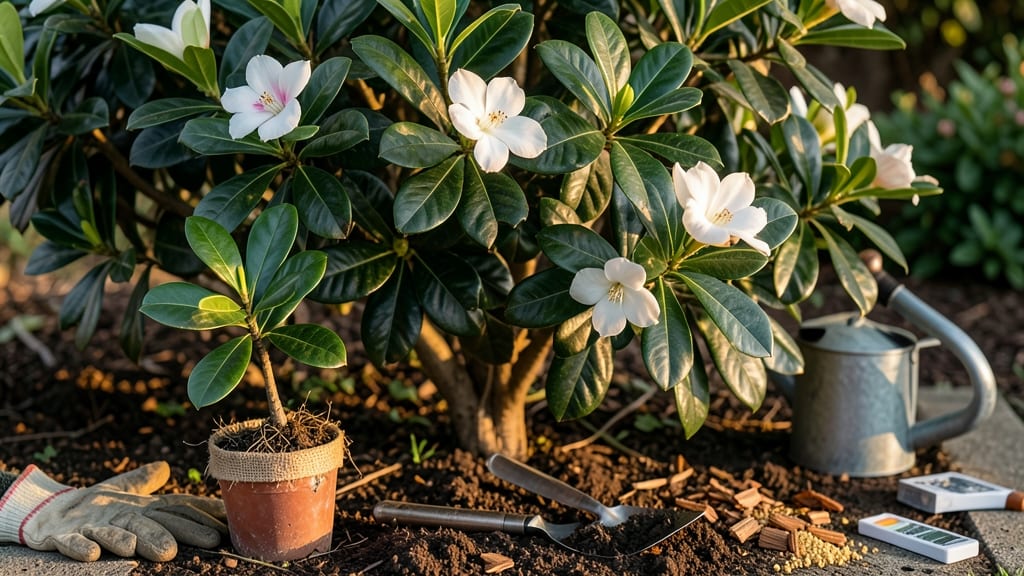
Plant gardenias in Georgia between mid-March and April after the last frost—this frost-free window is your best shot at thriving blooms 🌸.
Miss that timing, and you risk stunted growth or frost damage, even in USDA Zone 8A. The key is waiting until the soil warms and nighttime temperatures stay above 50°F consistently.
But here’s the trick: Georgia’s microclimates matter. Coastal areas can plant slightly earlier, while the Piedmont may need to wait until late April. I’ll break down the exact frost dates, soil prep secrets, and how to pick the right variety for your corner of the state.
Ready to grow gardenias that burst with fragrance? You’ll learn how to prep the soil, avoid common mistakes, and keep your plants happy year-round—no guesswork included.
Georgia’s ideal planting window for gardenias: frost-free dates & USDA zone 8A guidelines
Georgia’s USDA Zone 8A climate offers the perfect balance for growing gardenias, but timing is everything. These fragrant shrubs thrive when planted during the frost-free window, which in Georgia typically spans from mid-March to early November.
However, the ideal planting months are March–April or September–October, aligning with the natural growth cycles and avoiding frost damage.
Understanding your local microclimate is key—coastal areas like Savannah experience milder winters, while the Piedmont region (e.g., Athens or Macon) faces slightly earlier frost risks. For Zone 8A gardeners, this means adjusting your planting schedule by 1–2 weeks earlier in the Piedmont to beat potential late frosts.
Here’s a quick breakdown of the critical planting window and how Georgia’s climate zones influence your timing:
| Planting Window | USDA Zone 8A Frost Risk | Georgia Microclimate Adjustments | Best Planting Month |
|---|---|---|---|
| Spring Planting | Low (after March 15) | Piedmont: Wait until April 1 Coastal: March 20–April 15 |
March–April |
| Fall Planting | Moderate (before Nov 1) | Piedmont: September 15–October 15 Coastal: October 1–November 1 |
September–October |
| Avoid Planting | High (Nov–Feb) | Frost damage risk; dormancy period | None |
Spring planting in March–April gives gardenias 6–8 weeks to establish roots before Georgia’s summer heat peaks. This is especially critical for container-grown plants, which need time to adapt to outdoor conditions. If you opt for fall planting (September–October), choose a milder week to avoid stress from early cold snaps.
For Zone 8A gardeners, the last frost date (around March 15) is your cue to start preparing soil and potting mixes. However, don’t rush—planting too early (before March 20) risks exposing young roots to late frosts, which can stunt growth.
Use frost cloth if you’re eager to plant earlier, but remove it once daytime temperatures consistently stay above 50°F.
Georgia’s coastal regions, like Brunswick or Tybee Island, enjoy warmer microclimates with later frost dates, often extending the planting window into early May. In contrast, the Piedmont’s higher elevation (e.g., near Blue Ridge) may require planting by mid-April to avoid frost.
Always check your local frost maps or use the National Weather Service’s frost prediction tools for precision.
If you’re planting in September–October, aim for early September to allow roots to establish before winter. Gardenias planted in late October or later may struggle to harden off before the first frost, leading to winter dieback.
Mulch heavily with pine straw or wood chips to insulate roots and retain moisture during Georgia’s mild but unpredictable winters.
Pro tip: Container gardenias can be planted 2 weeks earlier than in-ground plants because their roots warm up faster in pots. Just ensure your containers have drainage holes and use a lightweight, acidic potting mix (pH 5.0–6.0) to mimic their natural tropical habitat.
Timing your gardenia planting right ensures vibrant blooms from summer through fall, with minimal stress on the plant. Whether you’re in savannah’s coastal charm or Athens’ Piedmont hills, these guidelines will help you avoid common pitfalls and enjoy fragrant, low-maintenance gardenias year after year.
5 Critical steps to prepare gardenias for Georgia’s soil & climate
Georgia’s clay-heavy soil and humid summers can make or break your gardenias if you don’t prepare properly. These acid-loving shrubs need specific care to thrive in our USDA Zone 8A climate.
I’ve planted gardenias across North and South Georgia and learned the hard way—skipping these steps means struggling with poor blooms or even plant death.
First, let’s tackle the soil pH. Gardenias crave acidic soil between 5.0 and 6.0. Georgia’s native soil often tests higher, around 6.5–7.5, which stresses these plants.
I’ll show you how to adjust it safely without burning delicate roots. Next, we’ll fix drainage issues—Georgia’s clay holds too much moisture, and gardenias hate soggy feet.
Use a soil pH test kit ($10 at garden centers). If your soil is above 6.0, amend with sulfur or peat moss (follow package rates). Re-test in 4–6 weeks.
Mix 50% native soil with 50% compost or pine bark fines in planting holes. For clay soil, add perlite or sand (20% of mix) to prevent compaction.
Apply 3–4 inches of pine straw or cypress mulch around plants (keep 2" away from stems). Replenish annually—this mimics their native forest floor and locks in moisture.
If planting in early spring (March), cover young plants with frost cloth for nights below 35°F. In North Georgia (Zone 7b), delay planting until mid-April to avoid frost damage.
Water morning-only (before 10 AM) to prevent fungal diseases. Use drip irrigation or soaker hoses to deliver 1–1.5 inches of water weekly. Avoid overhead sprinklers—Georgia’s humidity + wet leaves = powdery mildew.
Don’t overlook mulching—this is where many Georgia gardeners fail. I’ve seen gardenias wilt in August heat because the mulch was skipped. Use pine straw or cypress mulch (avoid cedar—it’s too acidic).
Spread it 3–4 inches thick and refresh it every spring. This mimics their natural habitat under forest canopies and keeps roots cool.
Finally, late-spring frosts can sneak up in North Georgia (Zone 7b) even after the official last frost date. If you plant in March, have frost cloth ready. I once lost a $40 gardenia because I ignored this—now I always keep a row cover on hand for March–April nights.
With these steps, your gardenias will bloom like crazy all summer long. The key is preparation—Georgia’s soil and climate are tough, but with the right prep, gardenias will reward you with fragrant, creamy-white blooms from June to September. 🌸