
Container Gardens
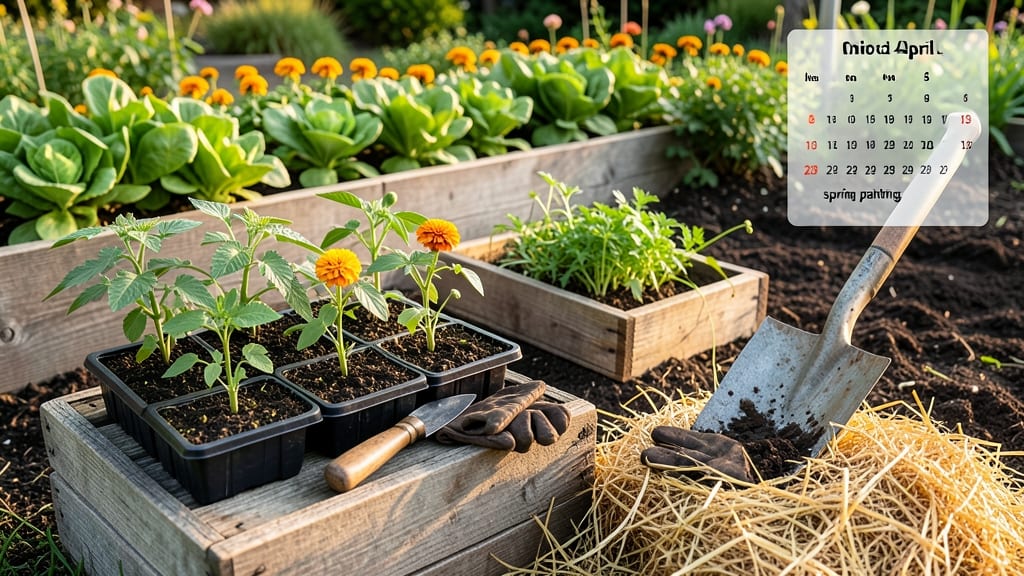
Planting gardens in Ohio means timing your 🌱 crops to avoid frost while catching the sweet spot before summer’s heat sets in.
Ohio gardeners know timing is everything—plant too early and frost will strike, too late and summer’s heat will stifle your crops. But with Ohio’s diverse microclimates and shifting last frost dates, figuring out the perfect planting window can feel like guessing.
The key is understanding your USDA Zone 6a-6b and when the last frost typically passes—usually mid-April—but knowing how to adjust for early freezes or late springs. Whether you’re sowing cool-season greens or warm-season tomatoes, getting this right means the difference between a thriving garden and a wasted season.
Here’s your step-by-step guide to planting gardens in Ohio, including month-by-month timing, frost-free strategies, and expert tips to stretch your growing season for maximum harvests.
Ohio last frost dates by Zone: exact planting windows for vegetables and flowers
Ohio spans USDA hardiness zones 5-9, creating wildly different planting windows across the state. In Zone 5 (northeast Ohio), the last frost typically arrives around April 20-25, while Zone 9 (southwest Ohio) can see frost-free soil as early as March 15.
These differences mean your neighbor’s perfect planting timing might destroy your crops—so knowing your exact zone is critical.
For cool-season crops like lettuce, spinach, and peas, I recommend planting 4-6 weeks before your last frost date. Warm-season plants—think tomatoes, peppers, and basil—need to wait until 2 weeks after the last frost to thrive.
Ohio’s first frost usually hits between October 10-20, depending on your zone, so plan your fall plantings accordingly.
Microclimates matter: Urban areas like Columbus (Zone 6) often warm up faster than rural zones, while valleys and low-lying areas can hold frost longer. Always check local records—Ohio State University Extension provides hyper-local frost data for your county.
Here’s how Ohio’s 6 zones break down for planting windows, with frost risks by month:
For Zone 5 gardeners, I’ve seen late frosts in May delay planting until early June—so have row covers ready. In Zone 9, you can even plant warm-season crops like cucumbers in late February under protection.
The key is matching your soil temperature to seed requirements: most warm-season crops need soil at 60°F+.
Pro tip: Use frost-sensitive plants like marigolds or nasturtiums as early warning systems. If they survive overnight, your tomatoes and peppers are likely safe to plant. For extra protection, try black plastic mulch to warm soil faster in cooler zones.
Ohio’s first frost arrives earliest in Zone 5 (October 10), giving you just 165 frost-free days for warm-season crops. In Zone 9, that extends to 21
How to adjust planting dates for Ohio’s unpredictable weather patterns
Ohio’s unpredictable weather can turn a perfect planting plan into a gamble—one day’s frost can wipe out tender seedlings, while sudden heatwaves stifle young plants. The key to success lies in flexible timing and smart adaptations.
Whether you’re dealing with a late spring freeze or an early summer heatwave, these strategies will help you extend your growing season and protect your garden investments.
Start by monitoring local frost dates, but don’t rely solely on averages. Use a frost-free date calculator from Ohio State University Extension or check your area’s microclimate trends. Urban areas, for example, often warm up faster than rural zones due to the "heat island" effect.
Adjust your planting dates by 1-2 weeks earlier or later based on recent patterns in your specific location.
🌱 Ohio Planting Adjustments: Quick Guide
- Cool-season crops: Plant 4-6 weeks before last frost (use row covers for extra protection).
- Warm-season crops: Wait until soil temps hit 60°F+ (use black plastic mulch to warm soil faster).
- Late springs? Start hardy varieties like kale, spinach, or peas indoors in March for early transplants.
- Early freezes? Use cold frames or hoop houses to extend harvests by 3-4 weeks.
⚠️ Pro Tip: Test soil temps with a soil thermometer—warm-season crops like tomatoes need 70°F+ soil to thrive.
For early freezes, invest in row covers or floating row covers to create a protective barrier. These lightweight fabrics raise temperatures by 5-10°F and shield plants from light frosts.
Pair them with sturdy hoops or a low tunnel for added durability. Even better, choose cold-hardy varieties like Broccoli ‘De Cicco’ or Lettuce ‘Winter Density’, which tolerate 20-25°F without damage.
When late springs delay planting, turn to container gardening or raised beds. These warm up faster than in-ground soil and give you control over the environment. Fill containers with heat-retaining materials like coconut coir or add bottom heat mats to jumpstart germination.
For warm-season crops, consider starter plants from nurseries—they’ll give you a 2-3 week head start over seeds.
Don’t underestimate the power of mulching to regulate soil temperatures. Apply a 2-3 inch layer of straw or wood chips around plants to insulate roots and retain moisture. In hot summers, mulch also blocks weeds and reduces soil evaporation, keeping roots cool.
For heat-loving crops like peppers or eggplants, use white mulch to reflect sunlight and lower soil temps by 5-10°F.
Finally, keep a garden journal to track your adjustments. Note the actual dates you planted, any weather anomalies, and how your crops performed. Over time, you’ll spot patterns—like your local frost date shifting earlier each year—and refine your strategy.
Share your insights with fellow Ohio gardeners to build a community-driven planting calendar tailored to your region.
With these adaptive strategies, you’ll turn Ohio’s unpredictable weather into an advantage. Your garden will thrive regardless of whether Mother Nature delivers an early spring or a late frost—because you’ll be ready for whatever comes next. 🌿